
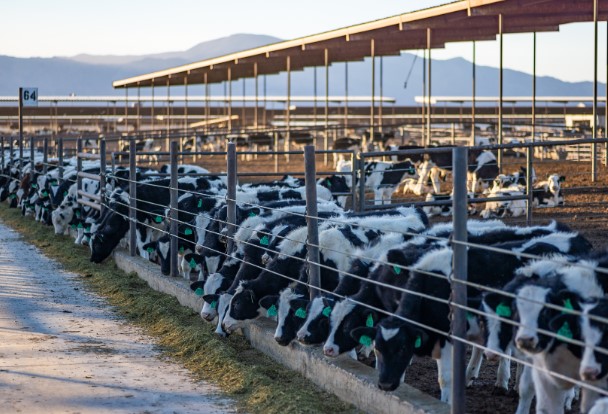
As the global demand for renewable energy grows, the agricultural sector is increasingly turning to sustainable solutions that not only produce clean power but also manage waste efficiently. Among these solutions, dairy manure digesters have emerged as a powerful tool for turning animal waste into a valuable source of biogas energy. These systems provide a dual benefit—reducing environmental impact and generating energy that can power farm operations or even be sold to the grid.
What Is a Dairy Manure Digester?
A dairy manure digester is a system that processes cow manure through anaerobic digestion—a natural biological process where microorganisms break down organic matter in the absence of oxygen. As the manure decomposes, it produces biogas, a mixture of methane (CH₄) and carbon dioxide (CO₂), which can be used as a renewable fuel for heating, electricity, or transportation. It is necessary to monitor the composition of biogas. For example, the OLGA2000 biogas online monitoring system uses advanced photoelectric sensing principles to detect methane (CH4), oxygen (O2), carbon dioxide (CO2), hydrogen sulfide (H2S), etc. It can be widely used in gas monitoring in landfill biogas power plants, petrochemical industry, coal mines and other scenarios, and can realize remote data transmission.
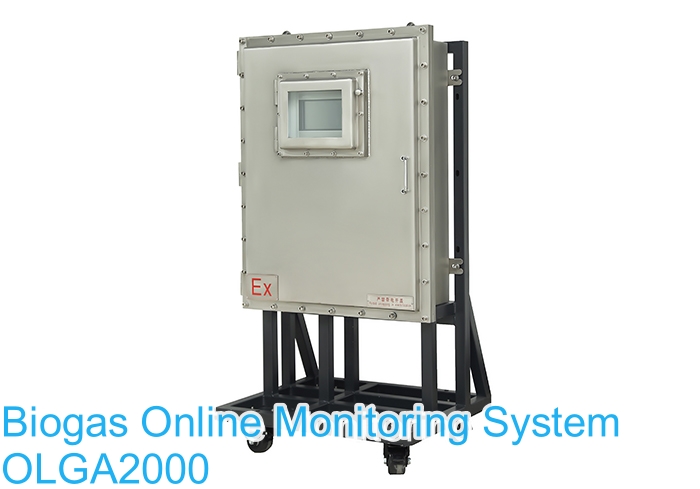
biogas online monitoring system OLGA2000
How It Works
1. Collection: Manure is collected from dairy barns, often mixed with water to make it pumpable.
2. Digestion: The slurry is fed into a sealed, oxygen-free digester tank. Inside, bacteria break down the organic material over a period of 20 to 30 days.
3. Biogas Capture: Methane-rich gas accumulates in the top of the digester and is collected for use as fuel.
4. Energy Generation: The gas can power a generator, be refined into renewable natural gas (RNG) for injection into pipelines, or be used directly for heating.
5. Fertilizer Production: The leftover digestate is separated into solid and liquid components for use as compost or liquid fertilizer.
Benefits of Dairy Manure Digesters
1. Renewable Energy Production
Digesters generate a consistent supply of biogas that can be used for on-farm energy needs such as powering lights, cooling milk, or heating buildings. Larger systems can export electricity or gas to the grid, creating an additional revenue stream.
2. Greenhouse Gas Reduction
Manure naturally emits methane—a potent greenhouse gas—when left untreated in lagoons or open fields. Digesters capture this methane, preventing it from entering the atmosphere and reducing the farm’s carbon footprint.
3. Odor and Pathogen Control
Anaerobic digestion reduces the odor and pathogens in manure, improving air quality for farmers and nearby communities.
4. Improved Nutrient Management
The digestate produced is easier to manage and apply to fields than raw manure. It provides nutrients in a more plant-available form, reducing the need for chemical fertilizers.
5. Water Protection
Proper manure management through digestion helps prevent runoff of nutrients like nitrogen and phosphorus into water bodies, improving watershed health.
Economic Considerations
Setting up a dairy manure digester requires significant upfront investment, which includes the cost of engineering, construction, and equipment. However, farmers can recover these costs through:
- Energy savings or sales
- Government grants and subsidies
- Carbon credits or renewable energy certificates
- Improved fertilizer efficiency
Over time, the digester can turn waste into a profitable asset, particularly on medium to large dairy farms with hundreds of cows or more.
Real-World Success Stories
In countries like the United States, Germany, and India, dairy farms have successfully implemented manure digester systems with support from government and private programs. In California, for example, digesters are part of the state’s effort to reduce short-lived climate pollutants and encourage clean transportation fuels.
Some farms are even participating in low-carbon fuel standards, where renewable natural gas produced from dairy manure is sold as vehicle fuel, providing long-term financial incentives.
Conclusion
Dairy manure digesters represent a smart, sustainable solution to two pressing issues in agriculture: waste management and energy production. By capturing methane and turning it into usable power, these systems help reduce emissions, improve farm efficiency, and support the transition to a low-carbon future. For dairy farmers looking to invest in resilience and sustainability, manure digesters are proving to be a clean, profitable, and forward-thinking choice.
 Manufacturer of biogas analyzer, landfill gas analyzer and extraction monitor, anaerobic digester gas analyzer