
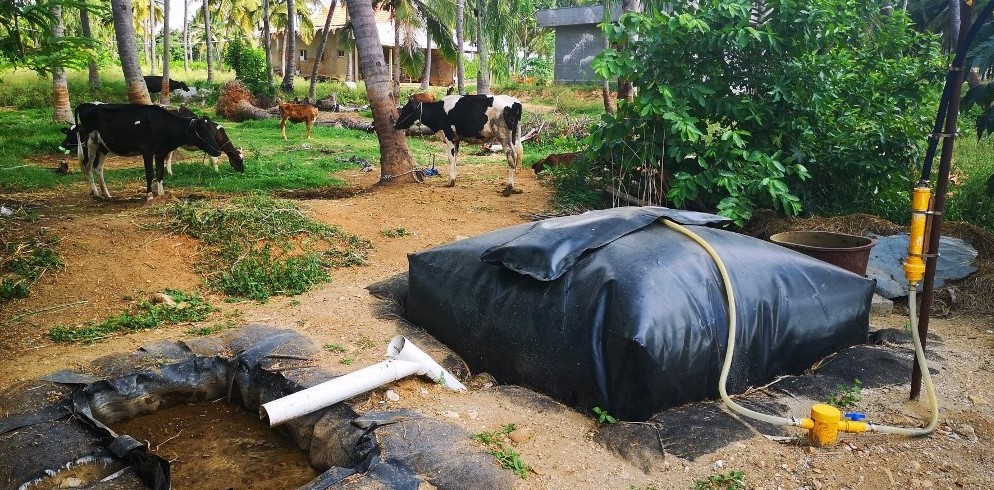
As the world seeks sustainable alternatives to fossil fuels, bio biogas is gaining recognition as a reliable, renewable energy source. Derived from the natural decomposition of organic matter, bio biogas offers an eco-friendly way to manage waste while producing clean energy for cooking, electricity, and heating. This dual benefit of waste reduction and energy production makes it particularly valuable in both urban and rural settings.
This article explores what bio biogas is, how it works, its applications, and why it is becoming a cornerstone of clean energy strategies worldwide.
What Is Bio Biogas?
Bio biogas is a type of biogas produced through the anaerobic digestion of organic materials such as kitchen scraps, animal manure, sewage, and agricultural waste. “Bio” refers to the biological origin of the feedstock, meaning it comes from living or recently living organisms.
When these organic materials are broken down by bacteria in an oxygen-free environment, they produce a mixture of gases—primarily methane (CH₄) and carbon dioxide (CO₂). This gas can then be captured and used as a clean source of fuel.
During the biogas production process, a biogas analyzer is needed to monitor the composition of the biogas. For example, the OLGA2000 biogas online monitoring system uses advanced photoelectric sensing principles to detect and analyze methane (CH4), oxygen (O2), carbon dioxide (CO2), hydrogen sulfide (H2S) and other gases.
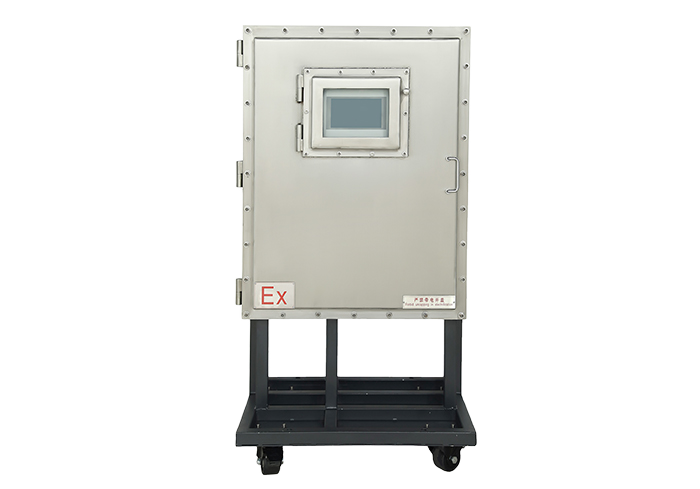
biogas online monitoring system OLGA2000
How Does Bio Biogas Work?
The production of bio biogas happens in a digester, a sealed tank that creates the perfect conditions for anaerobic bacteria to thrive. The process includes several stages:
1. Hydrolysis – Complex organic molecules such as carbohydrates, proteins, and fats are broken down into simpler compounds.
2. Acidogenesis – These compounds are converted into volatile fatty acids.
3. Acetogenesis – The fatty acids are further converted into acetic acid, carbon dioxide, and hydrogen.
4. Methanogenesis – Methanogenic bacteria convert these byproducts into methane-rich biogas.
This entire process mimics natural decomposition but under controlled conditions that maximize gas yield.
Applications of Bio Biogas
- Cooking and Heating: In households, bio biogas can replace firewood, LPG, and kerosene, providing a clean and smokeless fuel for daily use.
- Electricity Generation: When connected to a biogas generator, the gas can be used to produce electricity, especially valuable in off-grid areas.
- Agriculture: Farms can use bio biogas to power machinery, irrigate fields, and heat greenhouses.
- Waste Management: Cities and industries can integrate bio biogas systems into their waste treatment infrastructure to reduce landfill use and produce energy.
Additionally, the solid residue left after digestion, known as digestate, is rich in nutrients and can be used as organic fertilizer, promoting sustainable agriculture.
Environmental Benefits
Bio biogas is a key player in addressing environmental challenges:
- Reduces Greenhouse Gas Emissions: Capturing methane from waste prevents it from being released into the atmosphere, where it would contribute to global warming.
- Minimizes Pollution: Properly managing organic waste through biogas production prevents the contamination of soil and water resources.
- Promotes Circular Economy: Bio biogas turns waste into a resource, aligning with principles of sustainability and resource efficiency.
By converting organic waste into energy, it helps create closed-loop systems where nothing is wasted.
Economic Advantages
For communities and businesses, bio biogas can offer long-term economic savings:
- Lower Fuel Costs: Replacing conventional fuels with biogas reduces energy bills.
- Local Job Creation: Building, operating, and maintaining biogas plants generates employment opportunities.
- Energy Security: Producing fuel locally reduces dependence on imported energy sources, enhancing resilience.
Especially in agricultural regions, bio biogas provides a cost-effective way to manage waste while generating additional revenue streams.
Challenges and Considerations
- Initial Investment: The cost of setting up a bio biogas system can be high for households or small farmers, though subsidies and financing options can help.
- Technical Expertise: Proper operation and maintenance require basic technical knowledge.
- Feedstock Supply: A consistent supply of organic material is necessary for continuous gas production.
Overcoming these challenges requires education, supportive policies, and access to financial resources.
Conclusion
Bio biogas represents a powerful, natural solution to two pressing global issues: waste management and clean energy production. By harnessing the energy potential of organic waste, it offers a pathway toward a more sustainable, self-sufficient, and environmentally responsible future.
As technology advances and awareness grows, bio biogas will continue to play an essential role in the global transition to renewable energy.
 Manufacturer of biogas analyzer, landfill gas analyzer and extraction monitor, anaerobic digester gas analyzer