
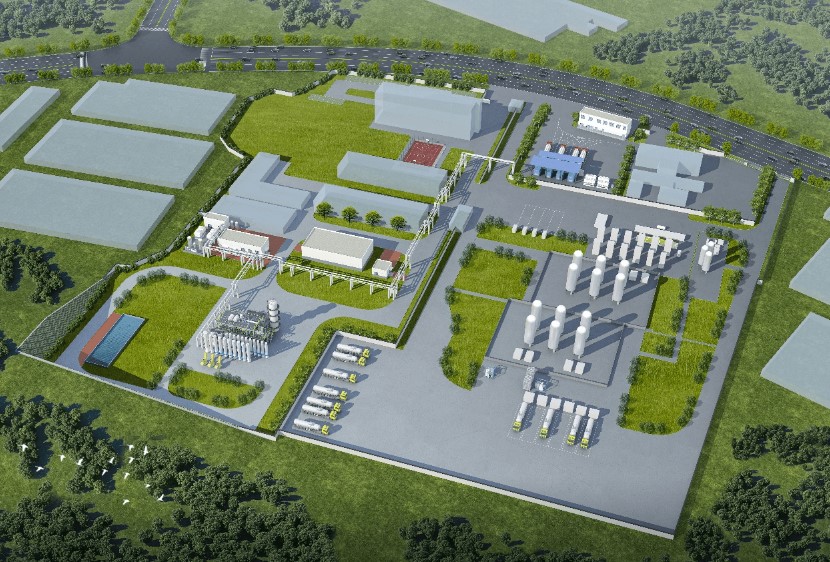
Hydrogen has gained global attention as a clean energy carrier capable of driving the next era of renewable energy. Traditionally, hydrogen production has relied heavily on fossil fuels through energy-intensive processes like steam methane reforming. However, with the urgent need to reduce carbon emissions and find sustainable fuel sources, biogas has emerged as a promising feedstock for hydrogen production.
Biogas hydrogen production combines the environmental benefits of organic waste management with the high potential of hydrogen as a low-emission fuel. It represents a bridge between current biogas technologies and future hydrogen-based economies.
What Is Biogas?
Biogas is a renewable gas produced through the anaerobic digestion of organic materials such as agricultural residues, animal manure, sewage sludge, and food waste. The primary components of raw biogas are methane (CH₄) and carbon dioxide (CO₂), with small amounts of hydrogen sulfide (H₂S), moisture, and other trace gases.
While biogas is commonly used for direct combustion in cooking, heating, and electricity generation, it can also be upgraded or reformed to extract hydrogen—a cleaner and more versatile energy carrier.
How Is Hydrogen Produced from Biogas?
1. Steam Reforming of Biogas Methane
Steam methane reforming (SMR) is one of the most widely used techniques for hydrogen production. When applied to biogas, this process involves:
- Purifying biogas to remove CO₂, H₂S, and moisture.
- Reacting the purified methane with high-temperature steam (around 700–1000°C) in the presence of a catalyst.
- Producing hydrogen and carbon monoxide (CO) in the primary reaction.
- Converting CO and water into more hydrogen and CO₂ in a secondary water-gas shift reaction.
This method can produce high yields of hydrogen while leveraging a renewable feedstock instead of fossil natural gas.
2. Autothermal and Partial Oxidation
These methods use oxygen instead of steam to react with methane at high temperatures. Autothermal reforming (ATR) combines both partial oxidation and steam reforming, offering better control over the hydrogen-to-carbon monoxide ratio. This method is energy-efficient and suitable for distributed hydrogen production at a smaller scale.
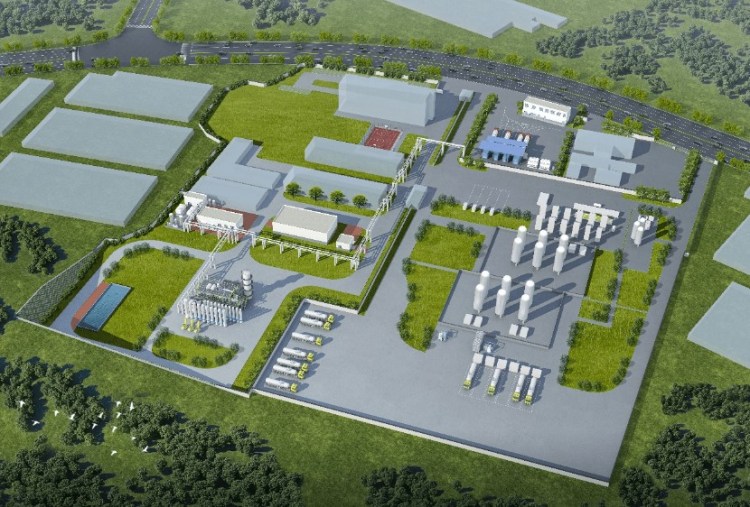
3. Biological Hydrogen Production
Emerging technologies also explore biological pathways to produce hydrogen directly from biomass or biogas using certain microorganisms. Although still under development, these processes promise lower temperatures and more environmentally friendly operations.
Benefits of Biogas-Based Hydrogen Production
1. Carbon Neutrality
Biogas is derived from organic materials that are part of the natural carbon cycle. Using it for hydrogen production does not add new carbon to the atmosphere, unlike fossil-based hydrogen. When the process includes carbon capture and storage (CCS), it can even become carbon negative.
2. Waste Utilization
Biogas comes from waste—animal manure, agricultural residues, food waste, and wastewater. Turning this into hydrogen not only produces clean energy but also helps manage waste sustainably, reducing methane emissions from decomposition and improving sanitation.
3. Decentralized Production
Biogas plants can be established in rural or semi-urban areas close to feedstock sources. Combined with modular hydrogen production units, this enables localized and independent energy systems, which reduce transmission losses and support energy access in off-grid regions.
4. Supports Multiple Sectors
Hydrogen can be used in various sectors—transportation (especially fuel cell vehicles), industry (e.g., steel, ammonia production), power generation, and energy storage. Biogas-based hydrogen enables rural economies to participate in this emerging hydrogen economy.
Challenges to Address
- Upgrading and Purification: Raw biogas must be purified before reforming. Removing CO₂ and H₂S requires additional processing, increasing the cost and complexity.
- High Capital Costs: Steam reformers and purification systems are capital-intensive. For small-scale operations, economic feasibility remains a concern.
- Infrastructure Gaps: Hydrogen storage, transport, and refueling infrastructure are still underdeveloped in many regions.
- Process Efficiency: Energy losses in biogas-to-hydrogen conversion need to be minimized to improve overall system efficiency.
Conclusion
Biogas hydrogen production represents an exciting frontier in renewable energy. By coupling organic waste management with clean fuel generation, it supports a circular economy while reducing dependence on fossil fuels. While technological and financial hurdles exist, the potential of this approach to transform energy systems—particularly in rural and agricultural regions—is undeniable.
 Manufacturer of biogas analyzer, landfill gas analyzer and extraction monitor, anaerobic digester gas analyzer