

In many rural regions around the world, access to reliable, affordable, and clean energy remains a major challenge. Traditional sources of energy, such as firewood, kerosene, and diesel, are not only expensive and polluting but also contribute to health hazards and environmental degradation. As the world pushes toward sustainable development, biogas biomassa—the combination of biogas production from biomass—has emerged as a transformative solution. This renewable energy source is not only eco-friendly but also highly adaptable to the specific needs of rural communities.
What Is Biogas Biomassa?
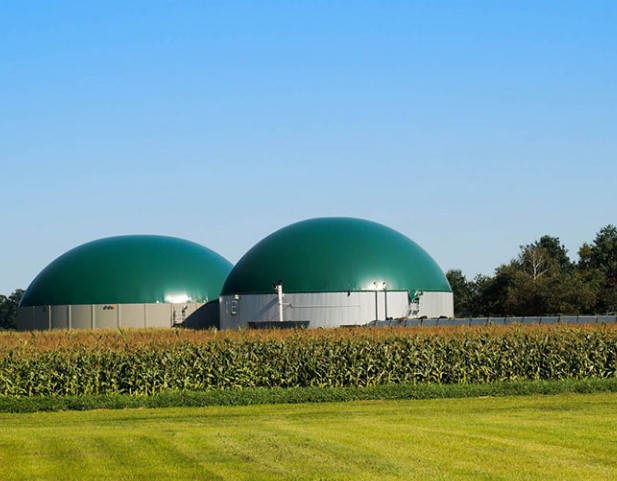
Biogas biomassa refers to the generation of biogas through the anaerobic digestion of organic biomass materials, such as agricultural residues, animal manure, and food waste. In a closed digester system, these materials break down in the absence of oxygen, producing a mixture of gases—primarily methane (CH₄) and carbon dioxide (CO₂). This gas mixture, known as biogas, can be used for cooking, heating, electricity generation, and even vehicle fuel in compressed form. During the biogas production process, a biogas analyzer is needed to monitor the composition of the biogas. Such as the GASCHEK1000 portable biogas analyzer, use advanced photoelectric sensing principles to detect and analyze methane (CH4), oxygen (O2), carbon dioxide (CO2), hydrogen sulfide (H2S) and other gases, and accurately report , while effectively checking the digestive process.

Why It Matters for Rural Areas
Rural communities often rely on subsistence agriculture and have limited access to modern energy infrastructure. This makes them ideal candidates for decentralized, locally sourced energy systems. Here’s how biogas biomassa is reshaping rural energy landscapes:
1. Reducing Dependence on Firewood and Fossil Fuels
Many rural households rely on firewood for cooking, which leads to deforestation and indoor air pollution. Biogas provides a clean-burning alternative, significantly reducing the health risks associated with smoke inhalation and cutting down on deforestation. Additionally, it reduces dependence on expensive fossil fuels like diesel and LPG, which are often hard to access and afford in remote areas.
2. Turning Waste into Wealth
Biogas production turns agricultural waste, livestock manure, and even food scraps into valuable energy. This is particularly beneficial in rural areas, where such biomass is abundant but often discarded or burned. Instead of being a disposal problem, organic waste becomes a resource that generates fuel and improves sanitation.
Moreover, the by-product of the biogas process, known as digestate, is a nutrient-rich organic fertilizer that can be returned to the soil, improving agricultural yields and reducing the need for chemical fertilizers.
3. Empowering Local Economies
Biogas biomassa systems can be built and managed locally, creating jobs and entrepreneurial opportunities in installation, maintenance, and training. By keeping energy production within the community, rural areas can build more resilient, self-sufficient economies.
Community-scale biogas plants can power local milling operations, irrigation pumps, refrigeration units, and other small enterprises—helping farmers and rural businesses reduce energy costs and increase productivity.
4. Providing Reliable Energy Access
Grid electricity is often unreliable or completely unavailable in rural areas. Biogas systems provide a decentralized and continuous source of energy that is not affected by national power outages. Households can cook meals without worrying about LPG shortages, and farmers can irrigate fields or power equipment without waiting for grid expansion.
Small-scale generators powered by biogas can provide lighting for homes and schools, support digital access, and enhance education and health services.
5. Supporting Environmental Goals
Biogas biomassa contributes to rural sustainability by:
- Reducing greenhouse gas emissions (especially methane from untreated manure and decomposing biomass).
- Preventing water and soil pollution through better waste management.
- Reducing reliance on fossil fuels and mitigating climate change impacts.
In essence, it aligns rural development with national and global environmental commitments.
Real-World Applications
Countries like India, Nepal, Kenya, and Indonesia have implemented widespread rural biogas programs. In India, for instance, millions of family-sized biogas plants have been installed under government-backed initiatives. Farmers not only benefit from free, renewable cooking gas but also improved waste management and soil fertility.
In Africa, various NGOs and clean energy companies have introduced low-cost plastic or dome digesters that suit smallholder farms. These systems are designed to work even with minimal water and operate year-round.
Conclusion
Biogas biomassa is not just an energy solution—it is a comprehensive approach to rural development, environmental protection, and economic empowerment. By transforming organic waste into clean, usable energy, it offers rural communities a path toward sustainability, resilience, and improved quality of life.
 Manufacturer of biogas analyzer, landfill gas analyzer and extraction monitor, anaerobic digester gas analyzer