
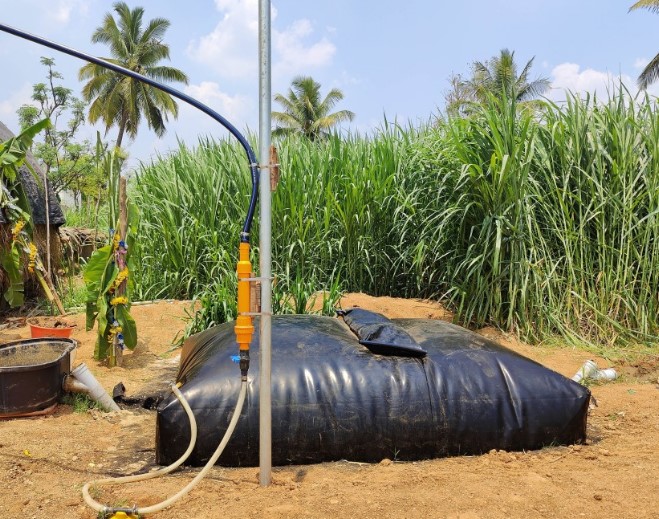
In recent years, the world has witnessed a significant rise in the adoption of renewable energy technologies, with biogas playing a pivotal role in shaping a sustainable energy future. Among the various innovations in biogas production, mini biogas digesters have emerged as an accessible, cost-effective, and environmentally friendly solution for homes and small farms. These compact systems allow households and small-scale agricultural producers to harness the energy of organic waste and convert it into valuable biogas, which can be used for cooking, lighting, and even powering small electricity systems.
What Are Mini Biogas Digesters?
Mini biogas digesters are small-scale, compact systems designed to convert organic waste into biogas through the process of anaerobic digestion. Anaerobic digestion is a natural biological process where microorganisms break down organic materials in the absence of oxygen, producing methane-rich biogas. The digesters are typically used in homes, small farms, and rural areas to process kitchen waste, animal manure, and other biodegradable materials, creating a clean and renewable source of energy.
These digesters are significantly smaller and more affordable than large-scale biogas plants, making them ideal for individual households or small farm operations. They offer an efficient solution for managing organic waste while simultaneously providing energy for cooking, heating, or electricity generation.
How Do Mini Biogas Digesters Work?
1. Waste Collection
Organic waste, such as kitchen scraps, animal manure, or agricultural residues, is collected and placed inside the mini digester. The waste is typically chopped or shredded to speed up the digestion process.
2. Anaerobic Digestion
Inside the sealed digester, bacteria and other microorganisms break down the organic materials in the absence of oxygen, producing biogas, which is primarily methane (CH₄). This methane is collected and stored for use as fuel. During the biogas production process, a biogas analyzer is needed to monitor the composition of the biogas, such as the GASCHEK1000 portable biogas analyzer, use advanced photoelectric sensing principles to detect and analyze methane (CH4), oxygen (O2), carbon dioxide (CO2), hydrogen sulfide (H2S) and other gases, and accurately report , while effectively checking the digestive process.

portable biogas analyzer GASCHEK1000
3. Biogas Capture and Use
The biogas is captured in an air-tight chamber at the top of the digester and can be directed through pipes to a storage container or gas chamber. Once stored, the biogas can be used for various applications, including cooking, lighting, or even running small engines to generate electricity.
4. Digestate for Fertilizer
After the digestion process, the remaining organic material, called digestate, is nutrient-rich and can be used as an organic fertilizer for plants or crops. This not only improves soil fertility but also reduces the need for chemical fertilizers.
Benefits of Mini Biogas Digesters
1. Affordable and Cost-Effective
One of the biggest advantages of mini biogas digesters is their affordability. The initial investment for a mini digester is relatively low compared to larger systems, making it accessible for small-scale farmers and low-income households. The operation and maintenance costs are also minimal, with the main expenses being the occasional replacement of parts such as pipes or seals.
2. Sustainable Energy Production
Mini biogas digesters offer a reliable source of renewable energy, helping to reduce dependence on conventional fuels such as firewood, kerosene, or electricity. Biogas is a clean-burning fuel, reducing indoor air pollution and improving health outcomes for households that previously relied on traditional cooking methods. Moreover, the use of biogas reduces the need for fossil fuels, contributing to climate change mitigation efforts.
3. Waste Management
In rural and farming communities, managing organic waste can be a challenge. Mini biogas digesters provide an efficient way to process kitchen scraps, animal manure, and crop residues, turning these wastes into valuable resources. This reduces environmental pollution, prevents waste from being dumped or burned, and alleviates the burden on landfills.
4. Improved Soil Fertility
The digestate produced by mini biogas digesters is rich in nutrients and can be used as an organic fertilizer. This helps improve soil quality, enhance crop yields, and reduce reliance on synthetic fertilizers. Small-scale farmers can use the digestate to improve the health of their land, leading to better agricultural productivity.
5. Energy Independence
By producing their own biogas, households and small farms can achieve greater energy independence. In remote areas, where access to the national electricity grid may be limited, mini biogas digesters offer a decentralized solution to energy needs. This can improve the quality of life for people living off the grid, enabling them to power lights, cook meals, and generate electricity for small devices.
Applications of Mini Biogas Digesters
- Cooking: The biogas produced by mini digesters can be used for cooking, replacing traditional fuels like firewood, charcoal, or LPG. This is especially important in rural areas where access to clean cooking fuels is limited.
- Lighting: In off-grid areas, mini biogas digesters can provide energy for lighting, either through biogas lamps or by generating electricity with biogas-powered generators.
- Electricity Generation: While smaller biogas systems may not generate large amounts of electricity, they can still provide enough power for small electrical devices or lights. Some advanced mini digesters are equipped with biogas-powered generators to produce electricity for households or small businesses.
- Farming: Small-scale farmers can use the biogas plant to power pumps, lights, or small equipment on their farms. The digestate produced can be used as fertilizer, promoting sustainable agriculture.
Conclusion
Mini biogas digesters represent a powerful tool in the transition to cleaner, more sustainable energy solutions. By converting organic waste into renewable biogas, these systems help address waste management issues, improve energy access, and reduce environmental pollution.
 Manufacturer of biogas analyzer, landfill gas analyzer and extraction monitor, anaerobic digester gas analyzer