

The quest for renewable energy sources has been a driving force in global sustainability efforts. Among the many innovations in clean energy, biogas stands out as a particularly versatile and sustainable solution. Biogas, which is primarily composed of methane, is produced through the anaerobic digestion of organic materials such as agricultural waste, sewage, and food scraps. However, the development of biogas as a renewable energy source did not happen overnight; it has a rich history that traces back to the first biogas plant in the world.
The Birth of Biogas Technology
The concept of using organic waste to produce methane dates back centuries. However, it wasn’t until the late 19th century that biogas was first harnessed for practical use. The first recorded instance of biogas production occurred in 1859, when a scientist named Michael Faraday made observations about the production of methane gas from decomposing organic matter. Faraday’s work laid the groundwork for future research, but it wasn’t until the early 20th century that biogas production became a feasible energy source.
The First Biogas Plant: India, 1950s
The first biogas plant was established in the 1950s in India, marking a significant milestone in the history of renewable energy. While biogas technology had been explored and experimented with in Europe and the United States earlier in the century, it was India that first built a functional, large-scale biogas plant for practical use.
This pioneering plant was set up in the town of Khushpur, Punjab, in 1950. It was designed to process cow dung and other organic farm waste through anaerobic digestion, producing methane gas that could be used for cooking and lighting. This early biogas plant was intended to solve multiple problems: waste management, energy generation, and even sanitation in rural areas.
How the First Biogas Plant Worked
The basic principles of the first biogas plant in Khushpur were simple but revolutionary for the time. Organic material, primarily cow dung, was placed inside a sealed underground digester. In the absence of oxygen, anaerobic bacteria broke down the organic waste, producing biogas. This methane-rich gas was then collected and stored in gas bags or containers, ready to be used as a fuel.
The gas produced in the biogas plant was primarily used for cooking and lighting purposes. In rural areas like Khushpur, where access to electricity and commercial fuels was limited, this form of energy proved to be both practical and sustainable. The byproduct of the digestion process, known as digestate, was also used as a nutrient-rich fertilizer, enhancing soil quality for agricultural purposes.
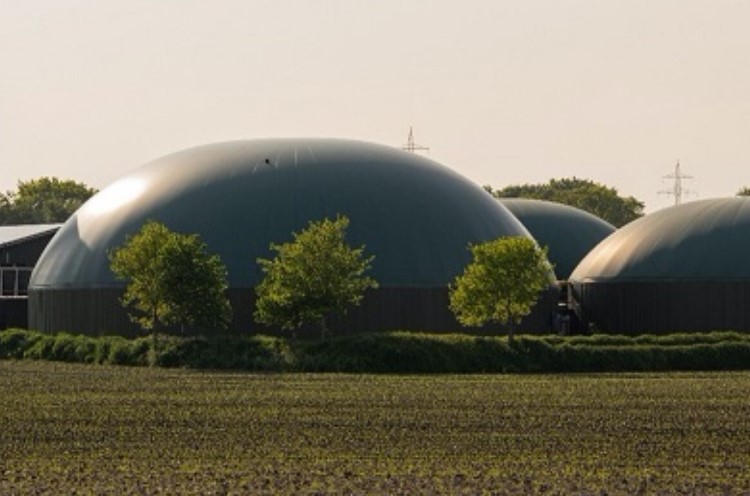
The Impact of the First Biogas Plant
1. Sustainable Energy
The biogas plant demonstrated the potential of turning agricultural waste into a renewable energy source. In an era where fossil fuels were the dominant energy source, this plant offered an alternative that was both sustainable and locally sourced. Farmers no longer had to rely solely on firewood or kerosene for cooking, which were both costly and harmful to the environment.
2. Waste Management
The plant provided a solution to the challenge of managing large quantities of organic waste. In agricultural communities, cow dung and crop residues are abundant, but until then, much of this waste went unused or contributed to environmental pollution. The biogas plant effectively transformed this waste into a valuable resource, reducing the environmental impact of improper waste disposal.
3. Economic Benefits
By producing its own energy, the community became more self-reliant and economically stable. The savings on traditional fuels and the ability to sell excess biogas created a new source of income for the local population. Additionally, the use of digestate as organic fertilizer helped improve agricultural productivity, which further contributed to the local economy.
4. Health and Sanitation
Before the establishment of the biogas plant, many rural households relied on open burning of agricultural waste or used traditional cooking methods that produced harmful smoke. The clean-burning biogas from the plant improved air quality and reduced health risks associated with indoor air pollution. Additionally, the biogas plant helped reduce water contamination from untreated manure, improving sanitation and hygiene in the community.
Expanding Biogas Technology Globally
The success of the first biogas plant in Khushpur spurred further interest in biogas technology, both in India and around the world. In the following decades, biogas plants began to appear in other parts of India and beyond, especially in regions with strong agricultural sectors. These plants were increasingly used for electricity generation, with biogas-powered generators providing a decentralized energy solution to rural areas.
In the 1970s and 1980s, biogas technology began to gain recognition in Europe, where governments and research organizations began exploring biogas as a viable alternative to fossil fuels. In countries like Germany, biogas plants started to appear in farming communities, and the technology gradually expanded to other regions of the world.
Conclusion
The establishment of the first biogas plant in the world marked a turning point in the history of renewable energy. It showed that organic waste could be used to generate clean energy while simultaneously solving issues related to waste management, agriculture, and sanitation.
 Manufacturer of biogas analyzer, landfill gas analyzer and extraction monitor, anaerobic digester gas analyzer