
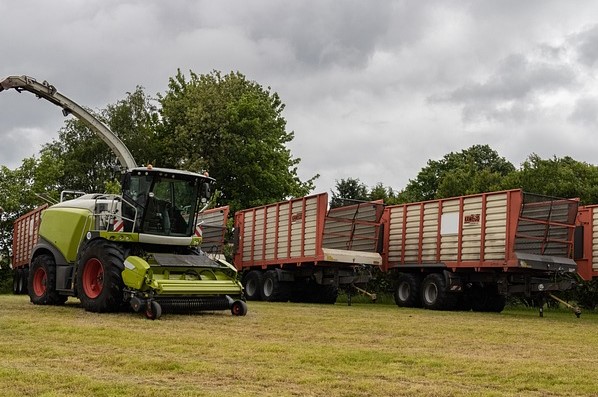
As the global demand for sustainable energy sources grows, agricultural biogas plants are emerging as a key solution to both waste management and renewable energy production. These plants use organic waste from farms, including crop residues, animal manure, and other agricultural byproducts, to produce biogas — primarily methane — which can be used for heating, electricity generation, and even as a fuel for vehicles. With the growing emphasis on renewable energy, agricultural biogas plants offer an efficient, eco-friendly way to harness the power of farm waste and turn it into valuable energy.
What Are Agricultural Biogas Plants?
Agricultural biogas plants are systems that process organic waste from farms, such as livestock manure, crop residues, and food scraps, through anaerobic digestion to produce biogas. Anaerobic digestion is a biological process that breaks down organic matter in the absence of oxygen, producing biogas, which is rich in methane (CH₄) — a clean and renewable fuel.
In an agricultural biogas plant, organic materials are placed in a sealed tank, called a digester, where microorganisms decompose the waste. The resulting biogas can be captured, purified, and stored for use as an energy source. Any remaining material, known as digestate, is rich in nutrients and can be used as organic fertilizer, making the entire process a valuable resource for both energy and agriculture.
How Do Agricultural Biogas Plants Work?
1. Collection of Organic Waste
Farms produce a significant amount of organic waste, including manure, crop residues, and plant matter. These materials are collected and transported to the biogas plant, where they are stored before undergoing anaerobic digestion.
2. Anaerobic Digestion
In the digester, organic waste is broken down by anaerobic bacteria in the absence of oxygen. This microbial activity produces biogas, which consists mostly of methane and carbon dioxide, along with trace amounts of other gases like hydrogen sulfide. During the biogas production process, a biogas analyzer is needed to monitor the composition of the biogas. Such as OLGA1500 Online Biogas Monitoring System adopts laser sensing principle. It can realize the online monitoring of methane gas, which is fast, accurate and stable. OLGA1500 Online Biogas Monitoring System can be widely used in gas monitoring in landfill gas power plants, petrochemicals, coal mines and other scenarios, and can realize remote data transmission.
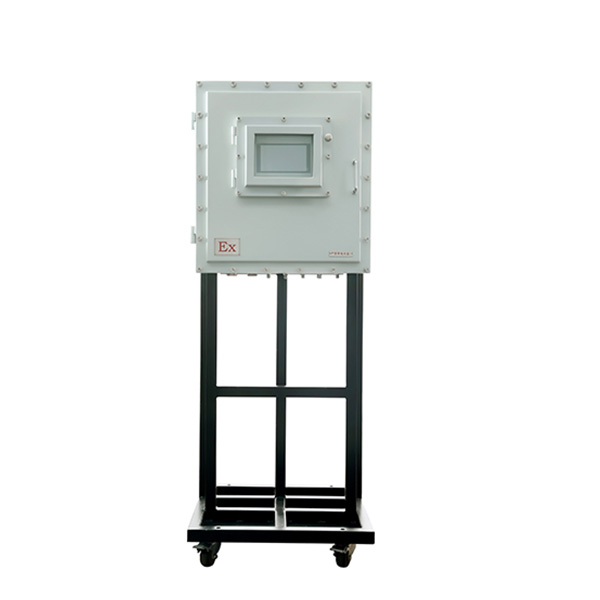
Online Biogas Monitoring System OLGA1500
3. Biogas Capture and Purification
The produced biogas is captured in the digester and then purified to remove impurities such as carbon dioxide, hydrogen sulfide, and moisture. This purified methane-rich biogas is then compressed and stored in gas cylinders or used immediately for energy applications.
4. Energy Production
The biogas can be used to generate electricity through biogas-powered generators, or it can be burned for heating and cooking purposes. In some cases, biogas can be further processed into bio-methane and used as a fuel for vehicles, replacing fossil fuels like gasoline or diesel.
5. Digestate for Fertilizer
After the digestion process, the remaining organic material, called digestate, is nutrient-rich and can be used as an organic fertilizer for crops, thus contributing to sustainable farming practices.
Benefits of Agricultural Biogas Plants
1. Renewable Energy Production
One of the most significant advantages of agricultural biogas plants is their ability to generate renewable energy. Biogas is a clean, green alternative to fossil fuels and can be used to produce electricity, heat, and transportation fuel, thus reducing reliance on non-renewable resources and mitigating the effects of climate change.
2. Waste Management and Pollution Control
Agricultural biogas plants help address the challenge of waste disposal on farms. Manure and agricultural residues are often discarded or stored improperly, leading to pollution of soil, water, and air. By converting this waste into energy, biogas plants reduce the environmental impact of waste, helping to avoid water contamination, soil degradation, and the release of harmful greenhouse gases like methane into the atmosphere.
3. Economic Benefits
Agricultural biogas plants offer economic advantages by creating a new revenue stream for farmers. Farmers can sell the biogas generated from their waste to local energy companies or use it to power their own operations, reducing energy costs. Additionally, digestate can be sold as a high-quality organic fertilizer, further enhancing the plant’s financial viability.
4. Reduction of Greenhouse Gas Emissions
Methane is a potent greenhouse gas, and when released into the atmosphere, it significantly contributes to global warming. Agricultural biogas plants capture methane that would otherwise escape from manure and waste piles, reducing the environmental impact of agriculture. The use of biogas instead of fossil fuels also helps lower overall greenhouse gas emissions, contributing to climate change mitigation efforts.
5. Energy Independence for Rural Areas
Agricultural biogas plants can help rural areas become more energy-independent by producing local, renewable energy. By harnessing farm waste for energy production, rural communities can reduce their reliance on centralized power grids and fossil fuel imports, ensuring a more sustainable and resilient energy supply.
Conclusion
Agricultural biogas plants offer a powerful solution for harnessing farm waste to generate renewable energy. By converting organic waste into biogas, these plants help reduce environmental pollution, provide economic benefits for farmers, and contribute to the global transition to cleaner, renewable energy sources.
 Manufacturer of biogas analyzer, landfill gas analyzer and extraction monitor, anaerobic digester gas analyzer