

As the world moves toward greener, more sustainable energy solutions, converting gobar gas (animal dung) to compressed natural gas (CNG) is emerging as a promising method for producing eco-friendly fuel. Gobar gas, produced through the anaerobic digestion of organic matter such as livestock manure, has long been used in rural areas for cooking and heating. However, the potential to convert this biogas into CNG opens up new avenues for cleaner transportation, waste management, and renewable energy production.
What is Gobar Gas and CNG?
Gobar gas, or biogas, is primarily composed of methane (CH₄), a powerful greenhouse gas that is produced when organic materials like animal dung and agricultural residues are broken down by bacteria in an anaerobic environment (without oxygen). Gobar gas has been used for decades in rural homes, where it is harnessed for cooking and lighting purposes.
On the other hand, CNG (Compressed Natural Gas) is a cleaner alternative to gasoline and diesel, often used as fuel for vehicles. CNG is composed mostly of methane and is stored at high pressures in cylindrical tanks for easy transport and use. Converting gobar gas to CNG involves extracting methane from the raw biogas and compressing it into a usable fuel form suitable for vehicles or industrial use.
The Conversion Process: Turning Gobar Gas into CNG
1. Collection of Gobar Gas: Gobar gas is typically collected from biogas digesters installed at farms, rural households, or large-scale agricultural facilities. These digesters break down organic waste such as manure in an oxygen-free environment, generating biogas. It is necessary to monitor the composition of biogas. For example, the OLGA2000 biogas online monitoring system uses advanced photoelectric sensing principles to detect methane (CH4), oxygen (O2), carbon dioxide (CO2), hydrogen sulfide (H2S), etc. It can be widely used in gas monitoring in landfill biogas power plants, petrochemical industry, coal mines and other scenarios, and can realize remote data transmission.
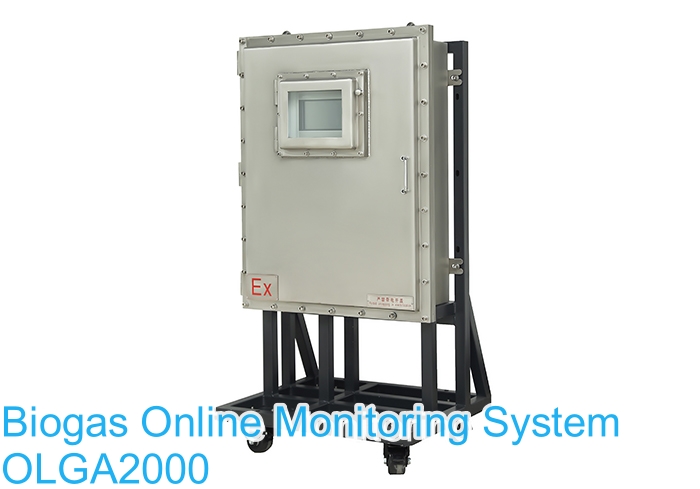
biogas online monitoring system OLGA2000
2. Purification: Raw gobar gas contains impurities such as hydrogen sulfide, carbon dioxide, and moisture, which need to be removed before the methane can be used. A biogas purifier or scrubber system is used to filter out these impurities, leaving behind purified methane gas.
3. Compression: The purified methane is then compressed using a CNG compressor. This compression increases the gas pressure, making it suitable for storage and use in vehicles, generators, or other applications. The compressed methane is stored in high-pressure cylinders for transportation and use.
4. Storage and Distribution: Once compressed, CNG can be stored in tanks at fueling stations or on-site storage facilities. It is distributed to vehicles or industries that require clean, renewable fuel.
Benefits of Converting Gobar Gas to CNG
1. Cleaner Fuel for Vehicles
Converting gobar gas to CNG offers a cleaner, more sustainable alternative to traditional fossil fuels like gasoline and diesel. CNG produces significantly fewer pollutants, including carbon dioxide, nitrogen oxides, and particulate matter. This can lead to improved air quality, especially in urban areas, and a reduction in health problems related to air pollution.
2. Waste Management and Pollution Reduction
Agricultural waste, including animal manure, is often discarded or improperly managed, leading to pollution of water bodies and soil. By capturing this waste and converting it into useful energy, gobar gas-to-CNG systems help reduce environmental pollution and the methane emissions that would otherwise escape into the atmosphere.
3. Renewable Energy Source
Unlike fossil fuels, which are finite, biogas derived from organic waste is renewable. Converting gobar gas to CNG makes use of a resource that is continuously replenished by agricultural activities and livestock, creating a sustainable fuel cycle that can help reduce reliance on non-renewable energy sources.
4. Energy Independence and Rural Development
For rural communities, converting gobar gas to CNG provides an opportunity for energy independence. Farmers and small-scale producers can generate their own fuel, reducing their reliance on external energy suppliers. Additionally, it can create economic opportunities in the form of biogas plant construction, operation, and maintenance.
5. Reduction in Greenhouse Gas Emissions
Methane is a potent greenhouse gas, and when it escapes into the atmosphere unburned, it contributes significantly to global warming. By capturing and converting gobar gas to CNG, we can prevent methane emissions from entering the atmosphere and, at the same time, produce a clean energy source that contributes to reducing overall greenhouse gas emissions.
Conclusion
Converting gobar gas to CNG is a transformative technology that holds great potential for reducing pollution, improving waste management, and providing renewable energy. By turning agricultural waste into a usable and clean fuel source, this process contributes to a greener, more sustainable energy future. As the technology evolves and becomes more cost-effective, the widespread use of gobar gas to CNG could play a significant role in combating climate change and promoting energy independence worldwide.
 Manufacturer of biogas analyzer, landfill gas analyzer and extraction monitor, anaerobic digester gas analyzer