
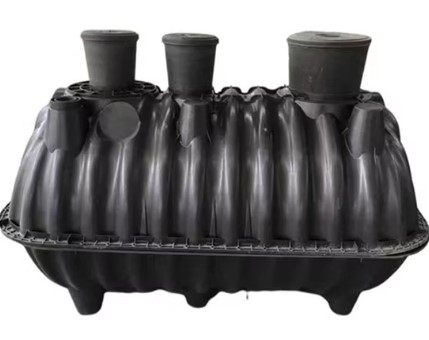
Biogas technology has evolved significantly over the years, with plastic digesters emerging as an innovative and cost-effective solution for small-scale and decentralized energy production. These digesters provide an efficient way to convert organic waste into biogas while being more affordable and easier to install compared to traditional concrete or metal digesters. Advances in material science and design have further improved their durability, making them a practical choice for households, farms, and small businesses looking for renewable energy alternatives.
The Rise of Plastic Digesters
Traditional biogas digesters, often made of concrete or metal, require substantial investment and technical expertise for construction and maintenance. Plastic digesters, on the other hand, are prefabricated and lightweight, making them easier to transport, install, and maintain. These digesters are typically made from high-density polyethylene (HDPE) or polyvinyl chloride (PVC), which are resistant to corrosion, weather changes, and biological degradation.
The flexibility of plastic digesters allows them to be installed in various locations, including rural and urban settings where space and resources are limited. Their modular designs also enable scalability, allowing users to expand capacity based on energy demands.

Advantages of Plastic Digesters
Cost-Effectiveness
One of the biggest advantages of plastic digesters is their affordability. Compared to traditional biogas systems, plastic digesters require lower initial investment and minimal construction work. The prefabricated structure reduces labor costs and installation time, making them a viable option for low-income households and small-scale farmers.
Durability and Longevity
Modern plastic digesters are designed to withstand environmental stress, including UV exposure, temperature fluctuations, and microbial activity. High-quality plastic materials prevent leaks, ensuring efficient gas collection and reducing maintenance needs. Unlike metal digesters that are prone to rust or concrete systems that may crack over time, plastic digesters have a longer operational lifespan with minimal degradation.
Easy Installation and Mobility
Unlike fixed concrete digesters, plastic digesters are often portable and do not require extensive site preparation. They can be installed within a few hours and relocated if necessary, making them suitable for temporary or mobile applications. This flexibility is particularly beneficial for disaster relief areas, temporary settlements, and regions where land ownership is uncertain.
Efficient Waste Management
Plastic digesters provide an effective way to manage organic waste, including food scraps, livestock manure, and agricultural residues. By diverting waste from landfills, they reduce methane emissions and help in sustainable waste disposal. The process also produces nutrient-rich digestate, which can be used as an organic fertilizer to improve soil health and agricultural productivity.
Technological Innovations in Plastic Digesters
Advancements in biogas technology have led to several improvements in plastic digester design and efficiency.
Multi-Layered Plastic Construction
To enhance durability and gas retention, manufacturers are developing digesters with multiple layers of plastic. These layers provide insulation, reduce gas leakage, and increase resistance to environmental wear and tear.
Integrated Biogas Storage
Some modern plastic digesters come with built-in gas storage systems, eliminating the need for separate gas-holding tanks. This feature reduces installation complexity and ensures a steady supply of biogas for cooking, heating, or electricity generation.
Automated Monitoring Systems
Smart sensors and remote monitoring technologies are being incorporated into plastic digesters to track temperature, pressure, gas composition, and digester health. These systems allow users to optimize biogas production, detect leaks, and address potential issues before they affect performance.
Hybrid Designs with Solar Heating
In colder regions where biogas production slows down due to low temperatures, some plastic digesters are being integrated with solar heating components. This innovation helps maintain optimal digestion temperatures, improving gas yield and system efficiency.
Applications of Plastic Digesters
Plastic digesters are widely used in households, small farms, and community projects. In rural areas, they provide an affordable solution for off-grid energy needs, reducing dependency on firewood and fossil fuels. Farmers use them to process livestock manure, creating a sustainable energy source while managing agricultural waste. Schools, hospitals, and community centers are also adopting plastic digesters to reduce operating costs and improve environmental sustainability.
Conclusion
Plastic digesters represent a significant advancement in biogas technology, offering an affordable, durable, and easy-to-install alternative to traditional digesters. Their ability to convert organic waste into clean energy while promoting waste management and environmental sustainability makes them an attractive solution for diverse applications.
 Manufacturer of biogas analyzer, landfill gas analyzer and extraction monitor, anaerobic digester gas analyzer