
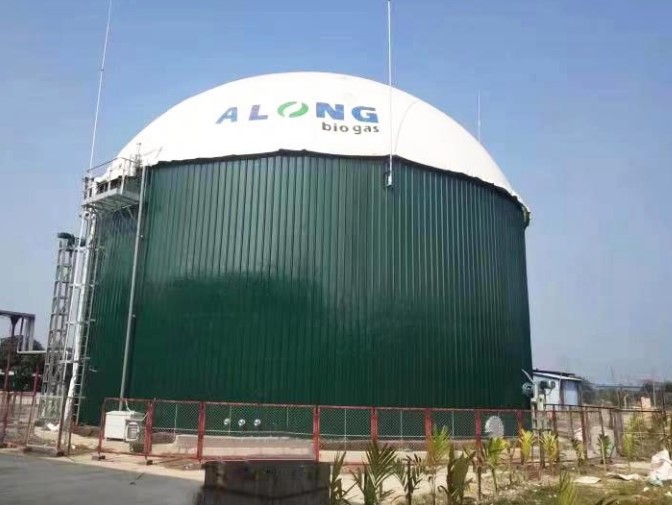
Biogas digestion is the cornerstone of converting organic waste into a valuable renewable energy source. This process, known as anaerobic digestion, uses naturally occurring bacteria to break down organic matter in an oxygen-free environment. The result is biogas—a methane-rich fuel that can be harnessed for cooking, heating, electricity generation, and more. Understanding the intricacies of biogas digestion is crucial for optimizing system efficiency and maximizing energy output.
What Is Biogas Digestion?
At its core, biogas digestion is a microbial process that decomposes organic material in the absence of oxygen. This process takes place in a sealed chamber called a digester. As bacteria break down the organic matter, a mixture of gases is produced, primarily consisting of methane (CH₄) and carbon dioxide (CO₂). The methane is the key component that makes biogas an effective fuel, while the digestion process also yields digestate—a nutrient-rich by-product that can be used as organic fertilizer.
Key Stages of Biogas Digestion
Biogas digestion occurs in four main stages:
1. Hydrolysis
Complex organic molecules such as carbohydrates, proteins, and fats are broken down into simpler compounds (sugars, amino acids, and fatty acids) by hydrolytic enzymes. This step is essential, as it converts insoluble materials into forms that are more accessible to bacteria in subsequent stages.
2. Acidogenesis
In this stage, acidogenic bacteria further decompose the simple molecules into volatile fatty acids, alcohols, hydrogen (H₂), and carbon dioxide (CO₂). The acids produced in this phase serve as substrates for the next step.
3. Acetogenesis
During acetogenesis, the products of acidogenesis are converted into acetic acid, along with additional hydrogen and CO₂. This conversion is critical because acetic acid is a direct precursor for methane production in the final stage.
4. Methanogenesis
The final step involves methanogenic archaea, which convert acetic acid and hydrogen into methane (CH₄) and water (H₂O). Methanogenesis is the slowest phase of the process and is highly sensitive to environmental conditions such as pH and temperature.
Factors Influencing Digestion Efficiency
Several factors can impact the efficiency of biogas digestion and, consequently, the overall yield of methane:
• Feedstock Quality
The type, composition, and moisture content of the organic waste affect the digestion process. A balanced mix with an optimal carbon-to-nitrogen ratio (ideally between 20:1 and 30:1) promotes effective microbial activity.
• Temperature
Digestion processes are temperature-sensitive. Mesophilic conditions (30–40°C) are typically preferred for stable operation, while thermophilic conditions (50–60°C) can accelerate digestion but may require more precise control.
• pH Levels
The optimal pH for anaerobic digestion is usually between 6.8 and 7.5. Deviations from this range can inhibit bacterial activity, especially methanogens, and reduce methane production.
• Hydraulic Retention Time (HRT)
The duration the feedstock remains in the digester influences how completely it is broken down. Short retention times can lead to incomplete digestion, whereas overly long retention can reduce overall throughput.
• Mixing and Homogeneity
Adequate mixing prevents the settling of solids and ensures that bacteria have continuous access to the feedstock, which is vital for maintaining uniform conditions throughout the digester.
Optimization Strategies
To improve the efficiency of biogas digestion, consider the following strategies:
• Pre-Treatment of Feedstock
Mechanical, chemical, or thermal pre-treatment can help break down complex organic materials, making them more accessible to bacteria and enhancing gas yield.
• Co-Digestion
Combining different types of organic waste, such as agricultural residues with food waste, can balance nutrient levels and optimize the carbon-to-nitrogen ratio.
• Temperature Control
Insulating the digester or using heating systems can help maintain optimal temperature levels, particularly in cooler climates.
• Regular Monitoring
Installing sensors to continuously track temperature, pH, and gas composition allows for timely adjustments and ensures that the digestion process remains efficient.
Conclusion
Efficient biogas digestion is key to converting organic waste into a reliable source of renewable energy. By understanding and optimizing the stages of anaerobic digestion and considering factors such as feedstock quality, temperature, pH, and retention time, operators can maximize methane production.
 Manufacturer of biogas analyzer, landfill gas analyzer and extraction monitor, anaerobic digester gas analyzer