
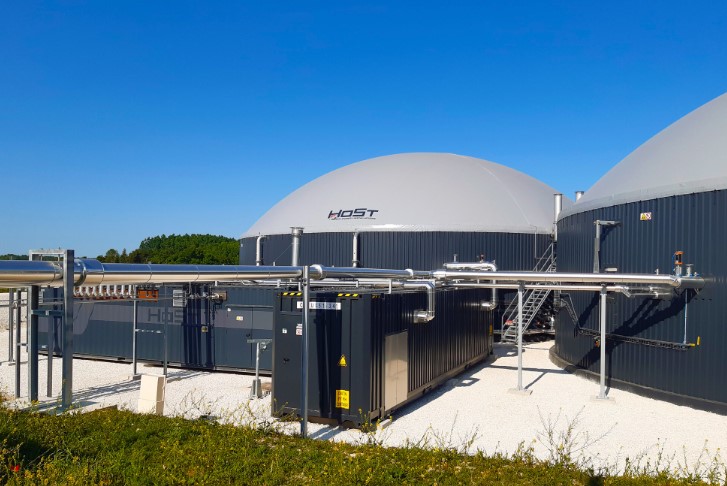
In the drive toward a sustainable energy future, innovative technologies that convert waste into renewable power are gaining prominence. The Emerald Biogas Plant represents one such breakthrough, transforming organic waste into clean, usable energy. By harnessing anaerobic digestion, the plant turns agricultural residues, food waste, and other organic materials into methane-rich biogas that can be used for electricity generation, heating, and cooking. This transformation not only reduces the volume of waste sent to landfills but also cuts greenhouse gas emissions, creating a win–win scenario for both the environment and local communities.
Technology and Process
At the heart of the Emerald Biogas Plant is the process of anaerobic digestion. In this controlled, oxygen-free environment, naturally occurring bacteria break down organic matter in several stages:
• Hydrolysis – Complex organic compounds such as carbohydrates, proteins, and fats are broken down into simpler sugars, amino acids, and fatty acids.
• Acidogenesis and Acetogenesis – The simpler molecules are converted into volatile fatty acids, which are then transformed into acetic acid, hydrogen, and carbon dioxide.
• Methanogenesis – Specialized methanogenic bacteria convert acetic acid and hydrogen into methane and carbon dioxide, producing the biogas.
This methane-rich biogas is then captured and purified, making it suitable for energy applications. During the biogas production process, a biogas analyzer is needed to monitor the composition of the biogas. For example, the OLGA2000 biogas online monitoring system uses advanced photoelectric sensing principles to detect and analyze methane (CH4), oxygen (O2), carbon dioxide (CO2), hydrogen sulfide (H2S) and other gases.
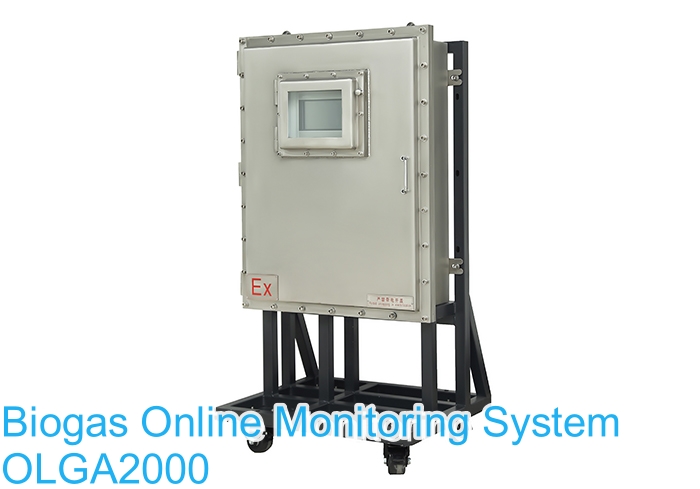
biogas online monitoring system OLGA2000
Environmental and Economic Benefits
By converting organic waste into renewable energy, the Emerald Biogas Plant offers significant environmental advantages. Capturing methane that would otherwise be released into the atmosphere mitigates one of the most potent greenhouse gases, contributing to climate change mitigation. Moreover, the process reduces the reliance on fossil fuels and decreases air pollution by replacing traditional biomass and LPG fuels.
Economically, the plant provides a low-cost energy source for rural and urban communities alike. Local farmers and businesses benefit from reduced waste disposal costs and the opportunity to generate electricity on-site. Additionally, the nutrient-rich digestate, a by-product of anaerobic digestion, serves as an excellent organic fertilizer that can enhance soil fertility and boost crop yields.

Social Impact and Community Integration
Beyond its environmental and economic benefits, the Emerald Biogas Plant plays a vital role in community development. By fostering energy independence, the plant reduces reliance on imported fossil fuels and strengthens local energy resilience. Its scalable design makes it adaptable to various community sizes, from small villages to larger towns, ensuring that even resource-constrained areas can harness renewable energy.
Furthermore, the project often creates job opportunities in plant construction, operation, and maintenance, contributing to local economic growth. Educational programs associated with the plant raise awareness about sustainable practices and renewable energy, empowering communities to embrace environmentally friendly technologies.
Conclusion
The Emerald Biogas Plant stands as a beacon of innovation in renewable energy, showcasing how organic waste can be transformed into a clean, sustainable power source. By effectively harnessing the power of anaerobic digestion, the plant not only addresses waste management challenges but also contributes to environmental protection and economic development.
 Manufacturer of biogas analyzer, landfill gas analyzer and extraction monitor, anaerobic digester gas analyzer