
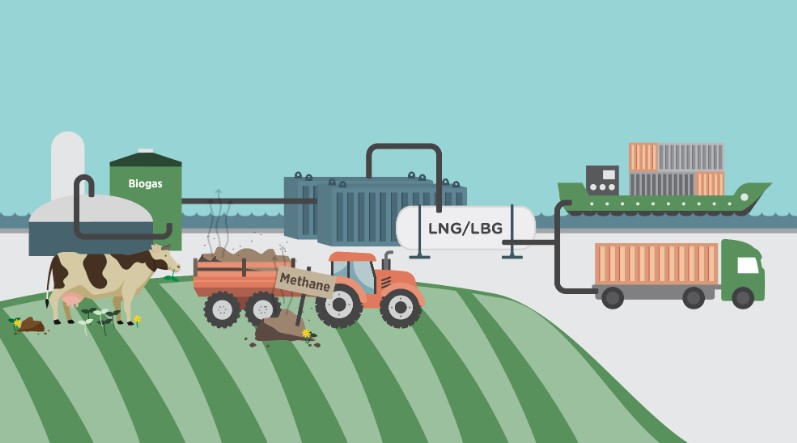
Renewable energy is essential in the global transition away from fossil fuels, and among the many renewable sources, biogas stands out as a versatile and sustainable option. At its heart, biogas is methane—a potent, high-energy gas that is the core component driving its potential as a renewable fuel.
Understanding Methane in Biogas
Biogas is generated through the process of anaerobic digestion, where microorganisms break down organic matter in the absence of oxygen. This natural process produces a mixture of gases, with methane typically making up 50% to 75% of the final product. The methane content is crucial because it is highly combustible and provides the energy needed for various applications, such as cooking, heating, and electricity generation.
The Role of Methane in Energy Production
Methane is the primary energy carrier in biogas. When combusted, methane releases a significant amount of heat, making it an effective fuel for power generation. Modern biogas systems often incorporate Combined Heat and Power (CHP) units, which simultaneously generate electricity and capture waste heat for industrial or residential use. This efficient utilization of methane not only maximizes energy output but also minimizes greenhouse gas emissions by capturing methane that would otherwise be released into the atmosphere.
Optimizing Methane Production
Several factors affect the efficiency of methane production in biogas systems. These include:
• Feedstock Quality: The type and composition of organic waste (e.g., agricultural residues, animal manure, or food waste) play a significant role in determining methane yield. A balanced mix with an optimal carbon-to-nitrogen ratio enhances microbial activity.
• Temperature: Maintaining a mesophilic (around 35–40°C) or thermophilic (around 50–60°C) environment is critical, as different microbial communities thrive under specific temperature ranges.
• Retention Time: Sufficient time must be allowed for the anaerobic digestion process to complete. Shorter retention times can lead to incomplete digestion, reducing the overall methane output.
• pH and Inhibitors: The system must maintain a stable pH, typically between 6.8 and 7.5. Extreme pH levels or the presence of inhibitory compounds like ammonia can significantly slow methane production.
During the biogas production process, a biogas analyzer is needed to monitor the composition of the biogas. For example, the OLGA2000 biogas online monitoring system uses advanced photoelectric sensing principles to detect and analyze methane (CH4), oxygen (O2), carbon dioxide (CO2), hydrogen sulfide (H2S) and other gases.
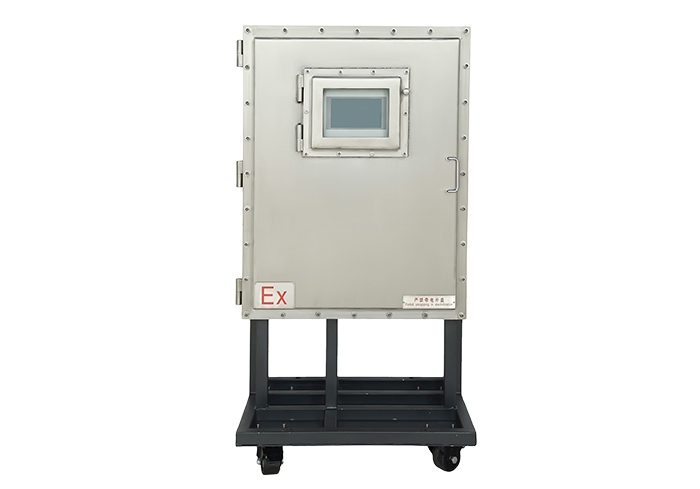
biogas online monitoring system OLGA2000
Environmental and Economic Implications
Utilizing methane-rich biogas offers numerous environmental benefits. By capturing methane from organic waste, biogas systems prevent its release—a critical factor, since methane is a greenhouse gas far more potent than carbon dioxide. Moreover, converting waste into energy reduces landfill use and lowers the overall carbon footprint of energy production.
Economically, biogas systems can provide a cost-effective alternative to conventional energy sources. The decentralized nature of biogas production empowers communities, particularly in rural areas, to generate their own energy from locally available resources, enhancing energy security and creating local job opportunities.
Future Trends in Methane Utilization
Advancements in biogas technology continue to improve the efficiency of methane production and utilization. Ongoing research is focused on optimizing microbial consortia, enhancing pre-treatment methods for feedstock, and integrating biogas systems with other renewable energy sources like solar and wind. As technology evolves, the role of methane as the core component of biogas is expected to expand further, contributing significantly to global renewable energy targets.
Conclusion
Methane is the driving force behind the potential of biogas as a renewable energy source. Understanding the processes that influence methane production—from feedstock quality and digestion conditions to technological improvements—can help optimize biogas systems for maximum efficiency. As the world strives to reduce dependence on fossil fuels, methane-rich biogas offers a practical, environmentally friendly, and economically viable solution for a sustainable energy future.
 Manufacturer of biogas analyzer, landfill gas analyzer and extraction monitor, anaerobic digester gas analyzer