
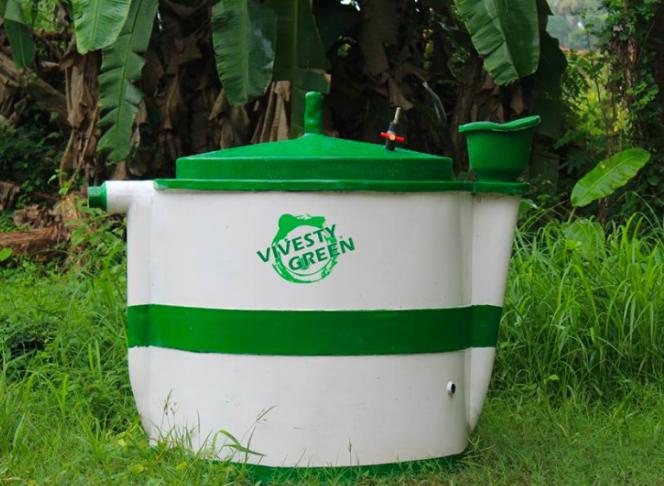
As the world shifts toward renewable energy, small biogas plants have emerged as a cost-effective solution for providing sustainable power in rural and small community settings. These compact systems harness locally available organic waste—from agricultural residues and animal manure to food scraps—and convert it into methane-rich biogas through anaerobic digestion. Not only do these systems help reduce waste and lower greenhouse gas emissions, but they also generate affordable energy for cooking, heating, and electricity generation.
Benefits for Small Communities
Small biogas plants offer several advantages for communities that might not have access to centralized power grids. First, they provide a decentralized source of energy that can increase energy independence and reliability. By using local resources, communities can cut down on fuel imports and reduce the costs associated with long-distance energy transmission.
Furthermore, these systems help address waste management issues. Organic waste that would otherwise decompose in landfills, releasing methane into the atmosphere, is instead converted into useful energy. The process not only mitigates pollution but also produces digestate, a nutrient-rich by-product that can serve as an organic fertilizer to boost local agriculture.
Technology and Affordability
Advances in biogas technology have made small biogas plants more affordable and easier to maintain. Many designs are modular and scalable, allowing communities to start with a basic system and expand as their needs grow. The use of durable, low-cost materials such as plastic digesters or locally sourced construction materials further reduces the initial capital investment.
These systems are designed to operate with minimal technical oversight. Simple mechanisms for feeding, stirring, and gas collection ensure that even communities with limited technical expertise can manage the plants effectively. As more projects adopt small biogas solutions, economies of scale and increased market competition help lower the overall costs, making the technology accessible to even the most resource-constrained settings.
Economic and Environmental Impact
For small communities, the economic benefits are significant. By reducing reliance on expensive fossil fuels or imported energy sources, households and local businesses can lower their energy bills. The operation of biogas plants also creates local job opportunities—from installation to ongoing maintenance—fostering community development.
Environmentally, small biogas plants contribute to a reduction in greenhouse gas emissions. The capture of methane—a potent greenhouse gas—from decomposing organic matter prevents its release into the atmosphere. In addition, the replacement of traditional biomass fuels, such as wood or charcoal, helps decrease deforestation and air pollution, creating healthier living conditions.
Challenges and Future Prospects
While the benefits are clear, small biogas plants also face challenges. Initial installation costs and the need for proper system design can be barriers in some regions. Moreover, the efficiency of biogas production can vary based on the quality and consistency of feedstock. However, ongoing research and improvements in system design continue to enhance the performance and affordability of these systems.
Government support, such as subsidies and technical training programs, plays a crucial role in promoting biogas technology. As policies increasingly favor renewable energy, small communities are more likely to receive the necessary resources and expertise to implement and maintain these systems effectively.
Conclusion
Small biogas plants represent a practical, affordable, and environmentally friendly solution for renewable energy in small communities. By turning organic waste into valuable biogas, these systems not only address waste management issues but also offer a path to energy independence and economic growth. With continued technological advancements and supportive policies, small biogas plants are poised to become a cornerstone of sustainable energy strategies in rural areas and small towns around the world.
 Manufacturer of biogas analyzer, landfill gas analyzer and extraction monitor, anaerobic digester gas analyzer