
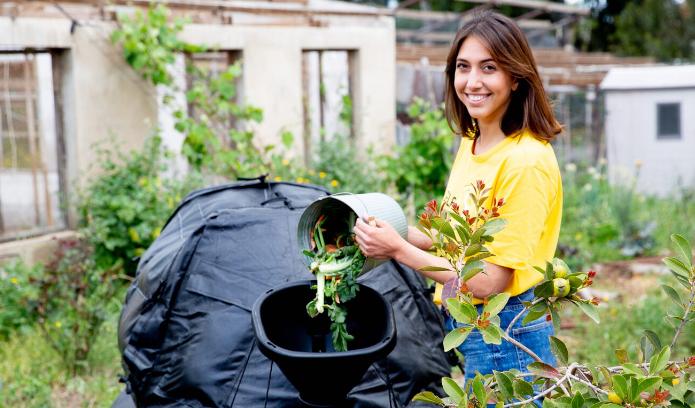
With growing concerns over energy costs and environmental sustainability, many households are exploring renewable energy options. One accessible solution is a homemade biogas plant that converts kitchen waste into methane-rich biogas. This gas can be used for cooking and even generating electricity, while the process also produces a nutrient-rich by-product ideal for gardening. By using everyday kitchen scraps and organic waste, you can create a simple, cost-effective biogas system that not only reduces waste but also provides a renewable energy source.
Materials and Tools
To set up a basic homemade biogas plant, gather the following materials and tools:
• A sealed container or tank (plastic or metal) with a capacity of around 200–500 liters
• PVC pipes and connectors for the inlet, outlet, and gas collection
• A flexible gas storage bag or dome to capture the biogas
• Valves to control gas flow and prevent leaks
• A mixing tool to blend waste with water
• Organic kitchen waste (fruit and vegetable scraps, leftover food, small amounts of used cooking oil if appropriate)
• Water to create a slurry, and optionally a starter culture like animal manure to introduce necessary bacteria
Step-by-Step Process
1. Preparing the Digester Tank
Choose a durable container that can be sealed tightly to maintain an anaerobic environment. Clean the container and install an inlet pipe near the top to add your kitchen waste slurry and an outlet pipe near the bottom for removing the digestate later.
2. Setting Up the Gas Collection System
Attach a gas collection chamber to the top of the tank. This can be a flexible gas bag or a fixed dome that expands as biogas is produced. Ensure that all connections are secure with valves installed to regulate the gas flow. A tight seal is essential to prevent leaks and maintain the quality of the biogas.
3. Mixing the Feedstock
Collect your kitchen waste and mix it with water in roughly a 1:1 ratio. If available, add a small amount of animal manure to serve as a bacterial inoculant, jumpstarting the anaerobic digestion process. Blend the waste into a consistent slurry to ensure even digestion throughout the tank.
4. Loading the Digester
Pour the prepared slurry into the digester through the inlet pipe. Once filled, seal the container tightly to create an oxygen-free environment. The anaerobic bacteria in the waste will begin breaking down the organic material, converting it into biogas over a period of 10 to 15 days.
5. Monitoring the Digestion Process
Keep the plant in a warm location (ideally between 30–40°C) to optimize bacterial activity. Check periodically for gas production by observing the expansion of the gas bag or dome. A steady accumulation of gas indicates that the digestion process is working effectively. For example, the GASCHEK1000 portable biogas analyzer, use advanced photoelectric sensing principles to detect and analyze methane (CH4), oxygen (O2), carbon dioxide (CO2), hydrogen sulfide (H2S) and other gases, and accurately report , while effectively checking the digestive process.

6. Utilizing the Biogas and Digestate
Once sufficient biogas has been collected, it can be diverted to a biogas stove for cooking or to a generator for electricity production. Additionally, after the digestion process is complete, remove the digestate through the outlet pipe. This nutrient-rich by-product can be used as an organic fertilizer for your garden.
Maintenance Tips
• Consistently add kitchen waste to keep the biogas production steady, being careful not to overload the system.
• Occasionally stir or agitate the contents (if your design permits) to prevent solid settling and ensure uniform digestion.
• Regularly inspect the system for leaks, checking connections and valves.
• Maintain the optimal temperature for bacterial activity, particularly in colder months—insulation or a simple heating solution may be required.
• Periodically remove the digestate to make room for fresh feedstock while also collecting it as a fertilizer for your plants.
Conclusion
Building a homemade biogas plant using kitchen waste is an innovative and eco-friendly way to manage organic waste while producing renewable energy. This do-it-yourself approach not only reduces reliance on conventional fuels but also provides the added benefit of a natural fertilizer. With careful setup, regular maintenance, and a steady supply of organic material, your biogas plant can serve as a practical solution for sustainable home energy needs. Embracing this technology empowers households to contribute to a cleaner environment while cutting down on energy costs.
 Manufacturer of biogas analyzer, landfill gas analyzer and extraction monitor, anaerobic digester gas analyzer