
The price of biogas is influenced by multiple factors ranging from raw material costs to technology implementation and market dynamics. As biogas becomes an increasingly attractive renewable energy source, understanding the factors that affect its production and distribution costs is crucial for policymakers, investors, and operators. This article examines the key elements that drive the cost of biogas production and distribution and discusses their implications on the overall price.
Raw Material and Feedstock Costs
One of the primary components affecting biogas price is the cost and availability of feedstock. Feedstock can include agricultural residues, animal manure, food waste, and municipal solid waste. The variability in feedstock quality and quantity has a direct impact on the efficiency of the anaerobic digestion process and, consequently, on the volume and quality of the biogas produced. In regions where feedstock is abundant and locally sourced, production costs tend to be lower. Conversely, if the supply is inconsistent or requires transportation over long distances, costs increase.
Technology and Infrastructure Investment
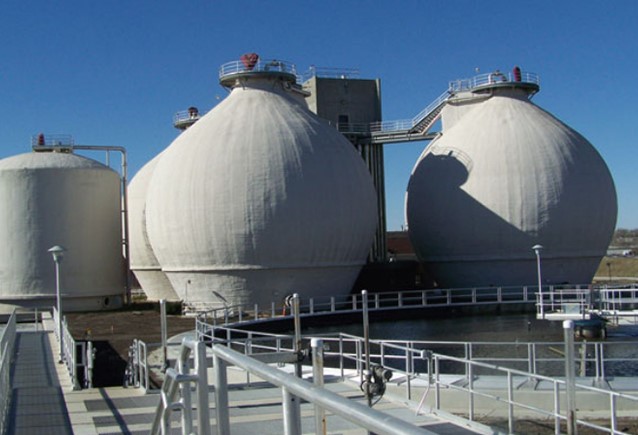
The capital cost for establishing biogas plants is a significant factor in overall biogas pricing. Investments include the cost of digester tanks, gas purification and upgrading systems, storage facilities, and distribution infrastructure. Advanced technologies, such as high-rate digesters and gas upgrading units, can improve gas yields and purity but may come with higher upfront costs. Economies of scale play a role as well: larger plants typically have lower unit costs compared to small-scale, decentralized systems.

Operational and Maintenance Expenses
Ongoing operational expenses, such as labor, maintenance, and energy consumption for plant operation, directly affect the cost of biogas production. Efficient process management and routine maintenance can optimize microbial activity in digesters and ensure consistent gas production, thereby reducing unexpected downtimes and repair costs. Training and skilled labor are essential to maintain these systems and minimize operational inefficiencies.
Distribution and Storage Costs
Once produced, biogas must be stored and transported to end users. Storage solutions, including gas holders and pipelines, incur costs that are influenced by the distance and infrastructure quality. In remote areas, higher transportation costs may lead to increased biogas prices. Moreover, if the biogas is upgraded to biomethane for injection into natural gas grids or for vehicle fuel, additional processing costs come into play, further impacting the final selling price.
Policy and Regulatory Environment
Government policies and regulatory frameworks also play a significant role in determining biogas prices. Subsidies, tax incentives, and feed-in tariffs can lower production costs and encourage investment in biogas infrastructure. On the other hand, stringent environmental or safety regulations may increase operational costs. The interplay between market support and regulatory requirements ultimately shapes the economic viability of biogas projects.
Market Demand and Supply Dynamics
Finally, market demand for renewable energy influences biogas prices. In regions with strong policy support and high demand for sustainable energy, biogas prices may be more competitive compared to traditional fossil fuels. However, fluctuating demand, competition from other renewable sources like solar and wind, and changes in energy market dynamics can cause price variability. Establishing stable, long-term contracts and integration into broader energy grids can help stabilize prices.
Conclusion
The cost of biogas is determined by a complex interplay of factors including feedstock costs, technology investments, operational expenses, distribution logistics, policy support, and market dynamics. Understanding these factors is critical for stakeholders looking to invest in or expand biogas production. As technology advances and renewable energy policies become more favorable, the overall cost of biogas production and distribution is likely to decline, making it an increasingly attractive alternative to fossil fuels.
 Manufacturer of biogas analyzer, landfill gas analyzer and extraction monitor, anaerobic digester gas analyzer