
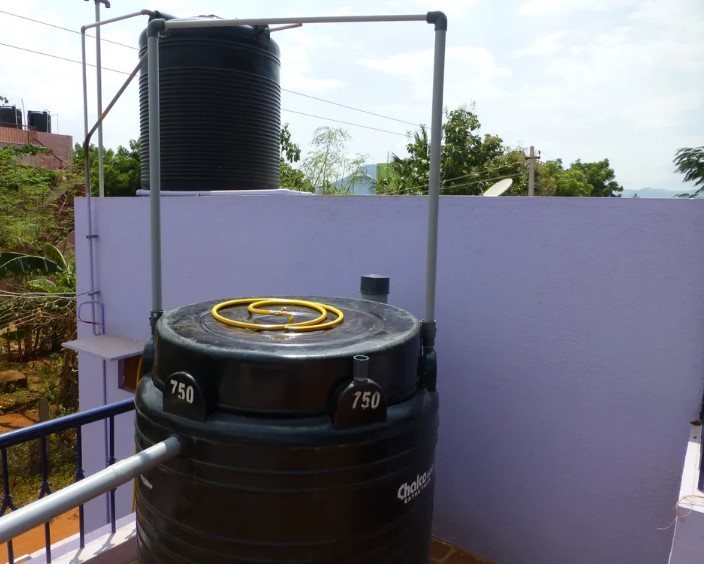
As energy prices rise and environmental concerns increase, more households are turning to renewable sources for everyday energy needs. A home biogas unit offers an effective way to transform organic waste—such as kitchen scraps, animal manure, and garden residues—into methane-rich biogas. This gas can be used for cooking and electricity generation, while the process also produces nutrient-rich by-products for fertilizer. Here we detail a step-by-step guide on setting up a biogas unit for home.
Understanding the Basics
Biogas is produced through anaerobic digestion, where naturally occurring bacteria break down organic materials in an oxygen-free environment. The process yields a mixture of gases, primarily methane (CH₄) and carbon dioxide (CO₂). Methane is the combustible component used for heating and power generation.
Materials and Tools
To construct a basic home biogas unit, you will need:
- A sealed digester tank (this can be a durable plastic or concrete container with a capacity of 500 to 1000 liters)
- Inlet and outlet pipes (typically PVC, sized for your system’s capacity)
- A gas collection system (such as a flexible gas storage bag or a fixed gas dome)
- Valves and fittings for regulating gas flow
- A mixing mechanism or tools to blend organic material with water
- Organic waste feedstock (a mix of kitchen waste, animal manure, and plant residues)
- A biogas stove or generator for utilizing the produced gas
- Gas monitoring, such as the GASCHEK1000 portable biogas analyzer, use advanced photoelectric sensing principles to detect and analyze methane (CH4), oxygen (O2), carbon dioxide (CO2), hydrogen sulfide (H2S) and other gases, and accurately report , while effectively checking the digestive process.

portable biogas analyzer GASCHEK1000
Step-by-Step Setup
1. Site Selection
Choose a well-ventilated outdoor location close to your kitchen and garden. The site should be on a slightly elevated, flat surface to avoid waterlogging. It is important that the area receives some sunlight to help maintain a steady temperature, as anaerobic digestion works best in a warm environment.
2. Constructing the Digester
The digester is the heart of the biogas unit. Using a sealed container, ensure that all openings are tightly secured to create an anaerobic environment. Install an inlet pipe near the top for adding the organic waste slurry and an outlet pipe near the bottom to periodically remove the digestate (the nutrient-rich by-product).
3. Setting Up the Gas Collection System
Attach a gas collection chamber to the top of your digester. This may be a flexible gas bag or a dome structure that expands as biogas is produced. Secure all connections with appropriate valves to control gas release and prevent leakage. Proper sealing is critical, as even small leaks can reduce the overall gas yield and pose safety hazards.
4. Preparing the Feedstock
For optimal digestion, mix your organic waste with water in a ratio of about 1:1. Start with a base mixture of animal manure (such as cow dung) to introduce the necessary bacteria. Gradually add chopped kitchen waste and garden residues. This mixture should be stirred to ensure uniform consistency and to avoid clumping.
5. Initiating the Digestion Process
Introduce the prepared slurry into the digester via the inlet pipe. Once sealed, allow the system to sit undisturbed for 10 to 15 days. During this period, bacteria will digest the organic material and produce biogas. Maintaining a consistent temperature (ideally between 30–40°C) is key to sustaining microbial activity.
6. Utilizing the Biogas
As biogas accumulates in the gas collection chamber, it can be directed to your biogas stove for cooking or fed into a generator to produce electricity. Adjust the gas valves to regulate the flow as needed. It is advisable to test the gas quality periodically and ensure that impurities are minimized to maintain efficient combustion.
Maintenance and Troubleshooting
• Regularly add fresh organic waste to sustain continuous biogas production.
• Monitor the system for leaks by inspecting joints and seals; a simple soap-water test can help detect escaping gas.
• Stir the contents of the digester occasionally (if the design permits) to prevent the settling of solids.
• Remove excess digestate every few months, which can then be used as an organic fertilizer in your garden.
• Ensure that the system temperature remains stable; in cooler climates, consider insulating the digester.
Conclusion
Setting up a home biogas unit for cooking and electricity is a practical and environmentally friendly way to manage organic waste while generating renewable energy. With proper planning, installation, and maintenance, you can reduce reliance on conventional fuels, lower energy costs, and contribute to a cleaner environment.
 Manufacturer of biogas analyzer, landfill gas analyzer and extraction monitor, anaerobic digester gas analyzer