
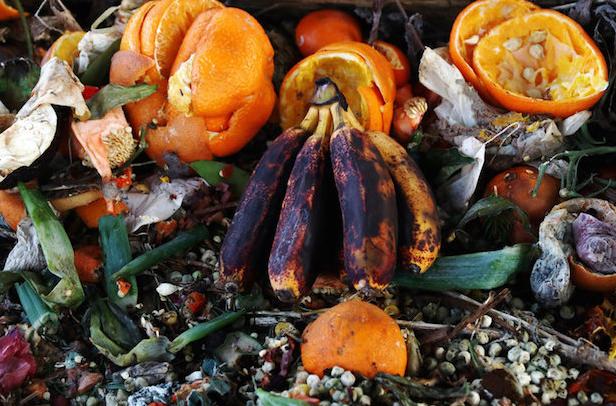
With rising energy demands and increasing environmental concerns, renewable energy sources have become essential in reducing reliance on fossil fuels. Biogas from vegetable waste offers a sustainable solution by converting organic kitchen and agricultural waste into methane-rich fuel that can be used for cooking, heating, and electricity generation.
How Biogas is Produced from Vegetable Waste
The production of biogas from vegetable waste occurs through a process called anaerobic digestion (AD). This is a natural biological process where microorganisms break down organic matter in an oxygen-free environment, releasing methane (CH₄) and carbon dioxide (CO₂) as primary gases.
Stages of Biogas Production
1. Collection and Pre-Treatment
Vegetable waste such as peels, stems, leaves, and spoiled produce is collected.
Large pieces are chopped or blended to accelerate decomposition.
2. Anaerobic Digestion
The prepared waste is fed into a biogas digester along with water.
Microorganisms break down complex organic compounds through four stages:
Hydrolysis: Breakdown of carbohydrates, proteins, and fats into simple molecules.
Acidogenesis: Conversion of these molecules into organic acids, alcohols, and hydrogen.
Acetogenesis: Further conversion into acetic acid, carbon dioxide, and hydrogen.
Methanogenesis: Methane-producing bacteria convert acetic acid and hydrogen into biogas.
3. Gas Collection and Utilization
The methane-rich biogas is collected in a gas storage unit.
It can be directly used for cooking, heating, or converted into electricity.
4. Slurry Management
The leftover digestate is a nutrient-rich organic fertilizer that can be used for crop cultivation.
Advantages of Using Vegetable Waste for Biogas
1. Renewable and Sustainable
Unlike fossil fuels, biogas is produced from continuous organic waste streams, ensuring a long-term energy supply.
2. Reduces Food and Agricultural Waste
Instead of disposing of vegetable waste in landfills, biogas systems recycle organic matter into useful energy.
3. Lowers Greenhouse Gas Emissions
Decomposing food waste in landfills releases methane directly into the atmosphere.
Capturing this methane for biogas prevents harmful emissions and contributes to climate change mitigation.
4. Provides Affordable Energy
Biogas can replace LPG, firewood, and coal, reducing household and industrial fuel costs.
5. Produces Organic Fertilizer The slurry by-product is rich in nutrients like nitrogen, phosphorus, and potassium, improving soil fertility and enhancing crop yields.
Applications of Biogas from Vegetable Waste
1. Cooking and Heating
Households, restaurants, and institutions can use biogas directly for cooking instead of relying on LPG.
2. Electricity Generation
Biogas generators can convert methane into electricity for homes, farms, and rural communities.
3. Industrial and Agricultural Use
Food processing industries and farms can integrate biogas systems to manage waste efficiently and generate on-site energy.
4. Waste Management in Urban Areas
Cities can implement community biogas plants to process vegetable market waste and produce clean energy.
Challenges and Solutions
1. Low Methane Yield from Some Vegetables
Solution: Co-digestion with high-energy organic materials such as fruit peels, manure, or food scraps can enhance biogas production.
2. High Water Content in Vegetable Waste
Solution: Mixing with dry organic waste (e.g., straw, husks) helps maintain the ideal moisture balance.
3. Initial Investment Costs
Solution: Government subsidies, community biogas projects, and low-cost biogas plant designs make the technology more accessible.
Conclusion
Biogas from vegetable waste is a clean, renewable, and cost-effective energy source that helps reduce food waste, lower emissions, and generate sustainable fuel. Whether for cooking, electricity, or industrial use, vegetable waste biogas systems provide a practical solution for both urban and rural communities.
 Manufacturer of biogas analyzer, landfill gas analyzer and extraction monitor, anaerobic digester gas analyzer