
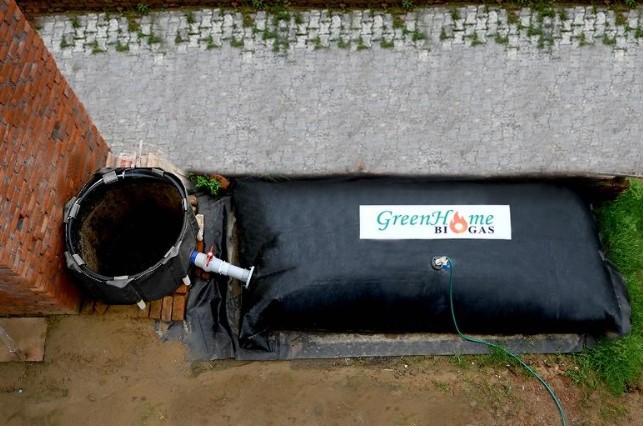
With rising energy costs and growing environmental concerns, many households are turning to biogas plants as a renewable and cost-effective solution for cooking and electricity. A home biogas plant allows you to convert kitchen waste, animal manure, and organic materials into methane gas, which can be used for cooking and generating power.
This guide provides a step-by-step process to set up a home biogas plant, covering materials, installation, and maintenance to ensure maximum efficiency.
How Biogas Works
A biogas plant functions through anaerobic digestion, where microorganisms break down organic waste in an oxygen-free environment. This process produces biogas, primarily composed of methane (CH₄) and carbon dioxide (CO₂). The methane can be used for cooking, heating water, and even generating electricity, while the remaining slurry serves as a nutrient-rich organic fertilizer.
Benefits of a Home Biogas Plant
- Reduces reliance on LPG and fossil fuels
- Lowers household energy costs
- Minimizes kitchen and organic waste
- Produces high-quality organic fertilizer
- Reduces greenhouse gas emissions

Materials Needed
To build a basic home biogas plant, you will need:
- Digester tank (Plastic or concrete, 500-1000 liters capacity)
- Inlet pipe (PVC or metal, for adding organic waste)
- – Outlet pipe (For removing the slurry)
- – Gas storage bag or chamber (For collecting biogas)
- – Biogas stove or generator (For utilizing the gas)
- Valves and pipes (To regulate gas flow)
- Organic waste (kitchen scraps, manure, plant residues)
Step-by-Step Installation
Step 1: Choose the Right Location
- Select an outdoor space with good sunlight exposure to maintain optimal digestion temperatures.
- Ensure proper ventilation and proximity to kitchen or power appliances.
- The location should be elevated to prevent flooding.
Step 2: Build the Digester Tank
- Use a plastic or concrete tank with a capacity of 500-1000 liters, depending on household size and waste availability.
- Install an inlet pipe at the top for adding organic waste.
- Attach an outlet pipe at the bottom for removing digestate (fertilizer by-product).
Step 3: Install the Gas Storage System
- Use a floating gas drum or a flexible gas bag to store the methane produced.
- Connect the gas outlet with a pipe to your biogas stove or generator.
- Install pressure valves to regulate gas flow and prevent leaks.
Step 4: Add Organic Waste and Water
- Start by adding cow dung or poultry manure mixed with water (1:1 ratio) to initiate bacterial activity.
- Gradually introduce kitchen waste, food scraps, and plant residues daily.
Step 5: Allow Fermentation to Start
- The anaerobic digestion process takes about 10-15 days before methane production begins.
- Keep the temperature between 30-40°C for optimal gas production.
- Stir the mixture occasionally to ensure even decomposition.
Step 6: Use the Biogas for Cooking or Electricity
- Connect the gas output to a biogas stove for cooking.
- If using it for electricity, attach the gas to a biogas generator to produce power.
Maintenance and Troubleshooting
Regular Feeding
- Add organic waste daily to keep gas production steady.
- Avoid oily and non-biodegradable materials, as they slow digestion.
Gas monitoring
Biogas analyzers, such as the GASCHEK1000 portable biogas analyzer, use advanced photoelectric sensing principles to detect and analyze methane (CH4), oxygen (O2), carbon dioxide (CO2), hydrogen sulfide (H2S) and other gases, and accurately report , while effectively checking the digestive process.

GASCHEK1000 portable biogas analyzer
Managing pH Levels
- The optimal pH range for digestion is 6.5-7.5.
- If the pH drops, add lime or wood ash to balance acidity.
Removing Slurry
- Empty the digester every 3-6 months to remove excess slurry.
- Use the digestate as organic fertilizer for gardening and farming.
Conclusion
Setting up a home biogas plant is an eco-friendly and cost-effective way to produce cooking fuel and electricity while managing organic waste. With proper installation and maintenance, a biogas system can provide a long-term, sustainable energy solution for households.
By adopting biogas technology, homeowners can reduce reliance on fossil fuels, cut energy costs, and contribute to a cleaner environment.
 Manufacturer of biogas analyzer, landfill gas analyzer and extraction monitor, anaerobic digester gas analyzer