
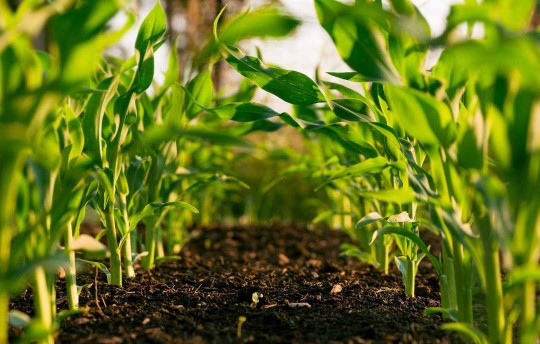
Agriculture plays a vital role in food production and economic development, but it also generates large amounts of organic waste, including crop residues, animal manure, and food processing by-products. If not managed properly, these wastes contribute to environmental pollution, greenhouse gas emissions, and soil degradation.
Biogas technology offers a sustainable solution by converting agricultural waste into renewable energy and nutrient-rich organic fertilizer. This process not only helps farmers generate their own electricity and heat but also reduces waste management costs and improves soil health. This article explores the benefits, applications, and future potential of biogas in agriculture.
What is Biogas and How is it Produced?
Biogas is a renewable energy source produced through anaerobic digestion, a natural process in which microorganisms break down organic materials in the absence of oxygen. The result is a mixture of gases, primarily:
Methane (CH₄) – 50-75% (the main combustible component)
Carbon dioxide (CO₂) – 25-45%
Other gases (H₂S, water vapor, nitrogen, and trace elements)
The anaerobic digestion process occurs in biogas digesters, where organic waste such as manure, crop residues, and food waste is broken down over a period of 15-40 days. The resulting biogas can be used for cooking, electricity generation, and heating, while the solid and liquid residues (digestate) serve as a high-quality organic fertilizer.
During the biogas production process, a biogas analyzer is needed to monitor the composition of the biogas. For example, the OLGA2000 biogas online monitoring system uses advanced photoelectric sensing principles to detect and analyze methane (CH4), oxygen (O2), carbon dioxide (CO2), hydrogen sulfide (H2S) and other gases.
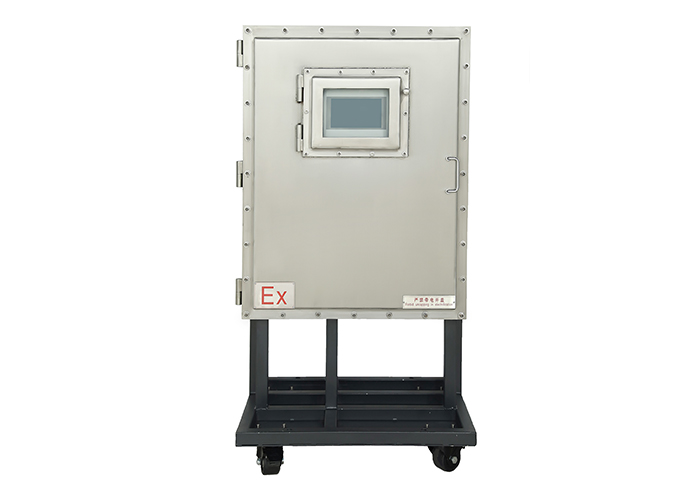
OLGA2000 biogas online monitoring system
The Role of Biogas in Agriculture
1. Waste Management and Pollution Reduction
Agricultural activities generate large amounts of organic waste, which, if left untreated, can lead to:
Water pollution (from manure runoff and chemical fertilizers)
Greenhouse gas emissions (methane from decomposing manure and food waste)
Odor problems affecting nearby communities
By converting waste into biogas and organic fertilizer, farmers can minimize pollution and environmental harm, creating a closed-loop waste management system.
2. Energy Generation for Farms
Many farms consume significant energy for operations such as:
Irrigation systems
Greenhouses and heating livestock barns
Milling and food processing units
With biogas plants, farms can produce their own electricity and heat, reducing dependence on costly fossil fuels and unstable grid supplies.
3. Organic Fertilizer Production
The by-product of biogas production, called digestate, is a nutrient-rich organic fertilizer containing nitrogen, phosphorus, and potassium (NPK). Compared to chemical fertilizers, digestate:
Improves soil fertility and crop yields
Enhances water retention in dry regions
Reduces dependency on synthetic fertilizers, which are costly and have negative environmental impacts
Farmers using digestate experience better soil health and long-term agricultural productivity.
4. Reduction of Greenhouse Gas Emissions
Agriculture is a major contributor to methane and carbon dioxide emissions, particularly from:
Livestock manure decomposition
Crop residue burning
Chemical fertilizer production and use
By capturing methane from manure and other organic waste, biogas plants prevent harmful emissions, helping to combat climate change while producing clean energy.
Applications of Biogas in Agriculture
1. Biogas for Cooking and Heating
Farms can use biogas stoves for cooking, eliminating the need for firewood or LPG.
Greenhouses and livestock sheds can be heated using biogas-powered heating systems, improving animal health and crop growth.
2. Biogas for Electricity Generation
Biogas generators convert methane into electricity, powering farm equipment, lighting, and processing facilities.
Many farms use Combined Heat and Power (CHP) systems, where excess heat from electricity generation is used for drying crops or warming water.
3. Biogas for Vehicle Fuel
Upgraded biogas, also known as compressed biogas (CBG), can be used to fuel farm vehicles, tractors, and transportation fleets.
In some regions, biogas-powered buses and trucks are helping to replace diesel and gasoline fuels.
4. Biogas for Irrigation and Water Pumping
Farms can power water pumps and irrigation systems using electricity generated from biogas, making off-grid farming more sustainable.
Challenges in Using Biogas in Agriculture
1. High Initial Investment Costs
The construction of biogas digesters, gas storage systems, and generators requires a significant upfront investment.
However, government subsidies and financing programs are helping farmers adopt biogas technology.
2. Feedstock Availability and Seasonal Variations
Continuous biogas production requires a steady supply of organic waste.
In some regions, seasonal changes affect crop residue availability, impacting biogas output.
3. Biogas Storage and Distribution Challenges
Unlike natural gas, biogas cannot be easily stored or transported over long distances.
Farms often need to use biogas immediately or invest in compression and storage units.
4. Technical Knowledge and Maintenance Requirements
Farmers need training on biogas plant operation, maintenance, and gas purification to ensure efficient production.
Poorly maintained digesters can lead to low methane production or gas leaks.
Future of Biogas in Agriculture
1. Government Policies and Incentives
Many governments are promoting biogas adoption through:
Subsidies for biogas plant construction
Tax exemptions on biogas equipment
Incentives for farms producing electricity from biogas
2. Advances in Biogas Technology
Improved digesters with higher efficiency and lower maintenance requirements.
Hybrid energy systems combining biogas with solar or wind power for a stable energy supply.
Biogas upgrading technologies for producing biomethane, which can be injected into natural gas grids.
3. Growing Demand for Sustainable Farming Practices
With rising concerns over soil degradation and climate change, farmers are shifting towards organic and regenerative agriculture, where biogas and digestate play a crucial role.
Large-scale agribusinesses are investing in waste-to-energy projects, integrating biogas into circular economy models.
Conclusion
Biogas in agriculture offers a powerful and sustainable solution for converting waste into clean energy and organic fertilizer. Despite challenges such as high initial investment and technical expertise requirements, government support, technological advancements, and increasing global demand for sustainable farming are driving the expansion of biogas in agriculture.
 Manufacturer of biogas analyzer, landfill gas analyzer and extraction monitor, anaerobic digester gas analyzer