
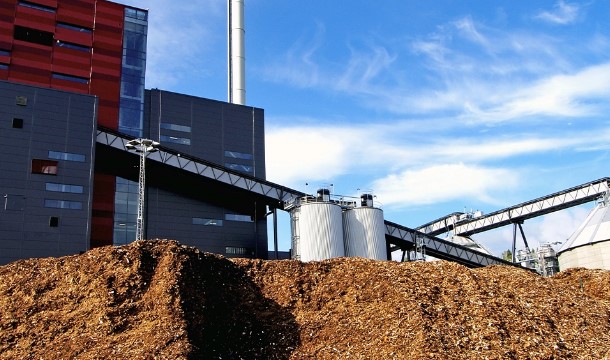
As the world moves towards renewable energy sources, biomass and biogas energy have emerged as two of the most promising alternatives to fossil fuels. These natural, sustainable energy solutions harness organic waste and biological materials to produce clean and renewable energy, reducing carbon emissions and promoting environmental sustainability.
This article explores the fundamentals of biomass and biogas energy, their production processes, benefits, and their role in a greener future.
Understanding Biomass and Biogas Energy
What is Biomass Energy?
Biomass energy refers to energy derived from organic materials, including:
- Wood and forestry residues (logs, sawdust, wood chips)
- Agricultural waste (corn stalks, rice husks, wheat straw)
- Energy crops (miscanthus, switchgrass, algae)
- Animal manure
- Municipal solid waste (MSW)
Biomass can be burned, gasified, or fermented to generate heat, electricity, or biofuels like biodiesel and ethanol.

What is Biogas Energy?
Biogas energy is produced when organic waste is broken down anaerobically (without oxygen) by bacteria, creating a methane-rich gas that can be used for cooking, heating, and electricity generation. Common sources of biogas include:
- Animal manure
- Food waste
- Sewage and wastewater sludge
- Crop residues
Biogas is mainly composed of:
- Methane (CH₄) – 50-75% (the primary fuel component)
- Carbon dioxide (CO₂) – 25-45%
- Trace gases (H₂S, NH₃, N₂, O₂, and water vapor)
How Biomass and Biogas Energy are Produced
Biomass Energy Production Methods
1. Direct Combustion
Biomass is burned to produce heat and electricity in power plants.
Commonly used in rural households and industrial heating systems.
2. Thermochemical Conversion
Gasification: Converts biomass into syngas (a mixture of hydrogen and carbon monoxide) used in power generation.
Pyrolysis: Heats biomass in the absence of oxygen to produce bio-oil and charcoal.
3. Biochemical Conversion
Fermentation: Uses microbes to break down biomass into bioethanol (alcohol-based fuel).
Anaerobic digestion: Produces biogas from organic waste (explained further below).
Biogas Energy Production Process
1. Feedstock Collection
Organic waste (manure, food scraps, sewage) is collected and mixed with water to create a slurry.
2. Anaerobic Digestion
The slurry is placed in an airtight digester, where microorganisms break down the material in four stages:
Hydrolysis: Breaks down complex organic matter.
Acidogenesis: Produces acids and alcohols.
Acetogenesis: Converts acids into acetic acid and hydrogen.
Methanogenesis: Produces methane-rich biogas.
It is necessary to monitor the composition of biogas. For example, the GASCHEK1000 portable biogas analyzer, use advanced photoelectric sensing principles to detect and analyze methane (CH4), oxygen (O2), carbon dioxide (CO2), hydrogen sulfide (H2S) and other gases, and accurately report , while effectively checking the digestive process.

GASCHEK1000 portable biogas analyzer
3. Biogas Collection and Storage
The generated biogas is collected in a gas holder and transported via pipelines to be used for cooking, electricity, or heating.
4. Utilization and By-Product Management
The leftover digestate (solid residue) is used as organic fertilizer.
Advantages of Biomass and Biogas Energy
1. Renewable and Sustainable
Biomass and biogas are constantly replenished through agriculture, forestry, and waste management, making them sustainable energy sources.
2. Reduces Greenhouse Gas Emissions
Biogas captures methane, which is a potent greenhouse gas, preventing its release into the atmosphere.
Biomass energy is carbon-neutral, as plants absorb CO₂ during growth, offsetting emissions from combustion.
3. Efficient Waste Management
Converts agricultural waste, food scraps, and manure into useful energy, reducing landfill waste and environmental pollution.
4. Energy Security and Rural Development
Reduces reliance on imported fossil fuels, making countries more energy-independent.
Creates jobs in agriculture, waste management, and renewable energy sectors.
5. Provides Clean Cooking and Electricity in Remote Areas
Biogas plants offer affordable cooking fuel for rural households.
Biomass power plants supply off-grid electricity to communities lacking traditional infrastructure.
Conclusion
Biomass and biogas energy are key players in the global shift towards sustainable and eco-friendly energy solutions. By utilizing organic waste and plant-based materials, these renewable sources reduce emissions, manage waste effectively, and promote energy independence.
 Manufacturer of biogas analyzer, landfill gas analyzer and extraction monitor, anaerobic digester gas analyzer