

Biogas is a renewable and sustainable energy source produced from organic waste through a natural biological process called anaerobic digestion. It is widely used for cooking, heating, electricity generation, and even as a vehicle fuel. By utilizing agricultural waste, food scraps, manure, and sewage, biogas production helps reduce greenhouse gas emissions while providing a clean energy alternative to fossil fuels. This article provides process of making biogas, from waste collection to gas utilization.
Understanding Biogas and Its Composition
Biogas is primarily composed of:
- Methane (CH₄) – 50-75% (the main combustible gas)
- Carbon dioxide (CO₂) – 25-45%
- Trace gases (H₂S, NH₃, N₂, O₂, and water vapor)
The methane content determines the energy value of biogas, making it suitable for various applications like cooking, heating, and power generation.
Step-by-Step Process of Making Biogas
Step 1: Collection of Organic Waste
To produce biogas, the first step is gathering organic waste materials that contain carbon and other biodegradable components. Suitable feedstock includes:
- Animal manure (cow dung, pig manure, poultry waste)
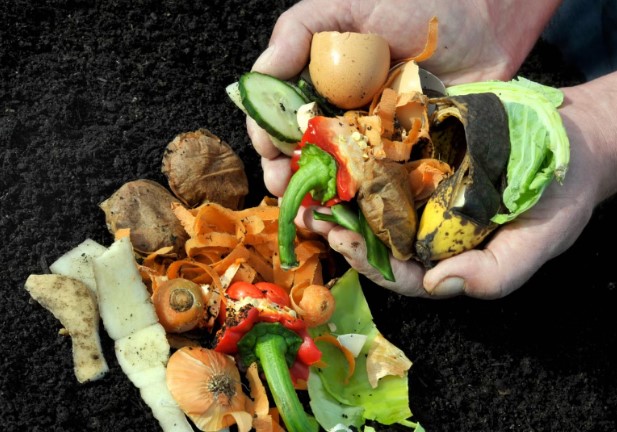
- Food waste (vegetable peels, spoiled food, fruit waste)
- Agricultural residues (straw, crop stalks, grass clippings)
- Sewage sludge and wastewater
Waste selection is crucial since certain materials (such as plastics, metals, and toxic chemicals) cannot be digested and may disrupt the biogas process.
Step 2: Preparing the Feedstock
Before entering the digester, the organic waste needs to be processed for efficient biogas production:
- Grinding or chopping large food or plant waste to increase surface area.
- Mixing with water to create a slurry (1:1 ratio of solid waste to water) for easy digestion.
- Balancing carbon-to-nitrogen ratio (C/N ratio) – Ideal C/N ratio for biogas production is 20:1 to 30:1 (e.g., mixing food waste with manure balances C/N levels).
Proper feedstock preparation ensures faster digestion and higher biogas yield.
Step 3: Anaerobic Digestion in the Biogas Digester
The biogas digester (also called a fermenter or reactor) is a sealed chamber where microorganisms break down organic matter in the absence of oxygen. The process occurs in four stages:
1. Hydrolysis
Complex organic compounds (carbohydrates, proteins, and fats) are broken down into simpler molecules like sugars and amino acids.
2. Acidogenesis
Bacteria convert these molecules into volatile fatty acids, alcohols, hydrogen, and carbon dioxide.
3. Acetogenesis
Further breakdown produces acetic acid, hydrogen, and more CO₂, preparing the waste for methane production.
4. Methanogenesis
Methanogenic bacteria convert acetic acid and hydrogen into methane (CH₄) and CO₂, creating biogas.
The digestion process typically takes 10-40 days, depending on temperature, feedstock type, and digester design. It is necessary to monitor the composition of biogas. Such as the GASCHEK1000 portable biogas analyzer, use advanced photoelectric sensing principles to detect and analyze methane (CH4), oxygen (O2), carbon dioxide (CO2), hydrogen sulfide (H2S) and other gases, and accurately report , while effectively checking the digestive process.
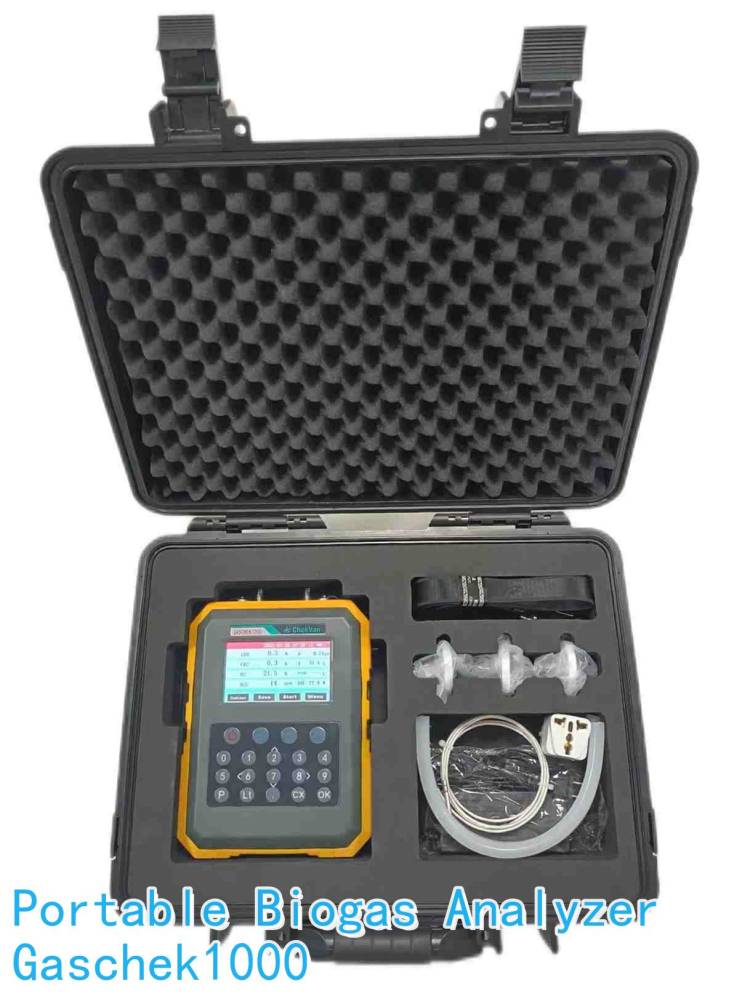
portable biogas analyzer GASCHEK1000
Step 4: Biogas Collection and Storage
As biogas is generated inside the digester, it rises to the gas storage chamber or gas holder. There are different types of storage systems:
- Floating drum digester – Gas is collected in an expandable drum above the digester.
- Fixed dome digester – Gas accumulates under a dome-shaped roof.
- Balloon or bag digester – Gas is stored in a flexible plastic bag.
The collected biogas is then piped to stoves, generators, or storage tanks for later use.
Step 5: Utilization of Biogas
Biogas can be used in multiple ways:
- Cooking and heating – Directly piped to biogas stoves or heaters.
- Electricity generation – Used in biogas generators or converted into biomethane for fuel cells.
- Vehicle fuel – Purified into compressed biogas (CBG) or liquefied biogas (LBG) for transportation.
- Industrial applications – Used for boilers and furnaces in factories.
Proper gas purification may be required if the biogas contains high levels of CO₂ or hydrogen sulfide (H₂S).
Step 6: Managing the By-Products (Digestate)
After digestion, a semi-solid slurry (digestate) remains, which can be used as:
- Organic fertilizer – Rich in nutrients like nitrogen and phosphorus.
- Compost additive – Enhances soil quality and moisture retention.
- Aquaculture feed – Used in fish farming as an algae nutrient.
The digestate is non-toxic, odorless, and valuable for sustainable agriculture.
Factors Affecting Biogas Production Efficiency
To maximize biogas yield, the following factors must be considered:
1. Temperature
- Mesophilic bacteria (30–40°C) – Most common, stable but slower digestion.
- Thermophilic bacteria (50–60°C) – Faster digestion but requires heating.
2. pH Levels
- Optimal pH range: 6.8 to 7.5.
- Too much acidity can slow down methanogenesis.
3. Retention Time
Waste should remain in the digester for 10–40 days, depending on the system.
4. Feedstock Type and Mixing
High-methane yield materials (food waste, manure) should be properly mixed to prevent settling.
Benefits of Biogas Production
1. Renewable Energy Source
Provides continuous and sustainable energy.
2. Reduces Greenhouse Gas Emissions
Captures methane, preventing it from entering the atmosphere.
3. Lowers Fuel and Electricity Costs
Reduces reliance on LPG, natural gas, and grid electricity.
4. Waste Management Solution
Converts organic waste into valuable energy, reducing landfill waste.
5. Produces Organic Fertilizer
Digestate improves soil health and crop yield.
6. Improves Energy Security
Beneficial for off-grid communities and rural farms.
Conclusion
Biogas production is a simple yet powerful process that transforms organic waste into clean, renewable energy. By following this step-by-step guide, anyone—from households to large farms—can set up a biogas system to generate fuel, manage waste efficiently, and contribute to environmental sustainability.
 Manufacturer of biogas analyzer, landfill gas analyzer and extraction monitor, anaerobic digester gas analyzer