
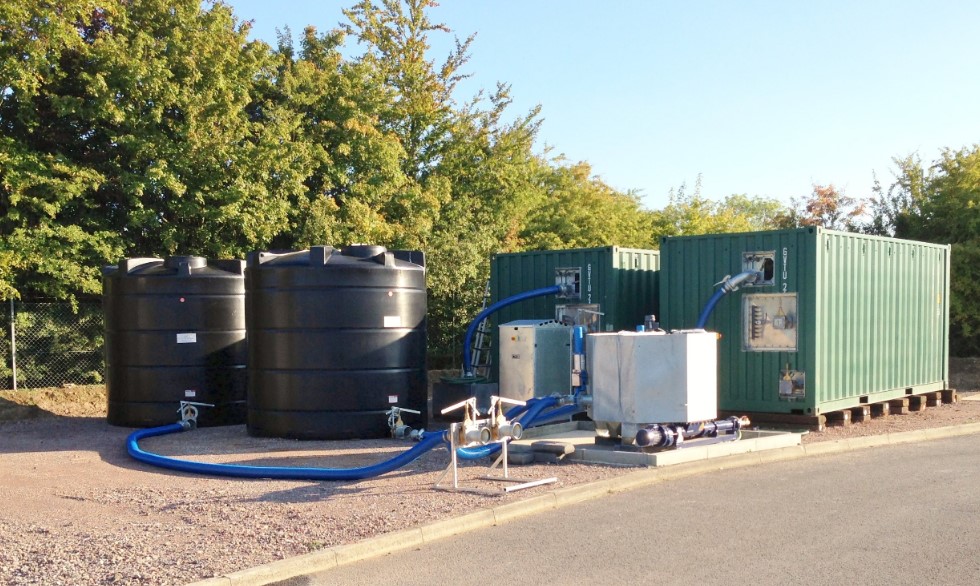
As energy costs continue to rise and environmental concerns become more pressing, many households and farmers are turning to biogas technology as an affordable and sustainable alternative. A low-cost biogas plant allows users to generate clean energy from organic waste, reducing dependence on fossil fuels and lowering waste management costs.
Understanding How a Biogas Plant Works
A biogas plant converts organic waste (such as kitchen scraps, animal manure, and crop residues) into biogas, a mixture of methane (CH₄) and carbon dioxide (CO₂). This process, known as anaerobic digestion, occurs in a sealed chamber called a digester. The produced biogas can be used for cooking, heating, lighting, and even generating electricity.
The main components of a biogas system include:
1. Feedstock input – where organic waste is added
2. Digester tank – where bacteria break down the waste
3. Gas storage unit – where biogas is collected
4. Gas outlet and piping – for directing biogas to appliances
5. Effluent outlet – where the liquid by-product (digestate) exits, which can be used as organic fertilizer
Step-by-Step Guide to Building a Low-Cost Biogas Plant
Step 1: Gather Required Materials
To build a simple, low-cost biogas plant, you will need:
- A large airtight container or drum (plastic or metal) – 100–1000 liters capacity, depending on waste availability
- PVC pipes (1/2-inch and 3/4-inch diameter) – for gas flow
- Ball valve – to control gas release
- Rubber or plastic gas storage bag – optional, for temporary gas collection
- T-joints and hose connectors – for plumbing connections
- Biogas stove or burner – for using the gas
- Organic waste – animal manure, food waste, or crop residues
- Water – to mix with the feedstock
If building a brick-and-cement digester, additional materials include:
- Cement, bricks, and sand
- A plastic or metal gas storage dome
- Gas pipes and fittings

Step 2: Select a Suitable Location
A biogas plant should be:
- Close to the waste source (kitchen, farm, or livestock shed)
- Away from direct sunlight to prevent overheating
- Well-ventilated for safety and efficiency
- Easily accessible for waste input and gas collection
Step 3: Construct the Digester Tank
- Option 1: Using a Plastic Drum (Simplest Method)
1. Drill two holes – one for the waste inlet and another for the gas outlet.
2. Attach PVC pipes – one leading from the inlet to the bottom of the drum and another from the gas outlet at the top.
3. Seal the container – to make it airtight, using rubber gaskets or sealant.
Option 2: Building a Brick-and-Cement Digester (Larger Capacity)
1. Dig a pit according to the required size.
2. Construct a round or dome-shaped digester using bricks and cement.
3. Install a gas outlet pipe at the top and an effluent outlet at the bottom.
4. Cover the digester with an airtight dome to prevent gas leakage.
Step 4: Prepare the Feedstock and Start the Digester
1. Mix organic waste with water (in a 1:1 ratio) to form a slurry.
2. Pour the slurry into the digester through the feedstock inlet.
3. Seal the system and allow fermentation – bacteria will break down the waste, producing biogas within 2–3 weeks.
4. Check for gas leaks using a soap-water solution on pipe joints. If bubbles form, seal the leak.
Step 5: Store and Use the Biogas
1. Biogas storage – If the gas is not used immediately, it can be stored in a rubber bladder or plastic gas bag.
2. Gas piping – Run PVC pipes from the digester to your stove, heater, or generator.
3. Use the gas – Once enough biogas has accumulated, turn on the biogas stove or burner for cooking or heating.
Maintenance and Troubleshooting
1. Regularly Add Waste and Stir the Mixture
To maintain continuous gas production, add fresh organic waste daily.
Stirring the mixture prevents solid waste from settling and improves digestion efficiency.
2. Monitor Gas Production
Low gas output may be due to low temperature, excessive water, or insufficient organic material.
Insulate the digester in cold climates or place it under partial sunlight to maintain optimal temperatures.
During the biogas production process, the required equipment is a biogas analyzer, such as the GASCHEK1000 portable biogas analyzer, use advanced photoelectric sensing principles to detect and analyze methane (CH4), oxygen (O2), carbon dioxide (CO2), hydrogen sulfide (H2S) and other gases, and accurately report , while effectively checking the digestive process.

portable biogas analyzer GASCHEK1000
3. Remove Excess Sludge and Use the Digestate
Over time, solid residues (digestate) accumulate at the bottom of the digester.
Remove this material periodically and use it as organic fertilizer for crops and gardens.
4. Check for Leaks
Regularly inspect pipes, valves, and seals for gas leaks.
Apply a soap-water solution to detect leaks and seal them with appropriate materials.
Benefits of a Low-Cost Biogas Plant
1. Saves Money on Fuel
Reduces the need for LPG, firewood, or electricity for cooking and heating.
2. Manages Waste Efficiently
Converts kitchen scraps, manure, and crop residues into energy.
3. Produces Organic Fertilizer
The by-product (digestate) enriches soil fertility and reduces reliance on chemical fertilizers.
4. Reduces Environmental Pollution
Prevents methane emissions from decomposing organic waste in landfills.
5. Energy Independence
Provides a reliable energy source for homes and farms, especially in rural areas.
Conclusion
Building a low-cost biogas plant is a practical and sustainable solution for households and farms looking to reduce energy costs, manage waste efficiently, and contribute to environmental conservation. By following the step-by-step guide, anyone can construct a simple biogas system using affordable and locally available materials.
 Manufacturer of biogas analyzer, landfill gas analyzer and extraction monitor, anaerobic digester gas analyzer