
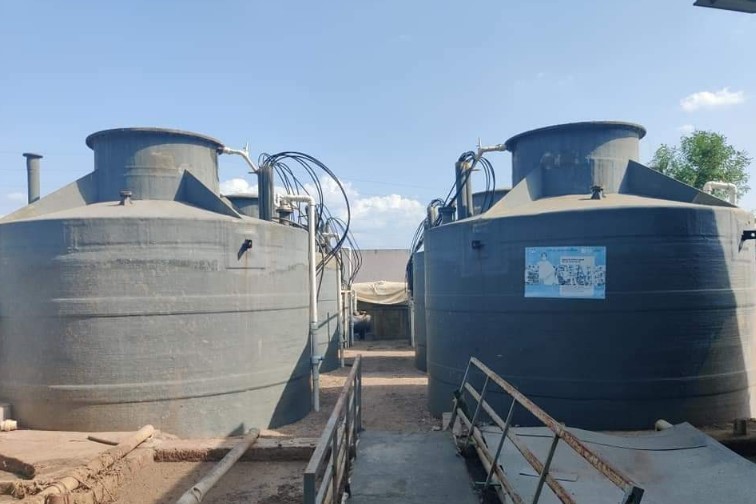
Biogas technology is gaining traction as a sustainable solution for energy generation and waste management. Among the various biogas plant manufacturers, Sanjivani Biogas has established itself as a reliable provider of biogas solutions for households, farms, and industries. However, understanding the cost, benefits, and return on investment (ROI) of a Sanjivani biogas plant is crucial before making an investment.
Factors Affecting the Price of a Sanjivani Biogas Plant
1. Plant Size and Capacity
- Small-scale plants (for households): Lower capacity, typically handling 1–10 cubic meters of biogas production per day.
- Medium-scale plants (for farms and small businesses): Handle 10–50 cubic meters of biogas per day.
- Large-scale plants (for industries and municipalities): Handle over 50 cubic meters per day, requiring advanced infrastructure.
2. Type of Digester
- Fixed Dome Digester: Generally more durable but involves higher initial construction costs.
- Floating Drum Digester: Easier to install but may require more maintenance over time.
- Bag Digester (Balloon Type): The most affordable option but with a shorter lifespan.
3. Raw Material Availability
- Plants designed for cow dung, food waste, or agricultural residue may have different costs due to varying feedstock handling requirements.
- A steady supply of organic waste is essential for consistent biogas production, influencing overall operational expenses.
4. Installation and Infrastructure Costs
- The total installation cost depends on the location, labor charges, and site preparation.
- Additional costs may arise for gas storage tanks, pipelines, and purification systems.
5. Government Subsidies and Incentives
- In many countries, government grants and subsidies reduce the upfront cost of installing biogas plants.
- Carbon credit programs may further enhance financial returns.
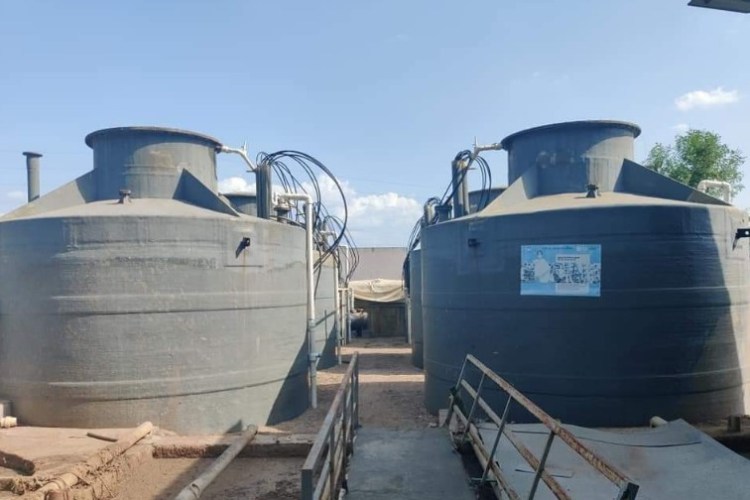
Benefits of Investing in a Sanjivani Biogas Plant
1. Cost Savings on Energy
- Biogas can replace LPG, natural gas, and diesel, reducing household and industrial energy expenses.
- Larger plants can generate electricity for internal use or grid supply, further lowering energy costs.
2. Efficient Waste Management
- Converts organic waste into energy, reducing landfill waste and associated environmental hazards.
- Reduces reliance on chemical fertilizers by producing nutrient-rich digestate as a by-product.
3. Environmental Benefits
- Reduces greenhouse gas emissions by capturing methane that would otherwise escape into the atmosphere.
- Decreases dependency on fossil fuels, contributing to a lower carbon footprint.
4. Income Generation
- Excess biogas can be sold to nearby businesses or utility companies.
- The digestate by-product can be marketed as organic fertilizer to farmers.
Return on Investment (ROI) Analysis
1. Payback Period
The ROI of a Sanjivani biogas plant depends on factors such as:
- Initial investment cost
- Savings on fuel and electricity
- Revenue from by-products (biogas and digestate)
- Government incentives and subsidies
For a small-scale plant, the payback period typically ranges from 2 to 4 years.
For a medium or large-scale plant, the payback period is generally 4 to 7 years, depending on operational efficiency and revenue generation.
2. Cost Savings and Revenue Estimation
Assuming a household biogas plant replaces two LPG cylinders per month, costing $10 each, the annual savings would be around $240. If digestate is sold for $100 per ton, additional revenue is generated.
For a farm or industrial plant, monthly savings on diesel or electricity bills could be $500 to $5,000, significantly improving ROI.
Challenges and Considerations
1. Initial Investment Barrier
While long-term savings are substantial, the high upfront cost may be a challenge for small businesses and households.
2. Maintenance Requirements
- Regular monitoring of digester efficiency, gas storage, and pipeline systems is required.
- Skilled labor may be needed for maintenance and troubleshooting.
3. Seasonal Feedstock Availability
- Dependence on agricultural residues or food waste may fluctuate seasonally, affecting biogas production consistency.
Conclusion
A Sanjivani biogas plant is a viable investment for those looking to reduce energy costs, manage waste efficiently, and contribute to environmental sustainability. While the initial cost may seem high, the long-term financial and environmental benefits outweigh the investment. With proper planning, government incentives, and efficient plant operation, businesses and households can achieve a strong return on investment within a few years.
 Manufacturer of biogas analyzer, landfill gas analyzer and extraction monitor, anaerobic digester gas analyzer