

As the world continues to face the challenges of climate change, the need for sustainable and renewable energy sources has never been more urgent. One promising solution that has garnered increasing attention is the conversion of biogas into liquefied natural gas (LNG). Biogas LNG represents a cleaner, greener alternative to traditional fossil fuels, offering both environmental and economic benefits. In this article, we explore how biogas LNG is revolutionizing the energy industry, providing a viable and sustainable energy solution.
What is Biogas LNG?
Biogas is a renewable energy source produced by the anaerobic digestion of organic materials, such as agricultural waste, food scraps, and sewage. The process generates a mixture of gases, primarily methane (CH₄) and carbon dioxide (CO₂), with trace amounts of other gases. While biogas can be used directly for heating and electricity generation, the process of converting it into liquefied natural gas (LNG) significantly enhances its usability and market potential.
Liquefied natural gas (LNG) is natural gas that has been cooled to a liquid state at approximately -162°C. This conversion reduces its volume by 600 times, making it easier to transport and store. Biogas LNG involves upgrading raw biogas to meet the same standards as natural gas and then liquefying it for easier distribution and use.
The Process of Biogas to LNG Conversion
1. Biogas Production:
- Biogas is generated in anaerobic digesters, where microorganisms break down organic matter in the absence of oxygen. This process yields a gas primarily composed of methane, which is the key component of LNG.
- During the biogas production process, a biogas analyzer is needed to monitor the composition of the biogas. For example, the OLGA2000 biogas online monitoring system uses advanced photoelectric sensing principles to detect and analyze methane (CH4), oxygen (O2), carbon dioxide (CO2), hydrogen sulfide (H2S) and other gases.
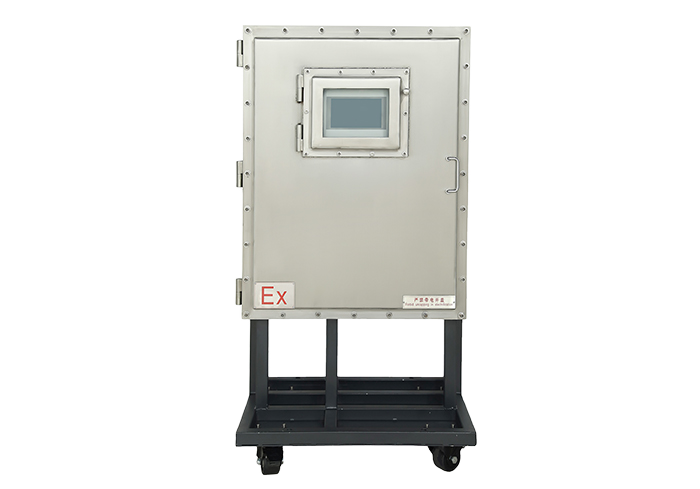
biogas online monitoring system OLGA2000
2. Purification:
Raw biogas contains impurities such as carbon dioxide (CO₂), hydrogen sulfide (H₂S), and moisture. To convert biogas into LNG, these impurities must be removed. Techniques such as pressure swing adsorption (PSA), membrane separation, and water scrubbing are used to separate CO₂ and other contaminants, increasing the methane content of the biogas.
3. Liquefaction:
Once purified, the methane-rich biogas is cooled to very low temperatures to turn it into liquid form. This process requires advanced refrigeration systems and equipment designed to handle the extreme cold needed for liquefaction.
4. Storage and Distribution:
The liquefied biogas is stored in specialized tanks and can be transported via ships, trucks, or pipelines. Due to its compact size in liquid form, LNG can be stored more efficiently, making it accessible to a broader range of users.
Benefits of Biogas LNG
1. Environmental Sustainability:
One of the most significant benefits of biogas LNG is its positive environmental impact. Traditional fossil fuels like coal, oil, and natural gas are major contributors to greenhouse gas emissions, which drive climate change. Biogas, on the other hand, is a renewable energy source that significantly reduces carbon emissions. By capturing methane from organic waste, biogas LNG prevents this potent greenhouse gas from being released into the atmosphere.
2. Reduced Reliance on Fossil Fuels:
Biogas LNG provides an alternative to conventional natural gas, which is extracted from finite fossil fuel reserves. By shifting to biogas-derived LNG, we can reduce our dependence on non-renewable resources and transition towards a more sustainable and circular economy.
3. Waste Management and Circular Economy:
Biogas production helps address the issue of organic waste disposal. Organic materials that would otherwise end up in landfills or incinerators can be turned into a valuable energy source. This aligns with the principles of the circular economy, where waste is minimized, and resources are reused.
4. Energy Security:
Biogas LNG offers energy independence, especially in rural or off-grid areas. By establishing local biogas production facilities, regions can produce their own renewable energy, reducing reliance on imported fossil fuels and enhancing energy security.
5. Economic Growth and Job Creation:
The biogas LNG industry creates economic opportunities by generating jobs in biogas production, liquefaction facilities, and distribution networks. Furthermore, it promotes investment in renewable energy infrastructure, leading to long-term economic growth.
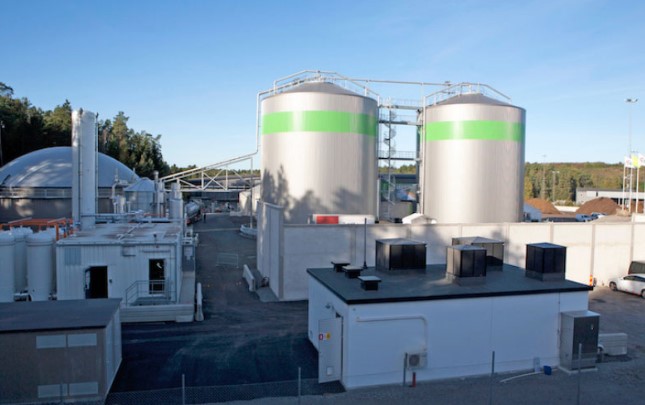
Challenges of Biogas LNG
1. High Initial Costs:
The setup of biogas-to-LNG systems requires significant capital investment, particularly for purification and liquefaction equipment. While the operational costs can be lower than fossil fuels in the long run, the upfront expenses can be a barrier for small businesses or communities.
2. Infrastructure Limitations:
The infrastructure for biogas LNG production and distribution is still developing in many parts of the world. Expanding LNG storage and transportation facilities is essential to make biogas LNG a viable and accessible energy source.
3. Technological Complexity:
Converting biogas into LNG requires advanced technologies and expertise. The process of liquefaction, in particular, is energy-intensive and requires specialized equipment, which can limit the scalability of the technology in some regions.
Conclusion
Biogas LNG represents a revolutionary shift towards cleaner, more sustainable energy solutions. By converting organic waste into a valuable energy source, biogas LNG not only reduces our reliance on fossil fuels but also helps mitigate climate change by cutting greenhouse gas emissions. As technology advances and infrastructure develops, biogas LNG has the potential to become a cornerstone of the global transition to renewable energy, providing a cleaner, greener alternative to fossil fuels for generations to come.
 Manufacturer of biogas analyzer, landfill gas analyzer and extraction monitor, anaerobic digester gas analyzer