
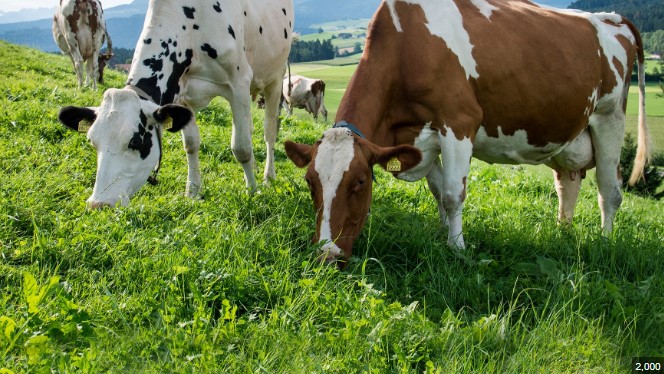
Dairy farms produce large amounts of manure, which, if not managed properly, can lead to environmental pollution and greenhouse gas emissions. However, methane digesters—also known as anaerobic digesters—offer a sustainable solution by converting manure into biogas and valuable byproducts. This technology not only reduces waste but also provides renewable energy, lowers operational costs, and contributes to climate change mitigation.
How Does a Methane Digester Work?
A methane digester is a sealed, oxygen-free tank that breaks down organic matter (such as cow manure) through microbial activity, producing biogas. The process occurs in four key stages:
1. Hydrolysis: Complex organic matter (proteins, carbohydrates, fats) is broken down into simpler compounds.
2. Acidogenesis: Bacteria convert these compounds into organic acids, alcohols, and gases like hydrogen and carbon dioxide.
3. Acetogenesis: Further breakdown of organic acids results in acetic acid, hydrogen, and CO₂.
4. Methanogenesis: Methanogenic microbes convert acetic acid and hydrogen into methane (CH₄), forming biogas.
It is necessary to monitor the composition of biogas. For example, OLGA1500 Online Biogas Monitoring System adopts laser sensing principle. It can realize the online monitoring of methane gas, which is fast, accurate and stable. OLGA1500 Online Biogas Monitoring System can be widely used in gas monitoring in landfill gas power plants, petrochemicals, coal mines and other scenarios, and can realize remote data transmission.
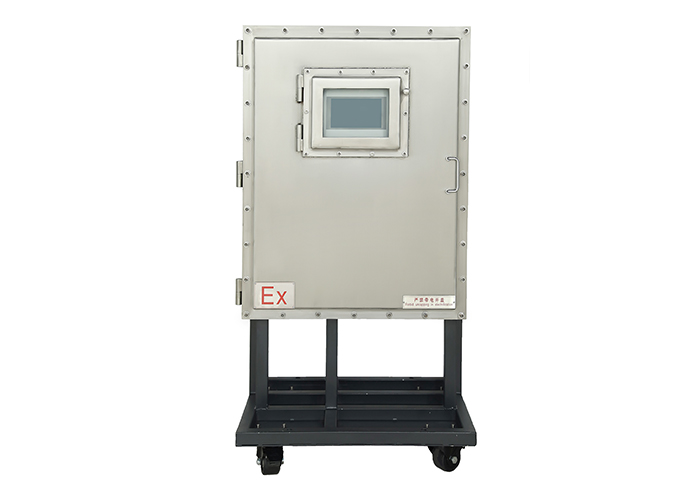
Online Biogas Monitoring System OLGA1500
Benefits of Methane Digesters on Dairy Farms
1. Waste Management and Pollution Control
- Reduces manure runoff, which can contaminate soil and water sources.
- Decreases odor emissions, improving air quality for farm workers and nearby communities.
- Lowers pathogen levels, reducing disease risks in livestock and the environment.
2. Renewable Energy Production
- Biogas (60–70% methane) can be used for electricity, heating, and even vehicle fuel after purification.
- Excess electricity can be sold to the grid, providing additional revenue.
- Upgraded biomethane (RNG) can replace fossil-based natural gas in industries and transportation.
3. Greenhouse Gas Reduction
- Manure naturally emits methane, a potent greenhouse gas (25x stronger than CO₂). Digesters capture and utilize this methane instead of releasing it into the atmosphere.
- Reduces reliance on fossil fuels, lowering carbon footprints.
4. Valuable Byproducts: Digestate as Organic Fertilizer
- The remaining digestate is rich in nutrients and can replace chemical fertilizers.
- Improves soil health by enhancing water retention and nutrient availability.
5. Economic Benefits for Farmers
- Lowers costs on electricity, fuel, and fertilizers.
- Creates new revenue streams by selling excess energy or biomethane.
- Government incentives, carbon credits, and subsidies help offset initial investment costs.

Real-World Examples of Dairy Farm Methane Digesters
1. Fair Oaks Farms (USA)
- Uses methane digesters to produce biogas for transportation fuel, powering milk delivery trucks.
- Reduces carbon emissions by 40,000 metric tons per year.
2. Arla Foods (Europe)
- Upgrades biogas to biomethane for natural gas grid injection.
- Supports sustainable milk production while cutting farm emissions.
3. India’s Small-Scale Dairy Digesters
- Thousands of small dairy farms use biogas for cooking and heating, reducing reliance on wood and LPG.
Conclusion
Methane digesters in dairy farms represent a win-win solution for waste management, renewable energy production, and climate change mitigation. As technology advances and policies support biogas expansion, more dairy farms worldwide will embrace this sustainable and profitable approach.
 Manufacturer of biogas analyzer, landfill gas analyzer and extraction monitor, anaerobic digester gas analyzer