

As the world shifts toward sustainable energy solutions, biogas and biomethane are emerging as crucial players in the renewable energy market. These bio-based fuels provide an alternative to fossil fuels, reduce greenhouse gas emissions, and promote circular economies by utilizing organic waste. With advancements in production technologies and increasing policy support, biogas and biomethane are playing a key role in the transition to a cleaner, greener energy future.
Understanding Biogas and Biomethane
What is Biogas?
Biogas is a renewable gas produced through anaerobic digestion—a process where microorganisms break down organic materials such as agricultural waste, food waste, and sewage sludge in an oxygen-free environment. The primary components of biogas are:
- Methane (CH₄) – 50–70% (main energy source)
- Carbon dioxide (CO₂) – 30–50%
- Trace gases (e.g., hydrogen sulfide, nitrogen, and hydrogen)
It is necessary to monitor the composition of biogas. For example, the OLGA2000 biogas online monitoring system uses advanced photoelectric sensing principles to detect methane (CH4), oxygen (O2), carbon dioxide (CO2), hydrogen sulfide (H2S), etc. It can be widely used in gas monitoring in landfill biogas power plants, petrochemical industry, coal mines and other scenarios, and can realize remote data transmission.
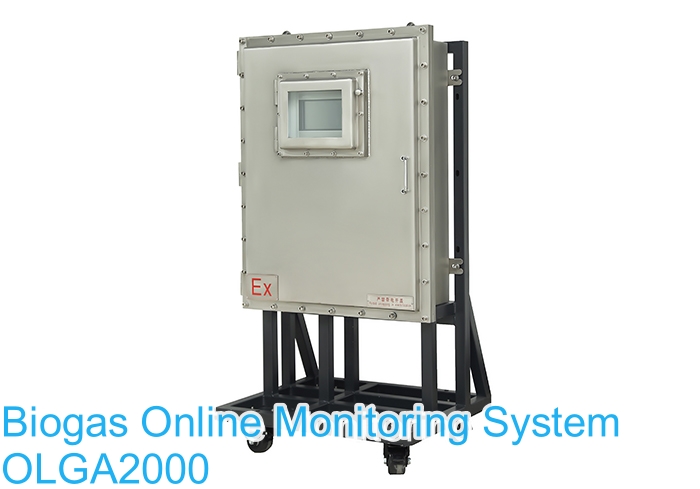
biogas online monitoring system OLGA2000
What is Biomethane?
Biomethane, also known as renewable natural gas (RNG), is purified biogas with a methane content of >95%, making it comparable to fossil-based natural gas. The purification process, known as biogas upgrading, removes CO₂, hydrogen sulfide, and other impurities, making biomethane suitable for direct injection into natural gas grids and use as a transport fuel.
How Biogas and Biomethane Are Transforming the Renewable Energy Market
1. Reducing Greenhouse Gas Emissions
Biogas and biomethane significantly reduce methane emissions from organic waste decomposition in landfills and agricultural operations. Instead of allowing methane to escape into the atmosphere—a gas that is 25 times more potent than CO₂ in trapping heat—biogas systems capture and use it for energy production. Additionally, biomethane can replace fossil fuels, reducing CO₂ emissions in transport and industry.
2. Decarbonizing the Transport Sector
Biomethane is increasingly used as a clean transportation fuel in compressed natural gas (CNG) and liquefied natural gas (LNG) vehicles. Countries such as Sweden, Germany, and the U.S. are expanding biomethane-powered transport fleets, including buses, trucks, and even ships. Compared to diesel and gasoline, biomethane reduces CO₂ emissions by up to 90% and minimizes air pollutants like nitrogen oxides and particulate matter.

3. Enhancing Energy Security and Diversification
Biogas and biomethane provide locally sourced energy, reducing dependence on imported fossil fuels. Countries investing in biomethane production can strengthen their energy security, stabilize energy prices, and support local economies. In the European Union, biomethane is seen as a strategic fuel to replace Russian gas imports, with an EU goal of producing 35 billion cubic meters (bcm) of biomethane annually by 2030.
4. Creating a Circular Economy
Biogas systems promote a circular economy by converting organic waste into valuable resources:
- Biogas for energy production (electricity, heat, transport fuel)
- Digestate (a byproduct rich in nutrients) used as a natural fertilizer in agriculture
This closes the loop on waste, reducing landfill dependency while improving soil health.
5. Powering Industries and the Grid
Biomethane is increasingly being injected into natural gas grids, allowing industries and households to access renewable energy. Large industrial users, including food processing plants, breweries, and manufacturing facilities, are integrating biomethane into their operations to reduce their carbon footprint and comply with sustainability targets.
Conclusion
Biogas and biomethane are reshaping the renewable energy market, offering sustainable alternatives to fossil fuels while reducing waste and emissions. With increasing technological advancements and policy support, these biofuels will play a vital role in achieving global net-zero emissions targets and building a more sustainable energy future.
 Manufacturer of biogas analyzer, landfill gas analyzer and extraction monitor, anaerobic digester gas analyzer