
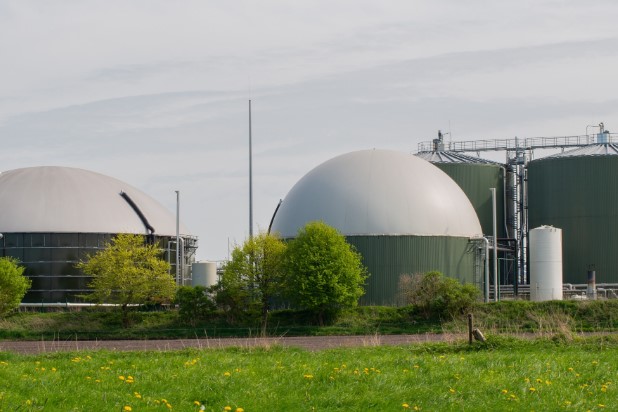
As the global energy sector transitions toward sustainability, biogas has emerged as a crucial component of the renewable energy mix. BP, a major player in the oil and gas industry, has been expanding its biogas initiatives to reduce carbon emissions and support cleaner energy alternatives. With strategic investments, acquisitions, and policy advocacy, BP is positioning biogas as a key solution for a low-carbon future.
1. BP’s Commitment to Biogas and Renewable Energy
BP has committed to net-zero emissions by 2050 and is actively shifting its portfolio toward renewable energy sources, including bioenergy and biogas. Biogas, primarily derived from organic waste materials, is converted into renewable natural gas (RNG), which can be used for transportation, power generation, and heating.
To accelerate its transition, BP has significantly increased its biogas investments, expanded production capacity, and formed key partnerships with industry leaders.
2. Major BP Biogas Initiatives
2.1 Acquisition of Archaea Energy
In 2022, BP acquired Archaea Energy, a leading U.S.-based biogas producer, for $4 billion. This acquisition marked a major milestone in BP’s bioenergy strategy by:
Expanding BP’s renewable natural gas portfolio.
Enhancing biogas production efficiency through advanced technology.
Strengthening BP’s market position in the biogas sector.
Since the acquisition, BP Biogas has increased its biogas supply by 80% and production volumes by 18%, reflecting its commitment to scaling up renewable energy solutions.
2.2 Launch of Renewable Natural Gas (RNG) Plants
BP launched its first RNG plant in Medora, Indiana, as part of its expansion into biogas infrastructure. This facility processes organic waste from landfills and farms, converting methane into a cleaner energy source. The Medora plant is expected to:
Reduce methane emissions by capturing and utilizing waste gas.
Supply low-carbon fuel to industries and transportation sectors.
Support BP’s broader sustainability goals in the United States.
2.3 Collaboration with Clean Energy Fuels Corp.
BP has strengthened its partnership with Clean Energy Fuels Corp. to develop RNG projects in the Midwest, particularly focusing on dairy farm waste. This initiative aims to:
Convert livestock waste into biogas, reducing greenhouse gas emissions.
Provide renewable fuel for transportation fleets, replacing diesel.
Support farmers by turning agricultural waste into a revenue-generating resource.
This collaboration is part of BP’s broader effort to decarbonize the transportation sector, especially heavy-duty trucking.
3. Policy Advocacy for Renewable Natural Gas
BP is actively involved in shaping policies to promote the growth of the biogas industry. Key areas of advocacy include:
Investment tax credits for biogas infrastructure to attract funding.
Recognition of RNG as a transportation fuel in low-carbon initiatives.
Incentives for methane capture projects to accelerate adoption.
BP argues that clear policies and regulatory support are essential for scaling up the biogas sector and achieving climate goals.
4. The Future of BP’s Biogas Strategy
BP’s 2024 Energy Outlook predicts a significant increase in bioenergy consumption, with modern bioenergy use potentially doubling by 2050. The company plans to:
Expand its biogas production capacity through new facility investments.
Integrate biogas with existing natural gas infrastructure to maximize efficiency.
Develop innovative technologies to enhance methane capture and utilization.
BP’s long-term vision is to position biogas as a mainstream energy source, contributing to a low-carbon, sustainable future.
Conclusion
BP’s biogas initiatives demonstrate its commitment to renewable energy innovation. Through strategic acquisitions, partnerships, and policy advocacy, BP is accelerating the adoption of biogas as a viable alternative to fossil fuels.
As the global demand for clean energy grows, BP’s investments in biogas production and RNG infrastructure will play a critical role in shaping the future of sustainable energy. By leveraging technology and policy support, BP is helping to drive the transition toward a greener and more resilient energy system.
 Manufacturer of biogas analyzer, landfill gas analyzer and extraction monitor, anaerobic digester gas analyzer