
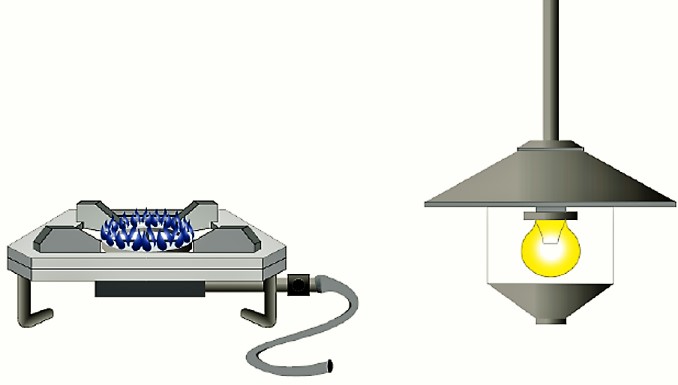
Access to reliable and affordable lighting remains a challenge in many rural areas worldwide. In regions where electricity infrastructure is limited or unreliable, alternative energy sources are essential. Biogas lighting systems offer a sustainable, cost-effective, and environmentally friendly solution for off-grid communities. By utilizing biogas produced from organic waste, these systems provide a clean and renewable source of illumination, improving living conditions and supporting rural development.
1. How Biogas Lighting Systems Work
1.1 Biogas Production
Organic waste materials such as animal manure, food scraps, and crop residues are fed into a biogas digester.
Microorganisms break down the waste in an oxygen-free environment, producing methane-rich biogas.
During the biogas production process, a biogas analyzer is needed to monitor the composition of the biogas. For example, the OLGA2000 biogas online monitoring system uses advanced photoelectric sensing principles to detect and analyze methane (CH4), oxygen (O2), carbon dioxide (CO2), hydrogen sulfide (H2S) and other gases.
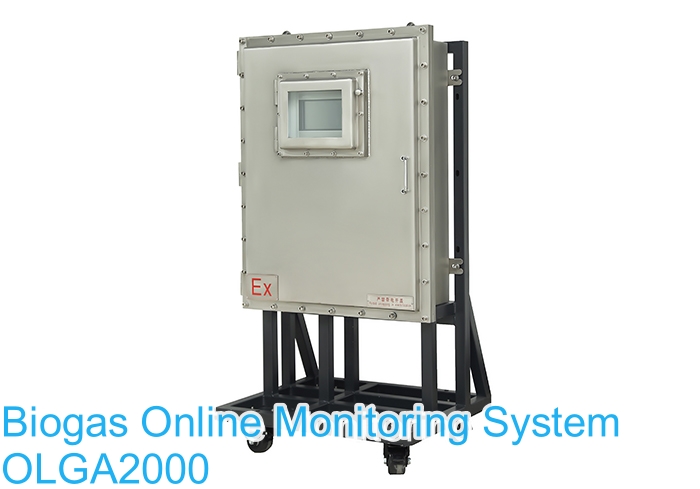
biogas online monitoring system OLGA2000
1.2 Biogas Distribution
The biogas is collected and stored in a gas holder or directly piped to lamps.
A pressure regulator ensures a steady gas flow to the lighting system.
1.3 Biogas Lamps and Burners
Biogas lamps use special burners designed to burn methane efficiently.
The flame heats a mantle, which glows brightly, providing a steady and high-intensity light source.
These systems can be installed in homes, schools, and community centers, replacing kerosene lamps and candles with a safer and more sustainable alternative.
2. Advantages of Biogas Lighting Systems
2.1 Environmentally Friendly
Reduces carbon emissions by using organic waste instead of fossil fuels.
Helps minimize deforestation by replacing wood-based fuels.
Converts waste into energy, promoting a circular economy.
2.2 Cost-Effective
Utilizes locally available waste materials, reducing dependence on costly fuel sources.
Requires minimal maintenance, lowering long-term operational costs.
Helps households save money on electricity and kerosene.
2.3 Health and Safety Benefits
No harmful smoke or soot, improving indoor air quality and preventing respiratory diseases.
Safer than kerosene lamps, which pose fire hazards in rural homes.
Reduces reliance on batteries and candles, decreasing toxic waste.
2.4 Reliable and Independent Energy Source
Provides consistent lighting even in areas with no electricity grid.
Works year-round, unlike solar energy, which depends on sunlight availability.
Can be scaled up for community-wide lighting systems.
3. Applications of Biogas Lighting in Rural Areas
3.1 Household Lighting
Biogas lamps provide bright, steady illumination for cooking, studying, and general household activities. Families no longer need to depend on dim, smoky kerosene lamps, improving quality of life.
3.2 Schools and Educational Facilities
Many rural schools lack proper lighting, making evening study sessions difficult. Biogas lamps offer:
Well-lit classrooms, extending study hours.
A cost-effective alternative to expensive diesel generators.
Healthier learning environments by eliminating kerosene fumes.
3.3 Community Centers and Public Spaces
Rural hospitals, clinics, and meeting halls benefit from reliable biogas lighting, enhancing:
Emergency healthcare services at night.
Social and economic activities after dark.
Security and safety in rural settlements.
3.4 Farms and Agricultural Uses
Farmers can use biogas lighting for:
Barns and livestock shelters, ensuring proper care at night.
Storage facilities, preventing spoilage and theft.
Irrigation and equipment maintenance, supporting agricultural productivity.
Conclusion
Biogas lighting systems provide a sustainable, low-cost, and eco-friendly solution for rural communities. By converting organic waste into clean energy, these systems reduce dependence on fossil fuels, improve health conditions, and support rural development.
 Manufacturer of biogas analyzer, landfill gas analyzer and extraction monitor, anaerobic digester gas analyzer