
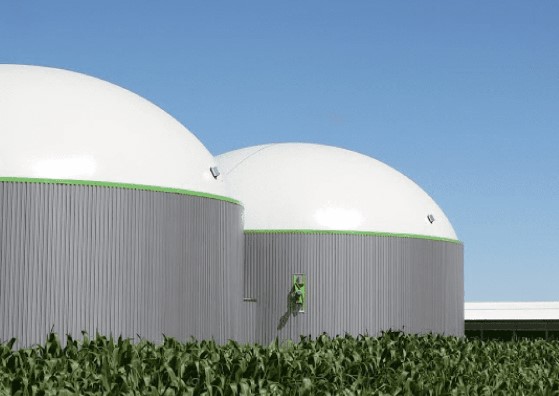
As the demand for renewable energy grows, biogas has emerged as a crucial alternative to fossil fuels. However, ensuring the efficiency and quality of biogas production requires accurate monitoring of gas composition. This is where biogas analyzers play a vital role. These devices measure methane (CH₄), carbon dioxide (CO₂), hydrogen sulfide (H₂S), and other gases to optimize production and ensure safety.
1. Key Factors Influencing Biogas Analyzer Prices
1.1 Type of Biogas Analyzer
Biogas analyzers come in different types, which directly affect their cost:
Portable Biogas Analyzers
- Designed for on-site, real-time analysis.
- Used by researchers, consultants, and small-scale producers.
- Prices depend on sensor accuracy, durability, and connectivity features.
- Such as the GASCHEK1000 portable biogas analyzer, use advanced photoelectric sensing principles to detect and analyze methane (CH4), oxygen (O2), carbon dioxide (CO2), hydrogen sulfide (H2S) and other gases, and accurately report , while effectively checking the digestive process.

Portable biogas analyzer GASCHEK1000
Fixed (Online) Biogas Analyzers
- Installed at biogas plants for continuous monitoring.
- Provide automated data logging and remote access.
- More expensive due to higher precision and integration with control systems.
1.2 Measurement Capabilities
The price of a biogas analyzer depends on the gases it can measure:
- Basic analyzers (CH₄ and CO₂ only) → More affordable
- Advanced analyzers (CH₄, CO₂, H₂S, O₂, NH₃, CO) → Higher price
- H₂S monitoring significantly increases costs because it requires specialized sensors due to its corrosive nature.
1.3 Sensor Technology
The type of sensors used affects accuracy, lifespan, and maintenance costs:
- Infrared (NDIR) sensors – Common for CH₄ and CO₂ measurement, reliable but more expensive.
- Electrochemical sensors – Used for H₂S and O₂, need regular calibration.
- Laser-based sensors – Highly precise but costly, often used in industrial applications.
- Higher-end analyzers use multi-sensor technology, increasing their price but improving performance.
1.4 Durability and Environmental Resistance
Biogas contains moisture and corrosive gases, so robust design is essential. Higher-priced analyzers feature:
- Corrosion-resistant materials (stainless steel, protective coatings).
- IP-rated enclosures for harsh environments.
- Longer sensor lifespan, reducing maintenance costs.
1.5 Data Logging and Connectivity
Modern biogas analyzers come with advanced connectivity features, impacting price:
- Basic models – Manual data recording.
- Mid-range models – USB or SD card storage.
- High-end models – Bluetooth, Wi-Fi, or cloud integration for remote monitoring.
- More expensive analyzers offer real-time analytics and integration with SCADA systems, useful for large-scale biogas plants.
1.6 Brand and Manufacturer
Prices also vary based on brand reputation and country of origin:
- European brands (Germany, UK) – Generally high-quality but more expensive.
- Asian brands (China, India) – More affordable with good features.
- US brands – Balance between performance and cost.
2. Price Trends in the Biogas Analyzer Market
2.1 Increasing Demand for Smart Monitoring
- IoT-enabled analyzers are gaining popularity, allowing remote monitoring via mobile apps and cloud platforms.
- AI-powered analytics help optimize biogas plant efficiency, pushing demand for high-end models.
- 2.2 Growth in Biogas Projects Worldwide
- Governments are incentivizing biogas production, increasing the need for reliable analyzers.
- Developing countries are investing in cost-effective analyzers to support rural and agricultural biogas systems.
2.3 Sensor Technology Advancements
New sensor materials are extending lifespan and reducing maintenance, leading to better value for money.
Hybrid analyzers that combine NDIR, electrochemical, and laser sensors are improving accuracy and stability.
2.4 Price Reductions in Basic Models
Increased competition has led to lower prices for entry-level analyzers.
More manufacturers are offering affordable solutions for small and medium-sized biogas plants.
3. Choosing the Right Biogas Analyzer
3.1 Key Considerations for Buyers
Purpose: Is it for research, small farms, or industrial biogas plants?
Gas composition: Does it require H₂S, O₂, or NH₃ monitoring?
Budget: Balancing cost with required features.
Maintenance requirements: Long-term sensor stability and ease of calibration.
3.2 Cost vs. Long-Term Investment
While cheaper models may seem attractive, higher-quality analyzers reduce:
Sensor replacement costs.
Downtime and inaccurate readings.
Long-term operational expenses.
Conclusion
Biogas analyzer prices vary depending on features, sensor technology, durability, and brand. While basic models are available for smaller projects, high-end analyzers with smart features are gaining popularity in industrial applications. As technology advances and competition increases, prices are expected to become more affordable, making biogas monitoring more accessible worldwide.
 Manufacturer of biogas analyzer, landfill gas analyzer and extraction monitor, anaerobic digester gas analyzer