
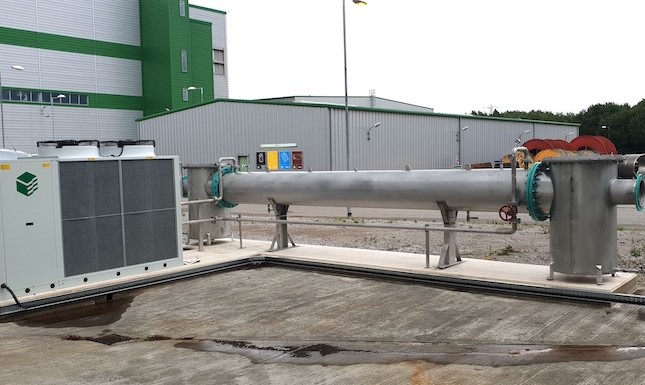
Biogas is a renewable energy source that is gaining global recognition for its environmental and economic benefits. Produced through the anaerobic digestion of organic waste, biogas primarily consists of methane and carbon dioxide. Its versatility allows it to be used in multiple applications, making it an essential component of sustainable energy solutions. This article explores the uses of biogas energy in daily life and how it contributes to a cleaner and more energy-efficient future.
1. Biogas for Cooking and Heating
One of the most common uses of biogas is for cooking and heating, particularly in rural and off-grid areas. Biogas stoves function similarly to conventional gas stoves but use purified biogas as fuel.
Benefits:
- Provides a clean alternative to firewood and charcoal, reducing indoor air pollution.
- Helps households and communities save on fuel costs.
- Reduces deforestation by minimizing the need for wood-based fuels.
- Many small-scale biogas digesters are installed in homes, farms, and community centers to provide a continuous source of cooking gas, improving energy security in remote regions.
2. Electricity Generation
Biogas can be used to generate electricity through biogas-powered generators or combined heat and power (CHP) systems. These systems convert the methane in biogas into electrical energy, which can be used for domestic, industrial, and commercial applications.
Applications:
- Rural electrification: Many communities use biogas generators to provide electricity where grid access is limited.
- Industrial power supply: Businesses, farms, and factories use biogas as a backup or primary energy source.
- Grid integration: In some countries, surplus electricity from biogas plants is fed into the national power grid, contributing to renewable energy production.
3. Vehicle Fuel (Biogas to Bio-CNG Conversion)
Biogas can be upgraded to biomethane, also known as bio-compressed natural gas (Bio-CNG), which serves as a clean alternative to traditional fossil fuels. This process removes impurities such as carbon dioxide and hydrogen sulfide, making biomethane suitable for transportation.
Advantages of Bio-CNG as a Vehicle Fuel:
- Lower emissions compared to diesel and gasoline.
- Cost-effective for public transport and logistics companies.
- Reduces dependency on fossil fuels, contributing to energy independence.
Countries such as Sweden, Germany, and India have introduced biogas-powered buses and taxis, demonstrating its potential as a sustainable fuel for the transport sector.
4. Agricultural Applications
Biogas energy plays a vital role in agriculture and livestock management, offering multiple benefits to farmers.
Uses in Agriculture:
- Farm machinery fuel: Biomethane can be used to power tractors and other agricultural equipment.
- Greenhouse heating: Biogas is used to heat greenhouses, providing an energy-efficient solution for crop production in colder climates.
- Organic fertilizer production: The byproduct of biogas production, known as digestate, is a nutrient-rich organic fertilizer that improves soil quality and enhances crop yields.
- By integrating biogas technology into agricultural systems, farmers can reduce waste, lower energy costs, and increase productivity.
5. Waste Management and Sanitation
Biogas technology is instrumental in managing organic waste efficiently. It provides an environmentally friendly solution to handle municipal solid waste, sewage, and industrial waste.
Applications in Waste Management:
- Sewage treatment plants: Many wastewater treatment facilities use anaerobic digestion to produce biogas from sewage sludge, generating energy while reducing waste.
- Municipal waste processing: Organic waste from households and markets can be converted into biogas, reducing landfill waste and greenhouse gas emissions.
- Industrial waste utilization: Factories in food processing, breweries, and dairy industries use biogas plants to manage waste efficiently.
- By turning waste into energy, biogas technology supports circular economy principles, where waste is repurposed into valuable resources.
6. Biogas for Industrial Heating and Cooling
Industries that require heat and cooling systems can benefit from biogas as a sustainable energy source. Many manufacturing facilities use biogas-powered boilers and steam turbines for industrial heating applications.
Industrial Uses of Biogas:
- Food processing industries use biogas for pasteurization and drying.
- Textile and paper industries utilize biogas for steam generation.
- Cold storage facilities use biogas-powered absorption chillers for cooling applications.
- Using biogas in industrial settings reduces carbon emissions and lowers operational costs for businesses.
Conclusion
The diverse applications of biogas energy make it one of the most promising renewable energy sources available today. From household cooking to industrial power generation, biogas offers a clean, cost-effective, and sustainable alternative to fossil fuels.
 Manufacturer of biogas analyzer, landfill gas analyzer and extraction monitor, anaerobic digester gas analyzer