
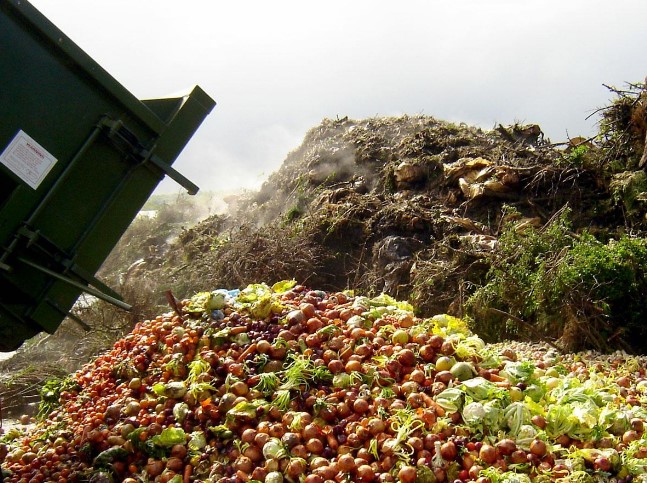
As the world seeks cleaner and more sustainable energy sources, biogas production has emerged as a game-changing solution. Biogas, a renewable fuel generated from organic waste, helps address two major global challenges—waste management and energy security. With advancements in technology, the efficiency and scalability of biogas production have significantly improved, making it a viable alternative to fossil fuels.
Understanding Biogas Production
Biogas is primarily composed of methane (CH₄) and carbon dioxide (CO₂), with small amounts of other gases like hydrogen sulfide (H₂S). It is produced through anaerobic digestion (AD), a biological process where microorganisms break down organic materials in an oxygen-free environment.
Common Biogas Feedstocks
- Agricultural waste (crop residues, manure)
- Food waste (leftovers, fruit and vegetable peels)
- Municipal solid waste (organic fraction of household waste)
- Industrial waste (brewery, dairy, and slaughterhouse waste)
- Sewage sludge (wastewater treatment by-products)
Innovative Techniques in Biogas Production
1. Co-Digestion for Enhanced Biogas Yield
Co-digestion is the simultaneous digestion of multiple organic waste types to improve gas production and nutrient balance. For example, mixing food waste with animal manure provides a balanced carbon-to-nitrogen ratio, boosting microbial activity and increasing methane yield by up to 40% compared to single-feedstock digestion.
Key Benefits:
- Higher methane production
- Better nutrient balance
- Reduced system clogging
2. Advanced Pretreatment Methods
Pretreatment enhances the breakdown of complex organic materials, making them more digestible for microbes. Some advanced methods include:
- Thermal Pretreatment: Heating biomass to 70–100°C improves its degradability, increasing gas yield.
- Chemical Pretreatment: Using acids, alkalis, or enzymes to break down tough plant fibers.
- Mechanical Pretreatment: Shredding or grinding feedstock increases surface area for microbial action.
These techniques accelerate digestion and lead to higher biogas output.
3. Two-Stage Anaerobic Digestion
Traditional single-stage digesters combine all digestion phases in one reactor. In two-stage systems, the process is separated into:
1. Hydrolysis and Acidogenesis: Organic matter is broken down into simpler compounds.
2. Methanogenesis: Microbes convert these compounds into methane.
Key Benefits:
- Faster digestion
- Higher methane yield
- Better process control and stability
4. Membrane Biogas Upgrading Technology
Raw biogas contains impurities like CO₂ and H₂S. Membrane separation technology uses selective membranes to remove unwanted gases, purifying biogas to >95% methane content. The result is biomethane, which can be used as:
- A direct replacement for natural gas
- A transportation fuel (Compressed Biogas or Bio-CNG)
- A source of electricity generation
This technology is energy-efficient, compact, and suitable for both small and large-scale plants.
5. Smart Biogas Monitoring Systems
Modern biogas plants are integrating IoT (Internet of Things) sensors and AI-based analytics to optimize digestion conditions. These systems:
- Monitor pH levels, temperature, and gas composition in real-time.
- Automatically adjust conditions for maximum efficiency.
- Detect and prevent system failures before they happen.
For example, the OLGA1500 Online Biogas Monitoring System adopts laser sensing principle. It can realize the online monitoring of methane gas, which is fast, accurate and stable. OLGA1500 Online Biogas Monitoring System can be widely used in gas monitoring in landfill gas power plants, petrochemicals, coal mines and other scenarios, and can realize remote data transmission.
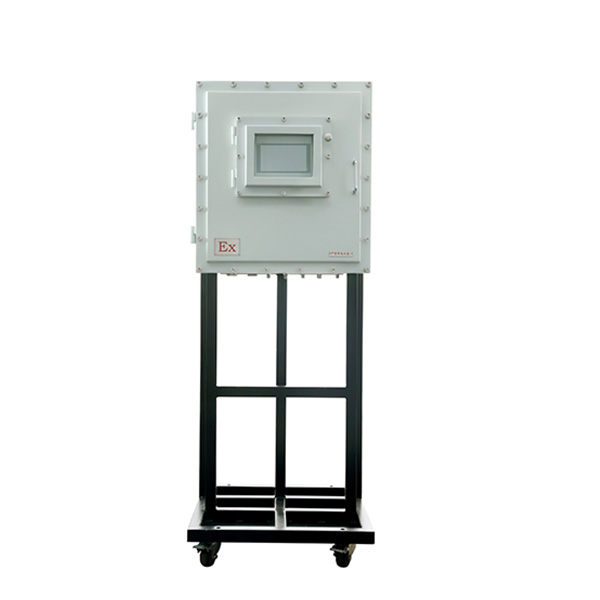
Online Biogas Monitoring System OLGA1500
6. Dry Fermentation for Solid Organic Waste
Traditional biogas digesters require a high water content. Dry fermentation, however, allows solid waste (like crop residues) to be processed with minimal water use.
Key Benefits:
- Works with high-solids feedstock
- Reduces water consumption
- Ideal for arid regions and agricultural waste processing
7. Algae-Based Biogas Production
Algae can be grown in wastewater and used as a high-yield feedstock for biogas. Compared to traditional crops, algae grow faster, absorb CO₂, and do not compete with food production.
Key Benefits:
- High biogas yield
- Carbon-neutral process
- Sustainable use of wastewater
- Scaling Up Biogas Production
1. Modular Biogas Systems
Prefabricated modular biogas plants offer a plug-and-play solution for rural households, farms, and small businesses. These systems:
Are easy to install and operate.
Can be expanded based on demand.
Reduce reliance on fossil fuels for cooking and heating.
2. Integration with Renewable Energy Sources
Hybrid energy systems that combine biogas with solar and wind power improve energy reliability. For instance:
Solar panels power biogas plant pumps and sensors during the day.
Biogas generators provide backup power at night or during cloudy periods.
This synergistic approach ensures continuous energy supply.
3. Community Biogas Projects
Large-scale community biogas plants can serve multiple households, reducing costs and increasing accessibility. Countries like India, China, and Germany are promoting village-level biogas plants to power homes, schools, and small businesses.
Conclusion
Innovative production of biogas techniques are revolutionizing the renewable energy sector. From advanced pretreatment methods to AI-powered monitoring systems, these innovations enhance efficiency, increase methane yields, and expand the application of biogas technology.
 Manufacturer of biogas analyzer, landfill gas analyzer and extraction monitor, anaerobic digester gas analyzer