
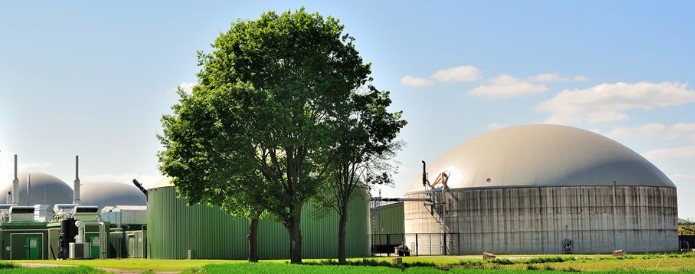
As the world continues to grapple with climate change, resource depletion, and environmental degradation, biogas companies are emerging as trailblazers in the shift toward renewable energy solutions. By harnessing the power of organic waste and converting it into clean, sustainable energy, these companies are playing a critical role in addressing global energy demands while promoting environmental sustainability. Through innovation, technology, and a commitment to the circular economy, biogas companies are proving that waste can be transformed into a valuable resource that benefits both the planet and society.
What is Biogas?
Biogas is a renewable energy source produced by the anaerobic digestion of organic matter such as food waste, agricultural residues, livestock manure, and sewage sludge. Through this natural process, microorganisms break down the organic material in the absence of oxygen, producing biogas primarily composed of methane (CH₄) and carbon dioxide (CO₂). The methane in the biogas is a flammable gas that can be used for cooking, heating, electricity generation, and even transportation when upgraded to biomethane.
Biogas is a clean alternative to fossil fuels, as it produces far fewer greenhouse gases and pollutants when compared to coal, oil, or natural gas. The waste that would otherwise end up in landfills or be burned is utilized to generate renewable energy, creating a circular system that reduces waste, mitigates climate change, and promotes sustainable development.
Role of Biogas Companies in Renewable Energy Solutions
Biogas companies are essential players in the renewable energy sector. They are responsible for designing, building, and operating biogas plants that convert organic waste into biogas. These companies provide a range of services and solutions, from waste management and biogas production to energy generation and distribution. Here are the key contributions that biogas companies are making toward renewable energy:
1. Waste-to-Energy Technology:
Biogas companies are at the forefront of waste-to-energy technology, taking organic waste from various sources (agriculture, food industry, sewage, etc.) and converting it into usable energy. By doing so, they help reduce landfill waste, prevent methane emissions, and produce clean energy that can power homes, industries, and businesses.
Through anaerobic digestion, biogas plants generate renewable energy while also producing digestate, a nutrient-rich byproduct that can be used as organic fertilizer for agriculture.
2. Providing Renewable Energy to Communities:
Biogas companies play a crucial role in providing off-grid communities and rural areas with access to clean, renewable energy. In regions where conventional energy infrastructure is absent or unreliable, biogas systems offer an affordable and sustainable solution to meet the energy needs of households and businesses.
By converting organic waste into electricity or cooking gas, biogas companies help these communities become energy independent, improve their quality of life, and reduce dependence on harmful energy sources like firewood and kerosene.
3. Supporting Sustainable Agriculture:
Biogas systems can be integrated with agricultural operations to help farmers reduce their carbon footprint, improve waste management, and enhance soil health. Agricultural waste products such as manure, crop residues, and food scraps can be converted into biogas, which not only provides a renewable energy source but also produces digestate, a high-quality organic fertilizer.
By offering sustainable waste management solutions and improving soil fertility, biogas companies support farmers in adopting more sustainable agricultural practices that benefit both the environment and crop yields.
4. Creating Jobs and Economic Opportunities:
The growing biogas industry has the potential to create thousands of jobs worldwide in areas such as plant construction, operation, waste collection, and technical support. Biogas companies can foster local economic development by providing stable employment and contributing to the growth of green economies.
Additionally, biogas systems help generate income for rural communities by creating revenue streams from the sale of energy (such as electricity or biomethane) and byproducts like digestate, which can be sold as organic fertilizer.
5. Reducing Greenhouse Gas Emissions:
By capturing methane produced from organic waste (which would otherwise be released into the atmosphere), biogas companies significantly reduce greenhouse gas emissions. Methane is a potent climate pollutant, and diverting organic waste from landfills and waste incineration reduces its harmful environmental impact.
Biogas is considered carbon-neutral because the carbon dioxide released during its combustion is offset by the carbon absorbed by the organic material during its growth. As a result, biogas production plays a significant role in mitigating climate change and reducing overall carbon footprints.

Innovative Solutions by Biogas Companies
1. Upgrading Biogas to Biomethane:
Biogas companies are increasingly focusing on upgrading biogas to biomethane, a purified form of methane that can be used as a direct replacement for natural gas in transportation, heating, and industrial applications. Biomethane is a renewable fuel that can be injected into the natural gas grid or used as an alternative fuel for vehicles, making it an essential component of the clean energy transition.
2. Microbial Fuel Cells (MFCs):
Some biogas companies are exploring the use of microbial fuel cells (MFCs) to generate electricity from the breakdown of organic matter. MFCs use bacteria to convert the chemical energy in organic waste directly into electrical energy, offering a more efficient and sustainable way to produce power from waste.
3. Advanced Digesters and Modular Systems:
Biogas companies are developing advanced digesters that can handle a wider variety of feedstocks, including industrial and food waste, and operate at higher efficiencies. These new systems are also more modular, allowing for scalable solutions that can be tailored to the specific energy needs of a community or business.
4. Integration with Smart Grids and Energy Storage:
To improve the reliability and flexibility of biogas-generated energy, many biogas companies are integrating their systems with smart grids and energy storage solutions. This enables biogas plants to provide a more stable and consistent energy supply, even during periods of fluctuating demand or supply.
Biogas companies are playing a crucial role in advancing renewable energy solutions and driving the transition to a more sustainable, low-carbon future. By transforming organic waste into clean energy and organic fertilizer, these companies are addressing key environmental challenges, supporting economic growth, and promoting energy security. Through ongoing innovation, investment, and collaboration, biogas companies are helping to build a cleaner, more sustainable world—one that is powered by renewable energy and grounded in the principles of waste reduction, resource efficiency, and environmental stewardship.
 Manufacturer of biogas analyzer, landfill gas analyzer and extraction monitor, anaerobic digester gas analyzer