
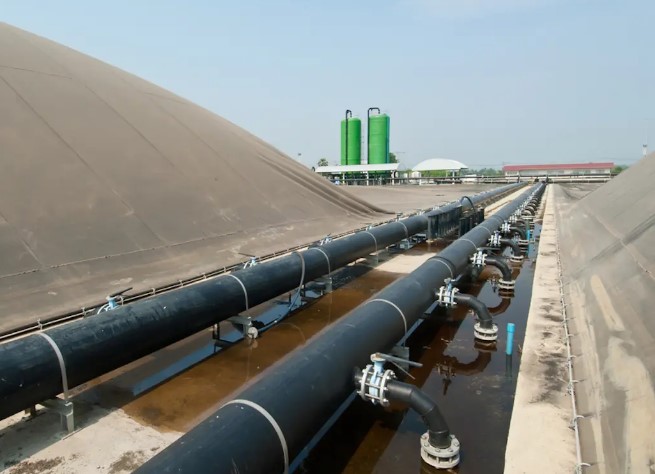
As the world transitions toward more sustainable energy sources, bioelectric biogas is emerging as a powerful solution to meet the growing demand for clean energy while supporting environmental conservation. This innovative energy source combines the benefits of biogas with bioelectricity, offering a dual-purpose approach to addressing energy needs and reducing environmental impacts. By tapping into organic waste and converting it into bioelectricity, bioelectric biogas is helping communities become more self-sufficient, resilient, and sustainable.
What is Bioelectric Biogas?
Bioelectric biogas refers to the use of biogas (a renewable energy source produced by the anaerobic digestion of organic matter) to generate electricity through microbial fuel cells or biogas-powered generators. It involves two core elements:
1. Biogas Production: Organic waste such as agricultural residues, food scraps, livestock manure, or wastewater is decomposed by bacteria in the absence of oxygen, producing biogas (mainly methane, CH₄).
2. Electricity Generation: The biogas is burned to produce electricity, or it is used in microbial fuel cells (MFCs), which generate bioelectricity through the interaction between microorganisms and electrodes.
How Bioelectric Biogas Works
1. Collection of Organic Waste:
Organic waste from agricultural farms, households, and industries is collected as the primary feedstock for biogas production.
Common materials include food waste, manure, crop residues, and even wastewater.
2. Anaerobic Digestion:
The collected organic waste is fed into an airtight biogas digester, where anaerobic bacteria break down the material in the absence of oxygen. This process produces biogas, primarily composed of methane and carbon dioxide. It is necessary to monitor the composition of biogas. For example, the OLGA2000 biogas online monitoring system uses advanced photoelectric sensing principles to detect methane (CH4), oxygen (O2), carbon dioxide (CO2), hydrogen sulfide (H2S), etc. It can be widely used in gas monitoring in landfill biogas power plants, petrochemical industry, coal mines and other scenarios, and can realize remote data transmission.
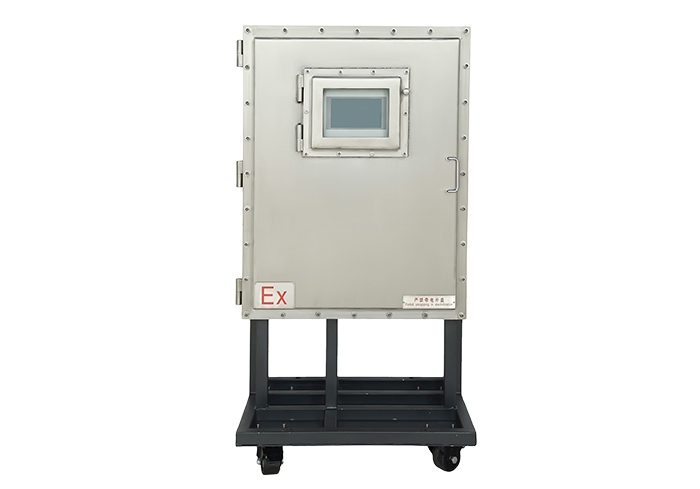
biogas online monitoring system OLGA2000
3. Electricity Generation:
The biogas is either burned in a generator to produce electricity or used in microbial fuel cells (MFCs). In MFCs, bacteria degrade the organic matter, releasing electrons that generate electricity.
The generated electricity can be used to power homes, farms, businesses, and even entire communities.
4. By-products:
The remaining material from the anaerobic digestion process, called digestate, is rich in nutrients and can be used as a high-quality organic fertilizer, completing the circular economy process.
Applications of Bioelectric Biogas
1. Rural and Off-Grid Communities:
Bioelectric biogas is especially beneficial in areas where the electrical grid is either unreliable or non-existent. Small-scale biogas plants can provide a reliable power source for rural households, small businesses, and community centers.
In regions with limited access to conventional energy sources, this form of power can help communities achieve energy independence and reduce dependence on costly and polluting alternatives like kerosene.
2. Agricultural Operations:
Farms, especially those with livestock, produce significant amounts of manure, which can be used to generate bioelectric biogas. This energy can be used to power farm operations, irrigation systems, and processing facilities, significantly reducing operating costs.
3. Wastewater Treatment Plants:
Wastewater treatment facilities produce large quantities of organic waste. By implementing bioelectric biogas systems, these facilities can use the waste to generate electricity, offsetting operational costs while contributing to environmental protection by reducing methane emissions.
4. Urban Areas:
Urban settings, particularly those with a lot of food waste and organic waste, can also benefit from bioelectric biogas. Through waste-to-energy plants, cities can reduce landfill waste and generate electricity, reducing the urban carbon footprint.
Environmental and Social Benefits of Bioelectric Biogas
1. Reduction in Greenhouse Gas Emissions:
Traditional waste disposal methods, such as landfills or open burning, release methane, a potent greenhouse gas. Bioelectric biogas systems capture methane from organic waste and use it for energy production, helping to mitigate climate change.
Furthermore, bioelectric biogas systems reduce the need for fossil fuels, contributing to a cleaner energy mix and lower carbon emissions.
2. Waste Management and Resource Efficiency:
Bioelectric biogas offers a sustainable solution for managing organic waste. By converting waste into energy and fertilizer, it helps reduce landfill use, lowers waste management costs, and reduces environmental pollution.
This process creates a circular economy, where waste is continuously recycled into valuable resources such as energy and fertilizer.
3. Energy Security and Independence:
Communities that implement bioelectric biogas systems gain energy security, especially in areas where access to conventional energy sources is limited. By generating their own electricity from local organic waste, these communities become more resilient to energy supply disruptions and price fluctuations.
4. Improved Soil Health:
The digestate produced during biogas generation is a nutrient-rich organic fertilizer. This digestate can be used to improve soil health and increase agricultural productivity, reducing the need for chemical fertilizers that can harm the environment.

Economic Benefits of Bioelectric Biogas
1. Cost-Effective Energy Production:
Bioelectric biogas offers an affordable energy solution by utilizing waste products that are often free or inexpensive to source. For farmers and small businesses, the savings from reduced energy costs can be significant.
Additionally, by generating biogas, communities can sell surplus electricity to the grid, providing a new revenue stream.
2. Job Creation:
The construction, operation, and maintenance of bioelectric biogas systems can create local employment opportunities, especially in rural and underserved areas. These jobs can range from farm laborers collecting organic waste to technicians and engineers maintaining biogas plants.
3. Increased Agricultural Productivity:
The use of digestate as organic fertilizer enhances crop yields and promotes sustainable farming practices. Farmers can benefit from reduced input costs for fertilizers while increasing productivity, making agriculture more profitable and environmentally friendly.
Bioelectric biogas is a game-changing solution that harnesses organic waste to generate clean, renewable energy. By providing energy security, promoting sustainable waste management, and supporting local economies, this technology is helping communities move towards greater self-sufficiency and resilience.
 Manufacturer of biogas analyzer, landfill gas analyzer and extraction monitor, anaerobic digester gas analyzer