
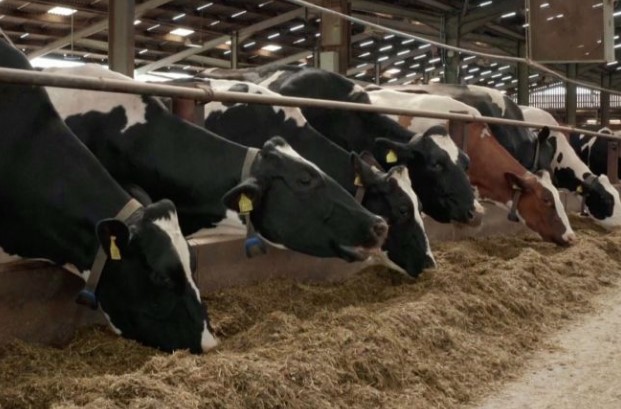
As the world moves toward greener, cleaner energy solutions, one of the most innovative and eco-friendly sources of renewable energy is methane gas derived from cow dung. This waste product, often viewed as a byproduct of livestock farming, holds immense potential for generating clean, sustainable energy. Harnessing methane from cow dung is not only a solution for reducing greenhouse gas emissions but also an effective way to address waste management and create a circular economy.
What is Methane Gas from Cow Dung?
Methane gas is a natural byproduct of anaerobic digestion, a process in which microorganisms break down organic material in the absence of oxygen. Cow dung, rich in organic matter, is an ideal substrate for this process. When collected and stored in an anaerobic environment, the organic material in cow dung decomposes, producing biogas, a mixture of methane (CH₄) and carbon dioxide (CO₂).
The Process of Producing Methane Gas from Cow Dung
1. Collection of Cow Dung:
Fresh cow dung is collected from farms or livestock operations.
The dung is typically mixed with water to create a slurry, making it easier to process.
2. Anaerobic Digestion:
The slurry is placed in an airtight container, such as a biogas digester, where microorganisms break down the organic matter in the absence of oxygen.
This process generates biogas, which contains a high concentration of methane.
3. Gas Collection and Storage:
The biogas rises to the top of the digester and is captured in a gas storage tank.
Methane is separated from the carbon dioxide and other trace gases to ensure that it is of high enough quality to be used as a fuel.
4. Utilization of Methane Gas:
The purified methane can be used as a clean, renewable fuel for cooking, heating, and electricity generation.
In some cases, the methane is upgraded to biomethane, which can be used in vehicles or injected into natural gas grids.
5. Digestate as Fertilizer:
After the methane is extracted, the remaining material, known as digestate, is rich in nutrients like nitrogen, phosphorus, and potassium.
This digestate can be used as a high-quality organic fertilizer for agricultural purposes.
Applications of Methane Gas from Cow Dung
1. Domestic Cooking and Heating:
Methane derived from cow dung can be used in biogas stoves for cooking and heating, especially in rural areas where access to conventional fuels is limited.
This reduces the reliance on firewood and kerosene, leading to fewer deforestation activities and reduced air pollution.
2. Electricity Generation:
Biogas plants powered by methane from cow dung can generate electricity for homes, farms, and even entire villages.
This form of energy production is particularly beneficial in off-grid areas where access to electricity is unreliable or unavailable.
3. Transportation Fuel:
Methane gas, once purified and upgraded to biomethane, can be used as a renewable fuel for vehicles.
Biogas-powered vehicles can help reduce dependence on fossil fuels, lowering carbon emissions from the transportation sector.
4. Industrial Applications:
Methane can also be used in industries for heating, power generation, and even in the production of bioplastics.
Environmental Benefits of Methane from Cow Dung
1. Reduction of Greenhouse Gas Emissions:
Cow dung, when left untreated, produces methane, a potent greenhouse gas that contributes to climate change. By capturing this methane for energy production, its release into the atmosphere is prevented.
Biogas systems help mitigate climate change by reducing the amount of methane emitted from livestock waste.
2. Waste Management:
Cow dung is a common waste product in agricultural systems. Biogas production offers a sustainable way to manage this waste, preventing it from being disposed of in landfills or left to decompose improperly, which can lead to pollution of water and soil.
3. Reduction in Deforestation:
In many parts of the world, firewood is the primary cooking fuel. By providing an alternative fuel source in the form of biogas from cow dung, the pressure on forests is reduced, helping to curb deforestation and protect biodiversity.
4. Improved Soil Quality:
The digestate produced from biogas production is an excellent organic fertilizer. It enhances soil health by replenishing nutrients that are essential for crop growth, reducing the need for chemical fertilizers.
Economic Benefits of Methane from Cow Dung
1. Cost-Effective Energy Source:
Methane produced from cow dung is a cost-effective alternative to traditional fossil fuels. It is particularly advantageous in rural areas where energy infrastructure is lacking or expensive.
The cost of setting up a biogas plant is often offset by the savings in energy costs, as well as the potential for income from selling excess energy.
2. Job Creation:
Biogas projects create job opportunities in rural areas, including for those involved in the collection of cow dung, the construction of biogas plants, and the maintenance of the systems.
3. Diversified Income for Farmers:
Farmers can generate additional income by selling the methane gas for energy production or by utilizing the digestate as a high-quality fertilizer, improving crop yields and reducing dependence on external fertilizer suppliers.
Methane gas from cow dung offers a powerful and eco-friendly solution to both energy and waste management challenges. By capturing methane and using it as a renewable fuel, farmers and communities can reduce their environmental footprint, lower energy costs, and generate additional income.
 Manufacturer of biogas analyzer, landfill gas analyzer and extraction monitor, anaerobic digester gas analyzer