
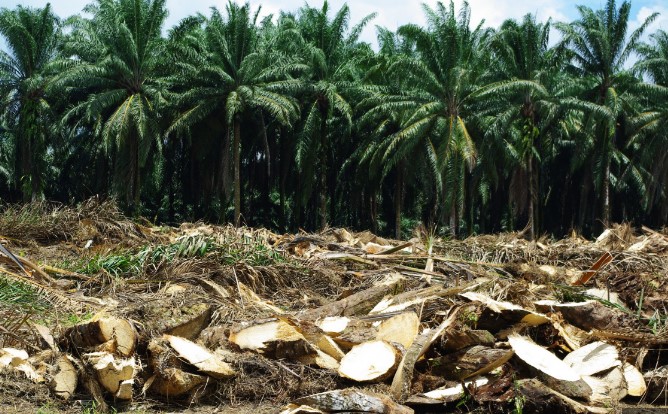
Agriculture is the backbone of many economies, producing food, fiber, and raw materials for industries. However, the sector also generates significant amounts of waste, including crop residues, animal manure, and other organic byproducts. Rather than letting this waste go unused or contribute to pollution, it can be converted into biogas, a renewable energy source that powers homes, industries, and vehicles.
What is Biogas from Agricultural Waste?
Biogas is a renewable fuel produced through the anaerobic digestion of organic matter. Agricultural waste, such as crop residues, livestock manure, and processing byproducts, serves as an excellent feedstock for biogas production.
The resulting biogas primarily consists of:
Methane (CH₄): The combustible component used as fuel.
Carbon Dioxide (CO₂): A byproduct that can be captured and utilized.
Trace Gases: Including hydrogen sulfide and ammonia.
The solid and liquid byproducts, known as digestate, are rich in nutrients and can be used as organic fertilizer.
Sources of Agricultural Waste for Biogas
1. Crop Residues:
Corn stalks, wheat straw, rice husks, and other plant materials left after harvest.
2. Animal Manure:
Cow dung, poultry litter, and pig manure, rich in organic matter and microbes.
3. Processing Waste:
Residues from sugar mills, fruit processing, and oilseed extraction.
4. Spoiled Crops and Leftovers:
Unsellable produce or food waste from farms and markets.
How is Biogas Produced from Agricultural Waste?
1. Collection of Waste:
Agricultural residues are gathered and prepared for processing.
2. Pre-treatment:
Materials like straw are shredded or soaked to enhance digestibility.
3. Anaerobic Digestion:
Organic waste is fed into a digester, where microorganisms break it down in an oxygen-free environment, releasing biogas.
4. Biogas Storage:
The biogas is captured and stored for use.
5. Utilization:
The gas is used for cooking, heating, electricity generation, or as a vehicle fuel.
Digestate is collected and applied as organic fertilizer.
Benefits of Biogas from Agricultural Waste
1. Waste Management:
Reduces the environmental impact of agricultural waste by converting it into energy and fertilizer.
2. Renewable Energy Source:
Provides a sustainable alternative to fossil fuels, reducing carbon emissions.
3. Energy Independence:
Helps farmers and rural communities reduce reliance on external energy sources.
4. Economic Benefits:
Lowers energy costs, generates income from surplus energy, and creates job opportunities.
5. Environmental Protection:
Mitigates methane emissions from decomposing waste and reduces water pollution.
6. Soil Enrichment:
Digestate improves soil fertility and reduces the need for chemical fertilizers.
Applications of Biogas from Agricultural Waste
1. Cooking and Heating:
Farmers can use biogas for household cooking or heating water.
2. Electricity Generation:
Small-scale power plants run on biogas to supply electricity to farms and local communities.
3. Transportation Fuel:
Upgraded biogas (biomethane) powers vehicles as a clean and efficient fuel.
4. Industrial Energy:
Factories and agro-industries utilize biogas for steam generation and process heating.
5. Fertilizer Production:
Digestate is used to enrich agricultural soils, boosting crop yields sustainably.
Case Studies: Successful Implementation
1. India:
Many small-scale farmers in India use cow dung and crop residues to generate biogas, reducing reliance on firewood and LPG.
2. Germany:
Large-scale agricultural biogas plants process maize silage and manure to power communities and industries.
3. Kenya:
Rural households and cooperatives are adopting biogas systems to manage farm waste and produce clean energy.
Challenges and Solutions
1. Feedstock Availability:
Seasonal variations in agricultural waste supply can disrupt biogas production.
Solution: Use diverse feedstock and store residues for off-season use.
2. High Initial Investment:
The cost of setting up a biogas plant can be a barrier for small farmers.
Solution: Governments and NGOs can provide subsidies, grants, or low-interest loans.
3. Technical Knowledge:
Operating and maintaining biogas plants require technical expertise.
Solution: Conduct training programs and provide user-friendly designs.
4. Market Access for Digestate:
Farmers may struggle to find buyers for digestate.
Solution: Promote its benefits as an organic fertilizer through awareness campaigns.
Conclusion
Biogas from agricultural waste represents a win-win solution: turning farm residues into a valuable energy resource while addressing waste management challenges. It empowers farmers, reduces environmental impact, and contributes to a cleaner, greener future.
By investing in biogas technology and encouraging its adoption, we can transform agricultural waste into a sustainable energy solution that benefits both people and the planet.
 Manufacturer of biogas analyzer, landfill gas analyzer and extraction monitor, anaerobic digester gas analyzer