
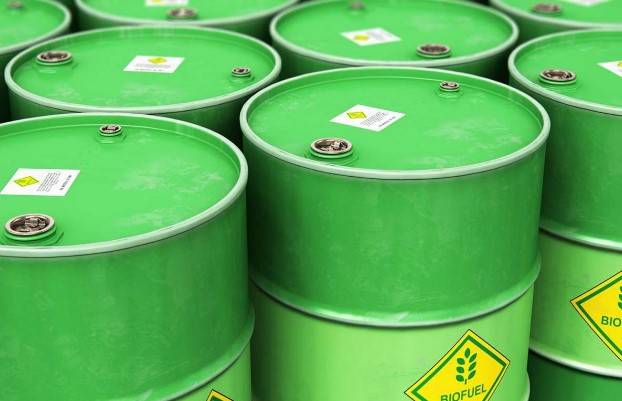
In the race to reduce greenhouse gas emissions and combat climate change, biogas biofuel is emerging as a key player. Derived from organic waste, this renewable energy source is making waves in the transportation and industrial sectors, providing a sustainable alternative to fossil fuels. By converting waste into clean energy, biogas biofuel is not only addressing energy needs but also tackling waste management challenges, paving the way for a greener future.
What is Biogas Biofuel?
Biogas biofuel is produced by upgrading biogas—a renewable gas generated through the anaerobic digestion of organic waste such as food scraps, agricultural residues, and animal manure. During the upgrading process, impurities like carbon dioxide (CO₂) and hydrogen sulfide (H₂S) are removed, leaving behind biomethane, which is similar in composition to natural gas.
This refined biomethane can be compressed (CBG) or liquefied (LBG) for use as fuel in vehicles or as an energy source for industrial applications.
How is Biogas Biofuel Produced?
1. Organic Waste Collection:
Sources include agricultural residues, food waste, sewage sludge, and animal manure.
2. Anaerobic Digestion:
Microorganisms break down the waste in an oxygen-free environment, producing raw biogas. During the biogas production process, the required equipment is a biogas analyzer, which uses advanced photoelectric sensing principles to detect and analyze methane (CH4), oxygen (O2), carbon dioxide (CO2), hydrogen sulfide (H2S) and other gases. For example OLGA2000 Online Biogas Monitoring System can be widely used in gas monitoring in landfill gas power plants, petrochemicals, coal mines and other scenarios, and can realize remote data transmission.

OLGA2000 Online Biogas Monitoring System
3. Biogas Upgrading:
The raw biogas is purified to remove CO₂, H₂S, and other impurities, resulting in high-purity biomethane.
4. Compression or Liquefaction:
The purified biomethane is compressed into compressed biogas (CBG) or liquefied into liquid biogas (LBG) for transportation and storage.
Applications of Biogas Biofuel
1. Powering Vehicles:
Biogas biofuel is used as a clean and sustainable alternative to diesel and gasoline in various types of vehicles:
Public Transportation: Buses running on compressed biogas (CBG) produce significantly lower emissions.
Commercial Fleets: Trucks and delivery vans benefit from the cost-effectiveness and lower environmental impact of biogas.
Private Vehicles: Biogas-powered cars are gaining traction as governments incentivize the use of renewable fuels.
2. Industrial Energy:
Heat and Power: Biogas biofuel is used to generate electricity and heat for industrial processes.
Backup Generators: Industries utilize biogas biofuel for reliable and eco-friendly backup power.
High-Energy Applications: Liquid biogas (LBG) is ideal for heavy-duty industrial machinery and equipment.

Advantages of Biogas Biofuel
1. Renewable and Sustainable:
Derived from waste materials, biogas biofuel is a virtually endless resource.
2. Reduced Carbon Footprint:
Using biogas biofuel instead of fossil fuels cuts greenhouse gas emissions, helping meet global climate goals.
3. Efficient Waste Management:
Diverts organic waste from landfills, reducing methane emissions and environmental pollution.
4. Cost Savings:
Biogas biofuel is often cheaper than conventional fuels, especially when locally produced.
5. Energy Security:
Provides a domestic and reliable energy source, reducing dependence on imported fuels.
6. Scalability:
Suitable for small-scale community projects and large industrial setups alike.
Challenges and Solutions
1. High Initial Costs:
Infrastructure for biogas upgrading and distribution requires significant investment.
Solution: Government incentives, subsidies, and public-private partnerships can offset costs.
2. Limited Awareness and Adoption:
Many industries and transport operators are unaware of the benefits of biogas biofuel.
Solution: Educational campaigns and success stories can encourage adoption.
3. Storage and Distribution:
Compressing or liquefying biogas and establishing distribution networks can be complex.
Solution: Develop localized biogas production and fueling stations to simplify logistics.
4. Feedstock Availability:
A consistent supply of organic waste is needed for uninterrupted production.
Solution: Collaborate with agriculture, food industries, and municipalities to secure waste streams.
Success Stories
1. Sweden:
Sweden leads the world in biogas biofuel adoption, with over 60% of its public buses running on biogas.
2. Germany:
Numerous industries in Germany use biogas biofuel for combined heat and power (CHP) systems, reducing energy costs and emissions.
3. India:
Biogas-powered tractors and irrigation pumps are helping farmers reduce costs and adopt sustainable practices.
Conclusion
Biogas biofuel is more than just an energy source—it is a transformative solution that bridges the gap between waste management and clean energy production. By powering vehicles and industries, biogas biofuel is not only reducing emissions but also creating a sustainable energy ecosystem that benefits both people and the planet.
 Manufacturer of biogas analyzer, landfill gas analyzer and extraction monitor, anaerobic digester gas analyzer