
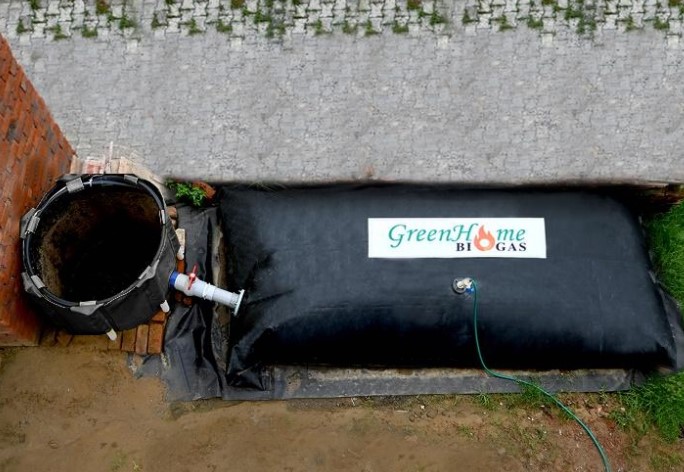
The global shift toward renewable energy is unlocking the potential of innovative and sustainable technologies. Among these, small gobar gas plants stand out as a practical solution for turning animal waste into a valuable energy resource. These compact biogas systems, fueled primarily by cow dung (gobar), are revolutionizing waste management and energy production, particularly in rural and agricultural communities.
What Are Small Gobar Gas Plants?
Small gobar gas plants are compact anaerobic digesters designed to convert animal waste into biogas. The primary input is cow dung, but they can also process other types of organic waste, such as pig manure or poultry droppings. These plants are ideal for small-scale applications in homes, farms, and rural areas, where animal waste is abundant.
The biogas produced consists mainly of methane (CH₄) and carbon dioxide (CO₂), which can be used for cooking, lighting, heating, and even electricity generation.
How Do Small Gobar Gas Plants Work?
1. Collection of Waste:
Cow dung and other organic waste are collected and mixed with water to form a slurry.
2. Feeding the Digester:
The slurry is fed into an airtight digester where anaerobic bacteria break it down in the absence of oxygen.
3. Biogas Production:
As the bacteria digest the waste, they release biogas, which is captured and stored in a gas chamber.
4. Utilization of Biogas:
The gas is piped to households or small businesses for cooking, lighting, or powering biogas generators.
5. Digestate for Fertilizer:
The leftover material, called digestate, is a nutrient-rich organic fertilizer that can be used to enhance soil quality.
Benefits of Small Gobar Gas Plants
1. Renewable Energy Production:
Provides a sustainable alternative to fossil fuels, reducing dependence on non-renewable resources.
2. Effective Waste Management:
Converts animal waste into energy, reducing pollution and the health risks associated with unmanaged waste.
3. Cost Savings:
Reduces energy expenses for cooking and heating while supplying organic fertilizer, lowering agricultural costs.
4. Environmental Benefits:
Captures methane, a potent greenhouse gas, and reduces emissions compared to letting waste decompose naturally.
5. Energy Access for Rural Areas:
Supplies affordable and reliable energy to remote locations where conventional energy sources are scarce.
6. Improved Sanitation:
Encourages proper waste collection and management, improving hygiene and living conditions.
Applications of Small Gobar Gas Plants
1. Cooking and Heating:
Biogas serves as a clean-burning fuel, replacing firewood and LPG in rural households.
2. Lighting:
Small-scale biogas lamps provide illumination for homes and small businesses.
3. Agricultural Support:
The digestate produced is a high-quality organic fertilizer that improves crop yields.
4. Electricity Generation:
Small biogas generators convert biogas into electricity for powering appliances and machinery.
Challenges and Solutions
1. Initial Costs:
The setup cost of a small gobar gas plant can be a barrier for some communities.
Solution: Offer government subsidies, microloans, and community-based funding initiatives to make these systems affordable.
2. Technical Knowledge:
Operating and maintaining the plant requires basic technical expertise.
Solution: Provide training programs and create user-friendly designs to simplify operation.
3. Waste Collection and Consistency:
A steady supply of animal waste is essential for continuous operation.
Solution: Encourage collaboration among farmers or integrate multiple waste sources to ensure consistent feedstock.
Small gobar gas plants are a shining example of how traditional resources like animal waste can be transformed into modern energy solutions. By turning waste into biogas, these systems provide clean energy, reduce environmental impact, and promote sustainable living.
 Manufacturer of biogas analyzer, landfill gas analyzer and extraction monitor, anaerobic digester gas analyzer