
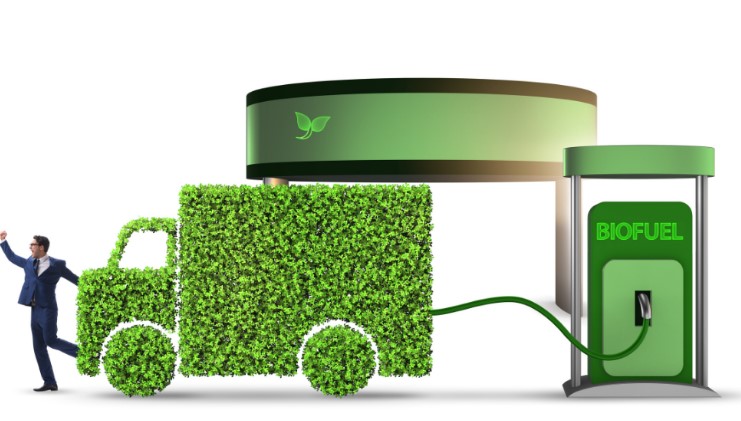
In the global pursuit of sustainable energy solutions, bioelectric biogas has emerged as a groundbreaking innovation that combines the principles of biogas production and bioelectricity generation. This dual-purpose technology leverages organic waste to produce renewable energy while addressing pressing environmental concerns such as waste management and greenhouse gas emissions. By integrating biogas and bioelectricity, bioelectric biogas systems are paving the way toward a cleaner, greener world.
What is Bioelectric Biogas?
Bioelectric biogas refers to the production of both biogas and electricity from organic waste through advanced bioelectrochemical systems. These systems use anaerobic digestion to produce biogas, primarily methane (CH₄), and bioelectrochemical processes, such as microbial fuel cells (MFCs), to generate electricity directly from organic waste.
This combination maximizes the energy potential of organic materials, creating a versatile solution for communities, industries, and municipalities.
How Does Bioelectric Biogas Work?
1. Anaerobic Digestion:
Organic waste, including food scraps, agricultural residues, and animal manure, is fed into an airtight digester.
Microorganisms break down the waste in an oxygen-free environment, producing biogas (methane and carbon dioxide). It is necessary to monitor the composition of biogas. For example, the OLGA2000 biogas online monitoring system uses advanced photoelectric sensing principles to detect methane (CH4), oxygen (O2), carbon dioxide (CO2), hydrogen sulfide (H2S), etc. It can be widely used in gas monitoring in landfill biogas power plants, petrochemical industry, coal mines and other scenarios, and can realize remote data transmission.

biogas online monitoring system OLGA2000
2. Biogas Utilization:
The methane-rich biogas is captured and can be used for cooking, heating, or electricity generation through conventional methods such as biogas-powered generators.
3. Bioelectricity Generation:
In the bioelectrochemical process, microbial fuel cells (MFCs) are used to convert organic waste directly into electricity.
Specialized bacteria oxidize the organic matter, releasing electrons that are captured as electrical energy.
4. Integration of Systems:
The hybrid bioelectric biogas system combines these two processes, ensuring maximum energy recovery from waste while reducing environmental impact.
Benefits of Bioelectric Biogas
1. Dual Energy Production:
Combines biogas and electricity generation for greater energy efficiency.
2. Waste Management:
Converts organic waste into valuable resources, reducing landfill dependency and pollution.
3. Carbon Footprint Reduction:
Mitigates greenhouse gas emissions by capturing methane and reducing reliance on fossil fuels.
4. Renewable Energy Source:
Provides a sustainable and continuous energy supply, utilizing readily available organic waste.
5. Energy Access in Remote Areas:
Enables decentralized energy production, particularly useful in rural and off-grid regions.
6. Economic Viability:
Reduces energy costs and creates new economic opportunities through waste-to-energy systems.
Applications of Bioelectric Biogas
1. Rural Energy Solutions:
Provides energy for cooking, lighting, and irrigation in rural communities.
2. Industrial Use:
Powers factories and food processing plants using waste from operations.
3. Municipal Waste Management:
Processes urban organic waste while generating electricity for local grids.
4. Transportation Fuel:
Upgraded biogas (biomethane) can be used as a clean fuel for vehicles.
Challenges and Overcoming Them
1. High Initial Costs:
The infrastructure for bioelectric biogas systems requires significant investment.
Solution: Governments and private sectors can offer subsidies and incentives to lower costs.
2. Technical Complexity:
Integrating biogas production with bioelectrochemical systems requires expertise.
Solution: Develop simplified designs and offer training programs to build technical capacity.
3. Limited Awareness:
Many communities are unaware of the potential benefits of bioelectric biogas.
Solution: Conduct awareness campaigns and pilot projects to demonstrate effectiveness.
Conclusion
Bioelectric biogas represents a paradigm shift in renewable energy. By integrating biogas production with bioelectricity generation, it offers a holistic solution to waste management, energy production, and environmental sustainability.
 Manufacturer of biogas analyzer, landfill gas analyzer and extraction monitor, anaerobic digester gas analyzer