
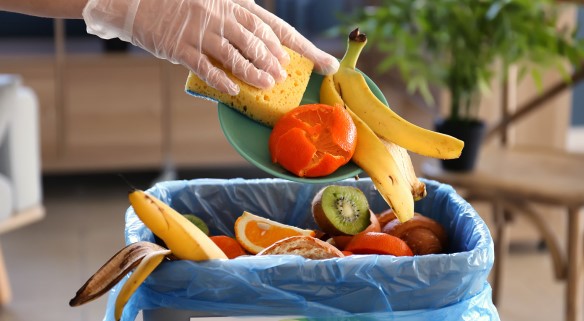
As the global population grows, the demand for sustainable energy and waste management solutions becomes increasingly urgent. Biogas production from fruit and vegetable wastes is a promising approach that not only addresses energy needs but also tackles the problem of organic waste disposal. This eco-friendly technology transforms discarded produce into a renewable energy source, contributing to environmental sustainability and energy independence.
Why Fruit and Vegetable Wastes?
Fruits and vegetables are among the most commonly wasted food items globally. According to the Food and Agriculture Organization (FAO), a significant percentage of all fruits and vegetables produced are discarded at various stages, including harvest, transportation, storage, and consumption. These wastes are rich in organic matter, making them ideal feedstock for biogas production.
The Process of Biogas Production from Fruit and Vegetable Wastes
1. Collection and Sorting:
Wastes such as peels, seeds, pulp, and spoiled produce are collected from farms, markets, and households.
Non-organic materials like plastics or metals are removed during sorting.
2. Pre-Treatment:
The collected waste is chopped or ground into smaller pieces to increase the surface area for microbial digestion.
Water is added to create a slurry for easy processing.
3. Anaerobic Digestion:
The slurry is fed into an airtight biogas digester, where microorganisms break down the organic matter in the absence of oxygen.
This process produces biogas, a mixture of methane (CH₄), carbon dioxide (CO₂), and trace gases.
4. Gas Collection and Storage:
The biogas is collected and stored for use as fuel, while the leftover slurry (digestate) is used as a nutrient-rich fertilizer.
Applications of Biogas Produced from Fruit and Vegetable Wastes
- Cooking and Heating: Biogas can replace conventional fuels like LPG in households and commercial kitchens.
- Electricity Generation: Biogas is used to power generators, providing electricity to homes, farms, and small industries.
- Transportation Fuel: Upgraded biogas (biomethane) can be used as a cleaner fuel for vehicles.
- Organic Farming: The digestate serves as a high-quality organic fertilizer, promoting sustainable agriculture.
Benefits of Using Fruit and Vegetable Wastes for Biogas
1. Renewable Energy Source:
Biogas is a clean and sustainable energy alternative to fossil fuels.
2. Waste Management:
Reduces the amount of organic waste sent to landfills, cutting down on methane emissions from decomposing waste.
3. Environmental Protection:
Helps mitigate greenhouse gas emissions and reduces water and soil contamination caused by improper waste disposal.
4. Cost-Effective:
Utilizes readily available waste materials, reducing feedstock costs.
5. Circular Economy:
Converts waste into energy and fertilizer, promoting resource efficiency and sustainability.
Challenges and Solutions
1. Seasonal Availability:
The supply of fruit and vegetable waste may fluctuate with seasons.
Solution: Develop storage and preservation methods to maintain a consistent feedstock supply.
2. High Moisture Content:
Fruit and vegetable wastes have a high water content, which may dilute biogas production efficiency.
Solution: Combine with drier organic wastes to balance moisture levels.
3. Initial Costs:
The setup of biogas digesters and related infrastructure can be expensive.
Solution: Promote subsidies, grants, and financing options for biogas projects.
4. Community Acceptance:
Lack of awareness may hinder adoption in some areas.
Solution: Conduct awareness campaigns and training programs to educate communities on the benefits of biogas.
Case Studies and Success Stories
- India: Farmers in India have adopted small-scale biogas systems to process fruit and vegetable waste, reducing fuel costs and generating organic fertilizer for crops.
- Europe: Several European countries are using large-scale biogas plants to process supermarket waste, generating electricity and heat for local communities.
- Africa: In Kenya, market vendors are turning fruit and vegetable waste into biogas for cooking, reducing reliance on charcoal and firewood.
Biogas production from fruit and vegetable wastes is more than just a solution for waste management—it is a pathway to energy sustainability and environmental preservation. By harnessing the potential of organic waste, communities can reduce their carbon footprint, lower energy costs, and promote a circular economy. As adoption grows, this innovative technology promises a cleaner, greener, and more sustainable future.
 Manufacturer of biogas analyzer, landfill gas analyzer and extraction monitor, anaerobic digester gas analyzer