
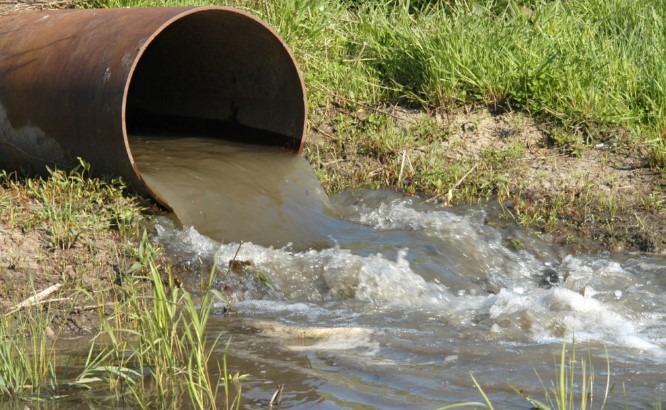
The pressing need for sustainable energy solutions has led to groundbreaking innovations in waste-to-energy technologies. Among these, biogas production from wastewater treatment has emerged as a promising green alternative, addressing both energy shortages and environmental challenges. This process not only generates renewable energy but also plays a vital role in wastewater management and reducing greenhouse gas emissions.
What is Biogas?
Biogas is a renewable energy source produced through the anaerobic digestion of organic matter by microorganisms. It primarily comprises methane (CH₄) and carbon dioxide (CO₂), with traces of other gases. When derived from wastewater treatment plants, biogas offers a dual benefit: energy generation and the mitigation of pollution caused by untreated wastewater.
The Process of Biogas Production in Wastewater Treatment
1. Pre-Treatment: Wastewater is screened to remove large solids, debris, and non-organic materials.
2. Primary Treatment: Settling tanks allow organic solids (sludge) to separate from the water. This sludge becomes the primary feedstock for biogas production.
3. Anaerobic Digestion: The sludge is fed into an airtight digester, where microorganisms break down the organic matter in the absence of oxygen. This process releases biogas as a by-product.
4. Gas Collection and Storage: The biogas is captured, cleaned of impurities such as hydrogen sulfide and water vapor, and stored for use.
5. Sludge Disposal: The remaining digestate is often processed into biosolids, which can be used as fertilizers.
6. Gas monitoring:Biogas analyzers, such as the GASCHEK1000 portable biogas analyzer, use advanced photoelectric sensing principles to detect and analyze methane (CH4), oxygen (O2), carbon dioxide (CO2), hydrogen sulfide (H2S) and other gases, and accurately report , while effectively checking the digestive process.

portable biogas analyzer GASCHEK1000
Benefits of Biogas Production from Wastewater
1. Renewable Energy Source: Biogas can be used for electricity generation, heating, or as a vehicle fuel, reducing dependence on fossil fuels.
2. Wastewater Treatment Efficiency: By converting organic matter into biogas, the system enhances wastewater treatment efficiency and reduces the volume of waste.
3. Reduction in Greenhouse Gas Emissions: Anaerobic digestion captures methane that would otherwise escape into the atmosphere, significantly lowering the carbon footprint of wastewater treatment plants.
4. Cost Savings: Energy generated from biogas can offset the operational costs of wastewater treatment facilities.
5. Nutrient Recycling: The residual sludge is rich in nutrients and can be used as an organic fertilizer, promoting sustainable agriculture.
Applications of Biogas from Wastewater
- Electricity Generation: Wastewater treatment plants can use biogas to generate electricity, making them energy self-sufficient.
- Industrial Use: Biogas can power machinery and processes in industries located near treatment plants.
- Vehicle Fuel: After purification, biogas can be converted into biomethane, a clean fuel alternative for vehicles.
- Cooking and Heating: Biogas can replace conventional fuels for cooking and heating in local communities.
Challenges in Biogas Production from Wastewater
1. High Initial Investment: Setting up anaerobic digesters and biogas systems can require significant capital.
2. Technical Expertise: Efficient biogas production demands skilled operation and maintenance.
3. Gas Purity Issues: Impurities like hydrogen sulfide can corrode equipment and lower the quality of biogas.
4. Scalability Concerns: Smaller treatment plants may find it difficult to produce biogas at a scale that is economically viable.
Conclusion
Biogas production from wastewater treatment is a shining example of how sustainable technologies can address multiple global challenges. By converting waste into energy, this process not only reduces pollution but also provides a renewable energy source for various applications. As the world transitions toward greener alternatives, biogas from wastewater treatment will undoubtedly play a pivotal role in building a cleaner and more sustainable future.
 Manufacturer of biogas analyzer, landfill gas analyzer and extraction monitor, anaerobic digester gas analyzer