
The global demand for sustainable and renewable energy has intensified the search for innovative solutions to harness energy from natural resources. Among these solutions, biogas production from plant waste stands out as an eco-friendly and efficient method to convert agricultural residues and other organic plant materials into clean energy. This process not only provides a sustainable energy source but also contributes to waste management and environmental conservation.
What is Biogas?
Biogas is a renewable energy source produced through the anaerobic digestion of organic matter. This process involves microorganisms breaking down plant and animal waste in the absence of oxygen to produce a combustible gas mixture, primarily consisting of methane (CH4) and carbon dioxide (CO2).
Plant waste, including crop residues, kitchen scraps, grass clippings, and other biodegradable plant materials, serves as an excellent feedstock for biogas production due to its high organic content.
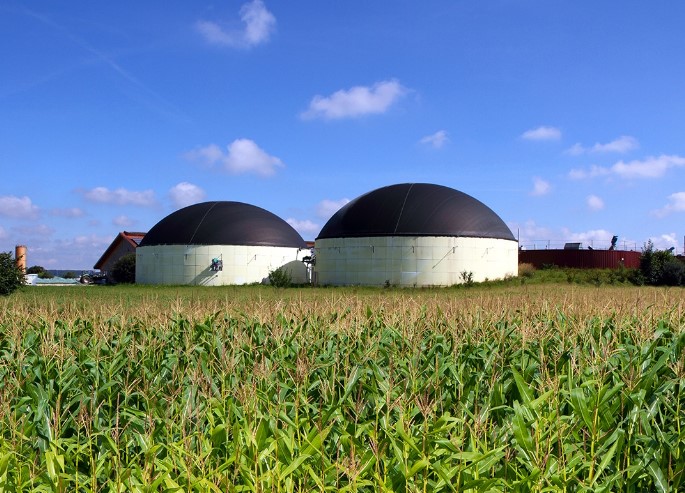
The Process of Generating Biogas from Plant Waste
1. Collection and Preparation:
Plant waste is collected, sorted, and shredded to increase the surface area for microbial activity. This step ensures efficient digestion.
2. Anaerobic Digestion:
The prepared plant waste is fed into a biogas digester, a sealed tank where anaerobic microorganisms decompose the organic matter. The absence of oxygen is crucial for the production of biogas. During the biogas production process, a biogas analyzer is needed to monitor the composition of the biogas. For example, the OLGA2000 biogas online monitoring system uses advanced photoelectric sensing principles to detect and analyze methane (CH4), oxygen (O2), carbon dioxide (CO2), hydrogen sulfide (H2S) and other gases.
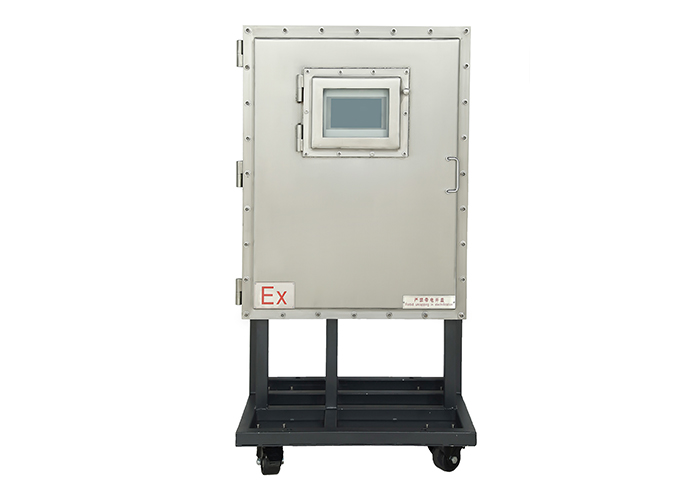
biogas online monitoring system OLGA2000
3. Gas Collection:
As the microorganisms break down the plant waste, biogas is released and collected in storage tanks.
4. Utilization:
The biogas can be used for cooking, heating, electricity generation, or as a vehicle fuel after purification. The leftover residue, known as digestate, is a nutrient-rich organic fertilizer.
Benefits of Producing Biogas from Plant Waste
1. Renewable Energy Source:
Biogas is a renewable alternative to fossil fuels, reducing the reliance on non-renewable energy sources and lowering carbon footprints.
2. Efficient Waste Management:
Utilizing plant waste for biogas production prevents it from being dumped in landfills, reducing methane emissions from decomposing waste.
3. Environmental Conservation:
Biogas production mitigates deforestation by reducing the need for firewood and charcoal. It also lowers greenhouse gas emissions compared to conventional fossil fuel use.
4. Economic Benefits:
Farmers and communities can generate additional income by selling biogas or digestate. The technology also reduces energy costs for households and industries.
5. Improved Soil Health:
The digestate left after biogas production is an excellent organic fertilizer, enriching soil health and reducing dependence on chemical fertilizers.
Real-World Applications of Biogas from Plant Waste
1. Rural Energy Supply:
In rural areas of countries like India and Kenya, small-scale biogas plants use crop residues and kitchen waste to provide clean energy for cooking and lighting.
2. Agricultural Waste Utilization:
Large-scale farms and agricultural industries are adopting biogas plants to manage crop residues efficiently while generating electricity and heat for their operations.
3. Urban Waste Management:
Cities are exploring the use of biogas technology to process green waste from parks, markets, and households, reducing landfill volumes and generating energy.
Conclusion
Biogas from plant waste represents a sustainable energy solution that aligns with global goals for renewable energy and environmental preservation. By turning agricultural residues and other plant waste into valuable biogas, we can address waste management challenges, reduce greenhouse gas emissions, and provide clean energy to millions of households and industries worldwide.
 Manufacturer of biogas analyzer, landfill gas analyzer and extraction monitor, anaerobic digester gas analyzer