

In the quest for sustainable energy solutions, biogas has emerged as a promising alternative to conventional cooking fuels like wood, charcoal, and liquefied petroleum gas (LPG). Derived from organic waste, biogas offers a renewable and eco-friendly option that not only reduces dependency on non-renewable energy sources but also addresses environmental challenges such as waste management and greenhouse gas emissions.
What is Biogas?
Biogas is a combustible gas produced through the anaerobic digestion of organic materials like food waste, agricultural residues, animal manure, and sewage. This process occurs in the absence of oxygen and involves microorganisms breaking down organic matter to release methane (CH4) and carbon dioxide (CO2). The methane-rich biogas can be captured, stored, and used for various applications, including cooking, heating, and even electricity generation.
Why Biogas for Home Cooking?
1. Environmental Benefits:
Biogas systems utilize organic waste, reducing the need for landfill disposal and the associated release of methane, a potent greenhouse gas. By converting waste into energy, biogas systems also mitigate deforestation caused by excessive firewood collection.
2. Cost Savings:
Families using biogas for cooking save on fuel expenses. A household biogas plant can produce sufficient gas from kitchen and animal waste to meet daily cooking needs, eliminating reliance on costly LPG cylinders or other purchased fuels.
3. Health Improvements:
Traditional cooking methods, such as burning wood or charcoal, produce harmful smoke and pollutants. Biogas burns cleanly, reducing indoor air pollution and its associated health risks, such as respiratory problems and eye irritation.
4. Renewable and Sustainable:
Unlike fossil fuels, biogas is renewable and can be generated continuously as long as organic waste is available. This ensures a steady and sustainable source of energy for households.
How Biogas Works in Home Cooking
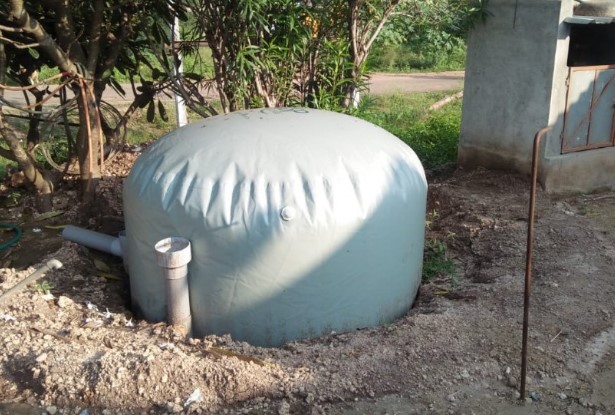
A typical home biogas system consists of:
- A Digester: Where organic waste is broken down anaerobically to produce biogas.
- A Gas Storage System: To store the produced biogas safely.
- A Biogas Stove: Specifically designed to use biogas as fuel for efficient cooking.
The system is simple to operate. Organic waste is fed into the digester daily, and biogas is piped directly to the kitchen for cooking. The residue from the digestion process, called digestate, can be used as nutrient-rich fertilizer for gardening or farming.
Case Studies: Biogas in Action
1. Rural Communities in India:
Many rural households in India have adopted biogas systems, using cow dung and kitchen waste as feedstock. This shift has reduced firewood usage, improved health, and empowered women by saving time spent collecting fuel.
2. Urban Households in Kenya:
Urban families with limited space are utilizing compact biogas systems to recycle food scraps and generate clean cooking fuel, reducing waste management challenges.
Biogas for home cooking is more than just an energy solution; it is a commitment to a cleaner, greener future. By embracing this technology, households worldwide can contribute to a sustainable tomorrow while enjoying the practical benefits of clean energy today.
 Manufacturer of biogas analyzer, landfill gas analyzer and extraction monitor, anaerobic digester gas analyzer