
In a world striving for sustainability, the idea of zero waste homes is gaining momentum. Central to this movement is the transformation of kitchen leftovers into biogas—a renewable, eco-friendly energy source. Biogas production from food waste not only reduces landfill burdens but also provides households with a clean and affordable energy alternative. This article explores how kitchen leftovers can be turned into biogas, the benefits it offers, and the simple steps to make it a reality in your home.
What is Biogas?
Biogas is a renewable energy source created through the anaerobic digestion of organic matter—such as food waste, agricultural residue, or animal manure—in a controlled environment. The process involves microbes breaking down organic material in the absence of oxygen, releasing a gas mixture composed primarily of methane (CH₄) and carbon dioxide (CO₂). The methane component makes biogas a viable alternative to conventional fossil fuels like natural gas.
When applied at the household level, biogas production systems allow homeowners to convert everyday kitchen waste into fuel for cooking, heating, and even electricity generation.
How Does Biogas Production from Kitchen Leftovers Work?
Biogas systems, commonly referred to as biodigesters, make it simple to process kitchen waste and produce energy. The following steps outline the process:
1. Collecting Kitchen Waste
Scraps such as fruit and vegetable peels, leftover rice, stale bread, and even coffee grounds can be collected daily. Non-organic materials like plastic and metals must be excluded to ensure the biodigester functions effectively.
2. Loading the Biodigester
The kitchen waste is fed into the biodigester, which is a sealed, oxygen-free tank. Water may be added to create the right consistency for the digestion process.
3. Anaerobic Digestion
Inside the biodigester, microorganisms break down the organic matter, producing biogas as a byproduct. This process typically takes a few days to weeks, depending on the system and the volume of waste.
4. Biogas Collection and Storage
The produced biogas is captured and stored in a gas chamber, ready for use in cooking stoves, water heaters, or small-scale generators.
5. Utilizing Digestate
The leftover slurry, called digestate, is rich in nutrients and can be used as a high-quality organic fertilizer for gardening or farming.
6. Gas monitoring:Biogas analyzers, such as the GASCHEK1000 portable biogas analyzer, use advanced photoelectric sensing principles to detect and analyze methane (CH4), oxygen (O2), carbon dioxide (CO2), hydrogen sulfide (H2S) and other gases, and accurately report , while effectively checking the digestive process.

portable biogas analyzer GASCHEK1000
Benefits of Biogas Production from Kitchen Waste
1. Waste Reduction
Biogas systems significantly reduce the amount of food waste sent to landfills, where it would otherwise decompose and release harmful methane emissions into the atmosphere. By processing waste at home, families can contribute to a cleaner, more sustainable planet.
2. Clean and Affordable Energy
Biogas is a clean-burning fuel that eliminates the smoke and pollution associated with traditional cooking methods like wood or coal. For households, it provides an affordable energy source that reduces reliance on expensive and unsustainable fossil fuels.
3. Improved Hygiene and Odor Control
By channeling food waste into a biodigester, homes can avoid the unpleasant odors and hygiene issues caused by rotting leftovers. Properly managed systems keep neighborhoods cleaner and healthier.
4. Fertilizer Production
The digestate from biogas systems serves as an excellent fertilizer, providing essential nutrients for plants while eliminating the need for chemical fertilizers. This promotes organic farming and gardening practices.
5. Carbon Footprint Reduction
Using kitchen waste to produce biogas directly reduces greenhouse gas emissions from both landfills and traditional fossil fuel use. It’s a practical step toward combating climate change.
6. Energy Independence
Household biogas plants empower families to become energy self-sufficient. This is particularly valuable in areas where access to reliable energy sources is limited or expensive.
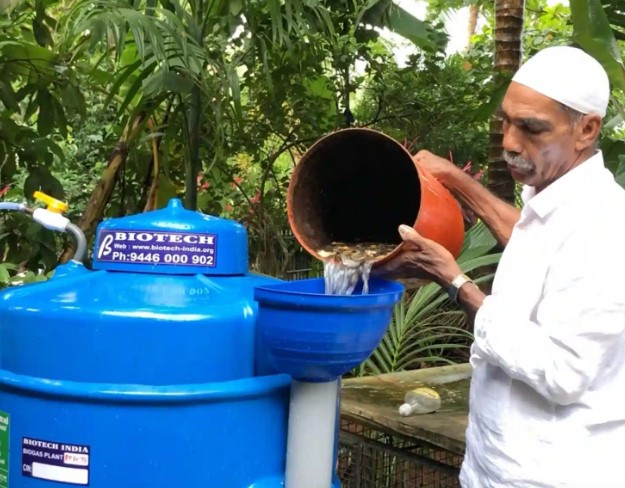
Setting Up a Biogas System at Home
Creating a home-based biogas system is more straightforward than it may seem. Here are the key steps to get started:
1. Choose the Right System
Several types of biodigesters are available, ranging from small DIY models to more advanced systems. Select one based on the volume of kitchen waste your household generates and your energy needs.
2. Find a Suitable Location
Install the biodigester in a well-ventilated, outdoor area with easy access to kitchen waste and water. Ensure it is protected from extreme weather conditions.
3. Feed the System Regularly
Consistent feeding with the right type and quantity of waste is essential to maintain steady biogas production. Avoid adding non-degradable or toxic materials to the system.
4. Use the Biogas
Connect the biogas output to a stove, heater, or generator to make the most of your renewable energy source.
5. Utilize the Fertilizer
Apply the nutrient-rich digestate to your garden or potted plants to enhance soil health and boost plant growth.
Challenges and Solutions
1. Initial Setup Costs
While home biogas systems are relatively affordable, the initial cost may be a barrier for some households.
Solution: Look for government subsidies, NGO programs, or community initiatives that support renewable energy adoption.
2. Maintenance Requirements
Biodigesters require regular maintenance to prevent clogging or inefficiencies in gas production.
Solution: Follow manufacturer guidelines and attend training sessions, if available, to ensure smooth operation.
3. Space Constraints
In urban settings, space for biodigesters may be limited.
Solution: Compact or portable biodigesters designed for urban homes are now widely available in the market.
Biogas from kitchen waste is a practical, eco-friendly solution for households aiming to embrace sustainable living. By adopting this approach, families can significantly reduce their waste, generate clean energy, and contribute to a greener planet.
 Manufacturer of biogas analyzer, landfill gas analyzer and extraction monitor, anaerobic digester gas analyzer