
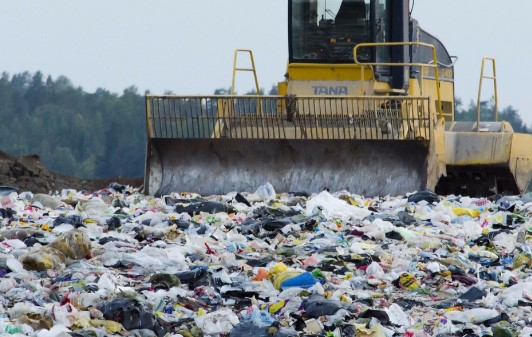
As urbanization accelerates and global populations grow, the management of municipal solid waste (MSW) has become an increasing challenge for cities worldwide. Landfills are overflowing, incineration emits harmful pollutants, and improper waste disposal contaminates ecosystems. In the quest for sustainable waste management, anaerobic digestion (AD) has emerged as a game-changing technology that not only reduces waste but also transforms it into valuable resources like biogas and organic fertilizers.
Understanding Anaerobic Digestion (AD)
Anaerobic digestion is a natural biological process in which microorganisms break down organic materials in the absence of oxygen. In the context of municipal solid waste, the organic fraction—including food scraps, yard waste, and biodegradable materials—undergoes decomposition in a sealed, oxygen-free environment known as a digester.
The process produces two primary outputs:
1. Biogas: A renewable energy source primarily composed of methane (CH₄) and carbon dioxide (CO₂), which can be used as fuel for electricity, heat, and even transportation.
2. Digestate: A nutrient-rich slurry that can be used as an organic fertilizer or soil conditioner, helping to close the loop in agricultural and landscaping applications.
Anaerobic Digestion and MSW: The Perfect Match
MSW contains a significant portion of organic waste, often exceeding 50% in many urban areas. Traditional waste disposal methods, such as landfilling or incineration, squander the potential energy stored in this organic fraction. Anaerobic digestion, however, maximizes its utility by recovering valuable resources while simultaneously addressing environmental and waste management challenges.
Environmental and Economic Benefits of AD in MSW Management
1. Waste Reduction
Anaerobic digestion significantly reduces the volume of waste sent to landfills. By diverting the organic fraction of MSW, cities can mitigate the environmental and health impacts associated with landfilling, such as leachate production and methane emissions.
2. Renewable Energy Production
Biogas generated through AD can be refined into biomethane and used as a clean, renewable energy source. This energy can replace fossil fuels in electricity generation, heating systems, or even power vehicles. Cities can harness this energy to lower their carbon footprints and meet renewable energy targets.
3. Reduction of Greenhouse Gas Emissions
When organic waste decomposes in a landfill, it releases methane—a potent greenhouse gas—directly into the atmosphere. By capturing and utilizing methane in a controlled AD process, emissions are minimized, contributing to climate change mitigation.
4. Creation of Organic Fertilizer
The nutrient-rich digestate left after biogas production can be processed into high-quality organic fertilizers. This reduces the need for chemical fertilizers, which are energy-intensive to produce and can harm soil health over time.
5. Economic Opportunities
Investing in anaerobic digestion infrastructure can create jobs in engineering, plant operations, and renewable energy sectors. Additionally, selling biogas and organic fertilizers provides a revenue stream for municipalities.
Applications of AD in Municipal Solid Waste Management
- Household Organic Waste Collection: Cities can implement separate collection systems for organic waste, ensuring high-quality feedstock for AD plants.
- Food Waste from Businesses: Restaurants, supermarkets, and food processing industries produce large quantities of food waste that can be diverted to anaerobic digesters.
- Yard and Green Waste: Leaves, grass clippings, and other biodegradable materials from landscaping activities are ideal for AD.
- Community and Industrial Integration: Municipalities can establish community-based or industrial-scale digesters to process organic waste locally, reducing transportation costs and emissions.
Conclusion
Anaerobic digestion transforms municipal solid waste from an environmental burden into a valuable resource. By diverting organic waste from landfills and producing renewable energy and organic fertilizers, AD offers a sustainable pathway for cities to address their waste management challenges.
 Manufacturer of biogas analyzer, landfill gas analyzer and extraction monitor, anaerobic digester gas analyzer