
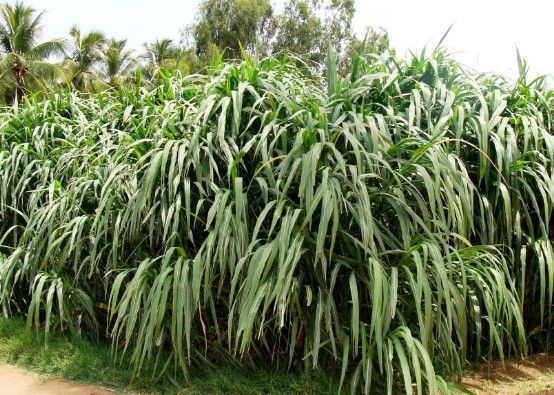
As the world grapples with the dual challenges of climate change and rising energy demands, the search for sustainable and renewable energy sources has become more urgent than ever. Napier grass, also known as elephant grass, has emerged as a promising resource for biogas production. This fast-growing perennial grass, widely cultivated in tropical and subtropical regions, offers a renewable and eco-friendly way to generate biogas, reduce dependence on fossil fuels, and contribute to sustainable energy solutions.
What is Napier Grass?
Napier grass (Pennisetum purpureum) is a robust, drought-tolerant grass that is primarily used as livestock feed in many parts of the world. Its high growth rate, ease of cultivation, and resilience in diverse climates make it an ideal crop for various uses beyond animal fodder. Recently, researchers and energy enthusiasts have turned their attention to Napier grass for its potential as a feedstock for biogas production.
With its high biomass yield and favorable chemical composition, Napier grass offers an abundant and sustainable source of organic matter to produce biogas, a clean energy alternative primarily composed of methane (CH₄) and carbon dioxide (CO₂).
How Biogas is Produced from Napier Grass
1. Harvesting and Preprocessing:
Napier grass is harvested, chopped into smaller pieces, and sometimes pretreated to enhance its digestibility. This step ensures that the grass is efficiently broken down during digestion.
2. Loading the Digester:
The chopped grass is loaded into a biogas digester, a sealed tank that creates an oxygen-free environment.
3. Anaerobic Digestion:
Inside the digester, microorganisms break down the grass into simpler compounds. Over time, this process produces biogas, a mixture rich in methane, along with a nutrient-rich slurry known as digestate.
4. Biogas Collection:
The biogas is collected and can be purified to increase its methane content. It is then used for cooking, heating, electricity generation, or as a vehicle fuel.
5. Digestate Utilization:
The remaining digestate is an excellent organic fertilizer that can be used to enrich soils and improve agricultural productivity.
6. Monitoring equipment:
Biogas analyzer, which uses advanced photoelectric sensing principles to detect methane (CH4), oxygen (O2), carbon dioxide (CO2), hydrogen sulfide (H2S), etc. For example, the OLGA2000 biogas online monitoring system can be widely used in gas monitoring in landfill biogas power plants, petrochemical industries, coal mines and other scenarios, and can achieve remote data transmission.

biogas online monitoring system OLGA2000
Advantages of Using Napier Grass for Biogas Production
1. High Biomass Yield
Napier grass is one of the highest-yielding grasses in terms of biomass production. With proper cultivation, it can produce up to 40–50 tons of fresh biomass per hectare annually, making it a reliable and abundant feedstock for biogas generation.
2. Renewable and Sustainable
Unlike fossil fuels, Napier grass is a renewable resource that can be cultivated repeatedly. Its cultivation reduces the environmental footprint and helps achieve energy sustainability.
3. Reduction in Greenhouse Gas Emissions
Biogas produced from Napier grass offers a cleaner alternative to fossil fuels, significantly reducing greenhouse gas emissions. Additionally, anaerobic digestion prevents the uncontrolled decomposition of organic matter, which would otherwise release methane—a potent greenhouse gas—into the atmosphere.
4. Cost-Effective and Accessible
Napier grass is easy to grow, requiring minimal inputs and thriving in a variety of soil types and climates. Its affordability makes it an attractive option for rural communities looking to adopt biogas systems.
5. Enhances Soil Health
The byproduct of biogas production, digestate, is a nutrient-rich organic fertilizer. When applied to fields, it enhances soil fertility and reduces the need for chemical fertilizers, promoting sustainable farming practices.
Applications of Biogas from Napier Grass
- Cooking and Heating: Biogas can be used as a clean-burning fuel for cooking and heating, especially in rural households.
- Electricity Generation: Biogas-powered generators can produce electricity for homes, businesses, and communities.
- Vehicle Fuel: Purified biogas (biomethane) can be used as a sustainable alternative to diesel or gasoline.
- Agricultural Power: Biogas can power irrigation pumps and other farm machinery, reducing reliance on conventional fuels.
The Future of Biogas from Napier Grass
As the global energy landscape shifts toward renewable resources, Napier grass is poised to play a significant role in the biogas industry. Its high productivity, environmental benefits, and versatility make it a valuable resource for addressing energy needs while promoting sustainable development.
With proper support from governments, organizations, and communities, the potential of Napier grass for biogas production can be fully realized. This will not only provide clean and affordable energy but also contribute to reducing carbon emissions, improving waste management, and enhancing rural livelihoods.
Conclusion
Biogas production from Napier grass offers a green solution to modern energy challenges. By transforming this high-yielding grass into a renewable energy source, we can take significant steps toward a sustainable future. Whether for cooking, heating, electricity generation, or vehicle fuel, Napier grass biogas systems provide a versatile and eco-friendly alternative to fossil fuels. With continued innovation and investment, this “green gold” has the potential to power communities and protect our planet for generations to come.
 Manufacturer of biogas analyzer, landfill gas analyzer and extraction monitor, anaerobic digester gas analyzer