
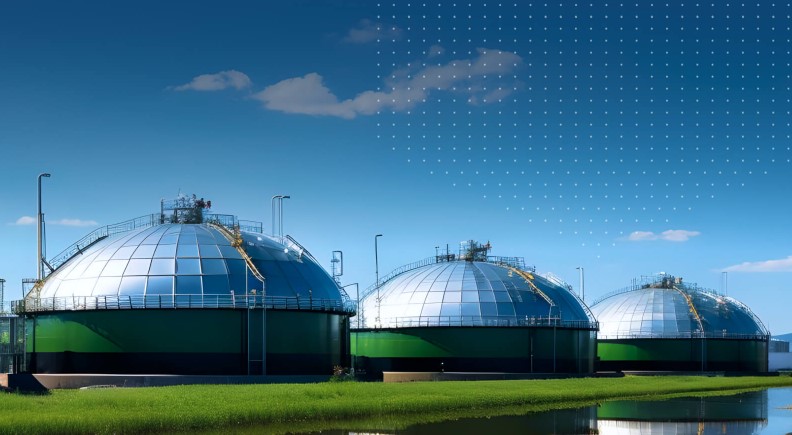
In a world increasingly focused on sustainability and renewable energy, biogas has emerged as a shining example of how waste can be transformed into a valuable resource. Produced from organic materials such as food scraps, animal manure, agricultural waste, and even wastewater, biogas renewable energy source that not only helps in waste management but also contributes to cleaner energy solutions for the future.
What is Biogas?
Biogas is a renewable fuel primarily composed of methane (CH₄) and carbon dioxide (CO₂), along with small traces of hydrogen sulfide (H₂S) and other gases. It is produced through a natural process called anaerobic digestion, where microorganisms break down organic matter in the absence of oxygen. This process mimics nature’s way of decomposing organic waste but in a controlled environment, such as a biogas plant or a biodigester.
The energy-rich methane in biogas makes it an excellent alternative to fossil fuels. It can be used for cooking, heating, electricity generation, and even as a vehicle fuel after purification.

The Biogas Production Process
- Feedstock Collection: Organic waste such as food scraps, crop residues, animal manure, and municipal waste is collected and fed into a digester.
- Anaerobic Digestion: The waste is processed in a sealed, oxygen-free container called a biodigester. Inside, bacteria break down the organic material, releasing biogas as a byproduct.
- Gas Collection and Purification: The biogas produced is collected, and impurities like carbon dioxide and hydrogen sulfide are removed to increase the methane concentration, making it suitable for various energy applications.
- Energy Use: The purified biogas can be used for cooking, heating, power generation, or further compressed into biomethane for use as vehicle fuel.
- Byproduct Utilization: The residual slurry left after biogas production is rich in nutrients and can be used as an organic fertilizer, enhancing agricultural productivity.
- Gas monitoring:Biogas analyzers, such as the OLGA2000 biogas online monitoring system uses advanced photoelectric sensing principles to detect and analyze methane (CH4), oxygen (O2), carbon dioxide (CO2), hydrogen sulfide (H2S) and other gases.

biogas online monitoring system OLGA2000
Key Benefits of Biogas as Renewable Energy
1. Waste Management
One of the most significant advantages of biogas is its ability to convert waste into a valuable resource. Organic waste that would otherwise end up in landfills, releasing harmful greenhouse gases like methane and carbon dioxide, is instead utilized to produce clean energy. This reduces environmental pollution and contributes to sustainable waste management practices.
2. Cleaner Energy Production
Unlike fossil fuels, biogas combustion produces far fewer emissions, making it a clean energy source. By replacing coal, oil, and natural gas with biogas, communities can significantly reduce their carbon footprint and mitigate the effects of climate change.
3. Energy Independence
Biogas can be produced locally from readily available organic waste materials, reducing reliance on imported fuels and enhancing energy security, particularly in rural and off-grid areas. Households, farms, and businesses can generate their own energy, promoting self-sufficiency.
4. Economic Benefits
- Cost Savings: Farmers and households can save money by using biogas for their energy needs instead of purchasing costly fossil fuels.
- Job Creation: The development and operation of biogas plants create jobs in construction, maintenance, and waste management.
5. Agricultural Advantages
The digestate, or the residue left after biogas production, serves as an excellent organic fertilizer. It improves soil health, reduces the need for chemical fertilizers, and enhances crop yields, contributing to sustainable farming practices.
6. Versatility in Applications
Biogas can be used in multiple ways:
- Cooking: Biogas stoves provide clean, smoke-free cooking solutions.
- Electricity Generation: Biogas generators produce electricity for households and industries.
- Transportation: After purification to biomethane, biogas can fuel vehicles, offering a renewable alternative to diesel and gasoline.
Challenges in Biogas Adoption
While biogas offers numerous advantages, its widespread adoption faces several challenges:
- High Initial Costs: Setting up biogas plants or biodigesters requires significant investment, which may not be affordable for everyone.
- Limited Awareness: In many regions, people are unaware of the potential benefits of biogas technology.
- Technical Expertise: Operating and maintaining biogas systems requires knowledge and technical expertise, which may not be readily available in rural areas.
Overcoming the Challenges
- Governments and organizations can provide subsidies, grants, and training programs to make biogas technology more accessible.
- Public awareness campaigns can highlight the economic and environmental benefits of biogas, encouraging more communities to adopt this renewable energy source.
Biogas represents a simple yet revolutionary concept: transforming what we discard into what we need. As the world embraces renewable energy, biogas stands out as a beacon of hope, offering clean, affordable, and sustainable power for generations to come.
 Manufacturer of biogas analyzer, landfill gas analyzer and extraction monitor, anaerobic digester gas analyzer