
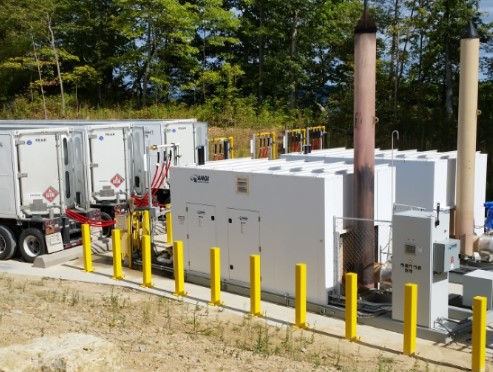
As the global demand for cleaner and more sustainable energy sources grows, the integration of biogas and natural gas presents a compelling opportunity for a dual fuel future. Biogas, derived from organic waste through anaerobic digestion, is a renewable and eco-friendly energy source. On the other hand, natural gas, a widely used fossil fuel, offers stability and an established infrastructure. By blending the two, we can achieve a balanced energy transition, leveraging existing systems while gradually increasing the use of renewable energy sources.
What is Biogas?
Biogas is produced through the anaerobic digestion of organic waste materials such as agricultural residues, food waste, livestock manure, and even sewage. The process breaks down the organic matter in the absence of oxygen, producing a gas mixture rich in methane (CH₄) and carbon dioxide (CO₂). Once purified to remove impurities, biogas becomes biomethane, which is chemically similar to natural gas.
Biogas is a renewable energy source, and its production has multiple benefits, such as:
- Reducing greenhouse gas emissions.
- Managing organic waste efficiently.
- Producing digestate, a byproduct that serves as a high-quality organic fertilizer.
Why Integrate Biogas with Natural Gas?
While natural gas is a reliable and widely used fuel, it is a finite resource that contributes to carbon emissions. Biogas, as a renewable alternative, offers a way to decarbonize the energy sector. Integrating biogas into the natural gas infrastructure provides several advantages:
1. Utilizing Existing Infrastructure
Biogas, once upgraded to biomethane, can be injected into existing natural gas pipelines without significant modifications. This allows for the seamless integration of renewable energy into the natural gas network, reducing the need for costly new infrastructure.
2. Decarbonizing Energy Systems
Blending biogas with natural gas helps lower the carbon intensity of the fuel mix. As the proportion of biogas increases, the overall greenhouse gas emissions from the system decrease, aiding in climate change mitigation.
3. Energy Security and Diversification
By combining biogas with natural gas, countries can reduce dependence on imported fossil fuels and enhance energy security. Local biogas production supports a decentralized energy system, making communities more resilient to energy supply disruptions.
4. Cost-Effective Transition
A gradual integration of biogas into the natural gas system offers a cost-effective way to transition to cleaner energy. Instead of replacing fossil fuels outright, the blending approach provides a practical path toward decarbonization while maintaining energy affordability.

Applications of Biogas-Natural Gas Integration
1. Transportation
Blending biomethane with compressed natural gas (CNG) creates a low-carbon fuel for vehicles. Known as Bio-CNG, this dual fuel solution is increasingly being adopted for buses, trucks, and other heavy-duty vehicles.
2. Heating and Cooking
In residential and commercial settings, biogas can be integrated into natural gas pipelines to provide a cleaner option for heating and cooking, reducing the carbon footprint of households.
3. Electricity Generation
Power plants running on natural gas can incorporate biogas to lower emissions. This hybrid approach supports the grid with reliable and cleaner energy.
4. Industrial Use
Industries that rely on natural gas for processes like manufacturing and chemical production can reduce their environmental impact by substituting a portion of their natural gas consumption with biogas.
Challenges of Biogas-Natural Gas Integration
While the integration of biogas with natural gas has immense potential, there are several challenges that need to be addressed:
1. Scaling Biogas Production
Biogas production is still limited compared to the vast supply of natural gas. Scaling up biogas plants and diversifying feedstocks are crucial for meeting the growing demand.
2. Upgrading Biogas to Biomethane
To integrate with natural gas, biogas must be upgraded to biomethane by removing impurities like CO₂, water, and hydrogen sulfide. The upgrading process requires advanced technology and significant investment.
3. Policy and Regulation
Supportive policies and clear regulations are essential for promoting biogas production and its integration into the natural gas system. Governments must establish frameworks for biogas incentives, subsidies, and carbon pricing.
4. Public Awareness
Educating consumers and businesses about the benefits of biogas-natural gas integration is critical for driving adoption. Awareness campaigns can highlight the environmental and economic advantages of this dual fuel approach.
By embracing this dual fuel solution, we not only make progress toward decarbonization but also demonstrate how innovation and collaboration can lead to sustainable energy systems that benefit both people and the planet.
 Manufacturer of biogas analyzer, landfill gas analyzer and extraction monitor, anaerobic digester gas analyzer