
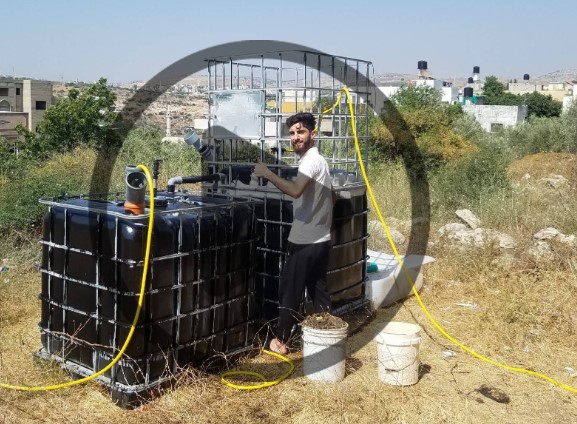
As the world moves toward a sustainable future, households are increasingly turning to renewable energy solutions to reduce reliance on fossil fuels, minimize waste, and cut down on energy costs. One such solution that has been gaining traction is the homemade biogas digester. These small-scale systems allow individuals to generate their own clean and renewable energy from organic waste, making them an excellent tool for empowering households and promoting environmentally friendly living.
What is a Biogas Digester?
A biogas digester is a system that converts organic waste, such as kitchen scraps, animal manure, and garden waste, into biogas through a process called anaerobic digestion. This biogas, which consists primarily of methane (CH₄) and carbon dioxide (CO₂), can be used as a renewable energy source for cooking, heating, or even generating electricity.
The byproduct of this process, called digestate, is a nutrient-rich organic fertilizer that can be used to enrich soil for gardening or farming. By recycling waste into energy and fertilizer, biogas digesters create a circular system that benefits both households and the environment.
How Does a Homemade Biogas Digester Work?
- 1. Feeding Organic Waste: Organic waste such as food scraps, manure, or agricultural residues is fed into the digester.
- 2. Anaerobic Digestion: Inside the digester, microorganisms break down the organic matter in an oxygen-free environment. This process releases biogas.
- 3. Gas Collection: The biogas is captured in a storage tank and can be piped to appliances like stoves, heaters, or generators.
- 4. Fertilizer Production: The leftover material, digestate, is extracted and can be used as a natural fertilizer.
Homemade digesters typically consist of a sealed container or tank, an inlet for waste input, and an outlet for gas and fertilizer output. Kits and DIY guides make it easy to create a system tailored to your household’s needs.

Benefits of Homemade Biogas Digesters
1. Environmental Benefits
Biogas digesters help reduce greenhouse gas emissions by capturing methane, which would otherwise escape into the atmosphere from decomposing organic waste. Additionally, they reduce the amount of waste sent to landfills, mitigating pollution and conserving landfill space.
2. Energy Savings
With a biogas digester, households can produce their own energy for cooking and heating, reducing reliance on expensive fossil fuels or grid electricity. This can lead to significant cost savings over time.
3. Waste Management
Biogas digesters provide an efficient way to manage organic waste, turning kitchen scraps, garden clippings, and animal manure into valuable resources. This not only helps keep your surroundings clean but also reduces the burden on municipal waste management systems.
4. Fertilizer for Gardening
The digestate produced as a byproduct is a rich organic fertilizer that can improve soil health and increase crop yields. This makes biogas digesters particularly beneficial for households with gardens or small-scale agricultural activities.
5. Energy Independence
Homemade digesters empower households to generate their own energy, reducing dependency on external sources. This is especially valuable in rural or remote areas with limited access to electricity or natural gas.
6. Educational Opportunities
Building and operating a biogas digester at home provides an opportunity to learn about renewable energy and waste management. It’s a great way to involve the entire family, particularly children, in sustainable practices.
Setting Up a Homemade Biogas Digester
Setting up a biogas digester at home may seem daunting, but with the right resources and planning, it’s a straightforward process. Here’s a step-by-step guide to get started:
1. Choose a Location: Find a suitable spot for your digester. It should be close to your waste source (like the kitchen) and have access to sunlight, which helps maintain the temperature inside the digester.
2. Select the Design: Decide on the type of digester that works best for your needs. Basic designs include floating-drum digesters, fixed-dome digesters, and polyethylene bag digesters.
3. Gather Materials: You’ll need materials like a sealed tank or drum, inlet and outlet pipes, and gas storage. Many low-cost kits are available online or at renewable energy stores.
4. Assemble the System: Follow a guide or manual to construct the digester. Ensure all joints are sealed properly to prevent gas leaks.
5. Start Feeding Waste: Once set up, begin adding organic waste to the digester. Avoid adding non-biodegradable items or toxic substances, as these can disrupt the digestion process.
6. Monitor and Maintain: Regularly check for leaks, remove any solid residues, and ensure the system is operating smoothly. Maintenance requirements are minimal but essential for long-term efficiency. Such as the GASCHEK1000 portable biogas analyzer, use advanced photoelectric sensing principles to detect and analyze methane (CH4), oxygen (O2), carbon dioxide (CO2), hydrogen sulfide (H2S) and other gases, and accurately report , while effectively checking the digestive process.
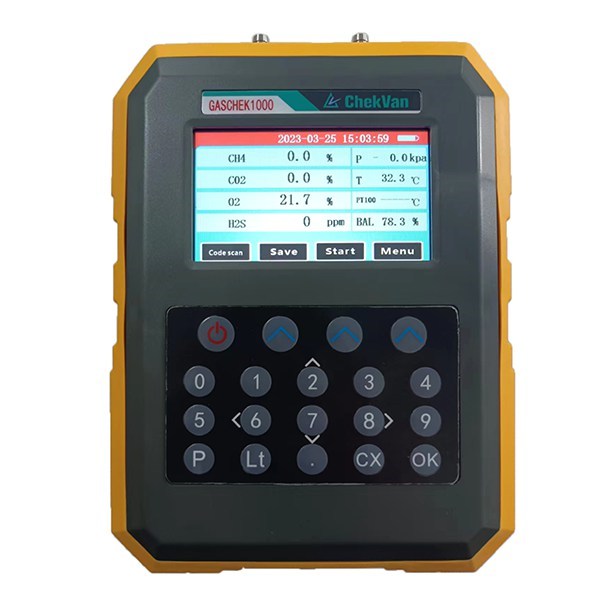
portable biogas analyzer GASCHEK1000
Conclusion
Homemade biogas digesters are an innovative, eco-friendly solution for households looking to reduce their environmental footprint, save money, and achieve energy independence. By turning organic waste into clean energy and fertilizer, these systems empower families to adopt a more sustainable way of living.
 Manufacturer of biogas analyzer, landfill gas analyzer and extraction monitor, anaerobic digester gas analyzer