
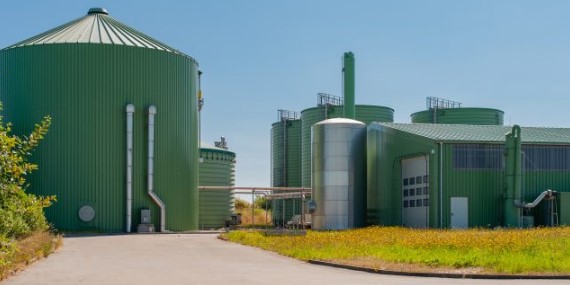
As the global demand for sustainable and efficient energy sources grows, the integration of Liquefied Natural Gas (LNG) and biogas emerges as a compelling solution. While LNG has become a dominant fuel for industries and transportation due to its energy density and clean-burning properties, biogas stands out as a renewable and environmentally friendly fuel derived from organic waste. Together, they offer a complementary approach that addresses energy security, environmental impact, and the transition toward a low-carbon future.
What is LNG?
Liquefied Natural Gas is natural gas that has been cooled to approximately -162°C (-260°F), transforming it into a liquid state. In this form, LNG is more energy-dense, making it easier to store and transport. It is commonly used in industries, power generation, and as a cleaner alternative to diesel in transportation.
Key Advantages of LNG:
- Produces fewer greenhouse gas emissions compared to coal and oil.
- Easily transportable over long distances in cryogenic tanks.
- Highly efficient and versatile for diverse applications.
What is Biogas?
Biogas is a renewable energy source produced from the anaerobic digestion of organic materials such as agricultural waste, food waste, and animal manure. It primarily consists of methane (CH₄) and carbon dioxide (CO₂) and can be purified into biomethane, which has similar properties to natural gas.
Key Advantages of Biogas:
- Carbon-neutral fuel: Methane emissions from organic waste are captured and reused.
- Reduces landfill waste and promotes circular waste management.
- Can be produced locally, reducing dependence on fossil fuels.
Why Integrate LNG and Biogas?
LNG and biogas, while distinct in origin, share many overlapping features that make their integration a powerful energy strategy. By blending biogas with LNG or using them in parallel systems, industries and governments can unlock a host of environmental and economic benefits.
1. Transitioning to Low-Carbon Energy
One of the greatest advantages of integrating LNG with biogas is the reduction of carbon emissions. While LNG is cleaner than coal or oil, it is still a fossil fuel. Biogas, on the other hand, is renewable and carbon-neutral. Mixing biogas with LNG, or replacing a portion of LNG with biogas, can significantly lower the carbon footprint of energy systems.
For example:
– Transportation: LNG-powered trucks and ships can use biomethane as a drop-in fuel, reducing emissions without requiring changes to existing infrastructure.
– Power Generation: Power plants running on LNG can gradually incorporate biomethane to decrease reliance on fossil fuels.
2. Enhancing Energy Security
Biogas offers the advantage of local production from readily available organic waste. By combining it with LNG, countries can reduce their reliance on imported fossil fuels, diversifying their energy mix. This dual approach strengthens energy security, particularly for regions with fluctuating LNG supply chains.
3. Improving Waste Management
Biogas production solves two problems at once: managing organic waste and creating renewable energy. By incorporating biogas into LNG systems, industries can leverage waste-to-energy processes, reducing landfill use, methane emissions, and environmental pollution.
For example:
– Agricultural residues, food processing waste, and animal manure can all be converted into biogas, which is then blended into LNG systems for cleaner energy output.
4. Leveraging Existing Infrastructure
One of the key benefits of integrating biogas with LNG is the ability to use existing infrastructure for storage, distribution, and utilization. Since biomethane is chemically similar to natural gas, it can be injected into LNG pipelines or liquefied for transport in LNG cryogenic tanks. This compatibility reduces the need for costly infrastructure upgrades, making the transition to renewable energy more affordable.
5. Scaling Up Renewable Energy Adoption
The global energy transition requires a pragmatic approach that balances economic feasibility and environmental responsibility. LNG provides the scalability and reliability needed for large-scale energy systems, while biogas offers a renewable, carbon-neutral option. Integrating the two allows for a gradual and realistic shift toward renewable energy without sacrificing performance or cost efficiency.

Applications of LNG and Biogas Integration
1. Transportation
The transportation sector, especially heavy-duty trucks and maritime shipping, has embraced LNG as a cleaner alternative to diesel. By blending LNG with biomethane, these industries can further reduce emissions while maintaining performance. Dual-fuel engines capable of using both LNG and biogas are increasingly becoming viable options for fleets.
2. Power Generation
Natural gas-fired power plants can transition to renewable energy by mixing LNG with biogas. This not only reduces emissions but also encourages the use of locally produced biogas, fostering energy independence.
3. Industrial Processes
Industries such as manufacturing, food processing, and chemical production rely heavily on natural gas. Integrating biomethane into these processes reduces reliance on fossil fuels and aligns industrial practices with sustainability goals.
Conclusion
Integrating LNG and biogas represents a bold yet practical step toward a cleaner energy landscape. This dual strategy not only addresses the growing demand for energy but also helps mitigate climate change, manage waste effectively, and foster economic growth. By investing in the development of biogas technologies and aligning policies to encourage their integration with LNG, we can accelerate the transition to a sustainable, low-carbon future.
 Manufacturer of biogas analyzer, landfill gas analyzer and extraction monitor, anaerobic digester gas analyzer