
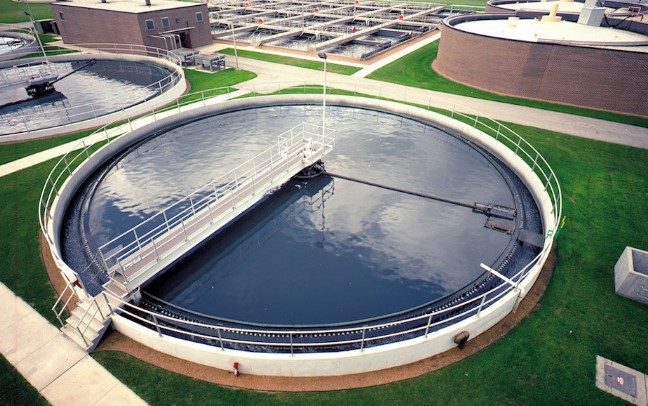
In the pursuit of clean, renewable energy, biogas is emerging as a transformative solution for sustainable energy production. Among the innovative advancements in this field is the Biogas 3000 system, a next-generation technology designed to optimize biogas production, monitoring, and utilization. By leveraging cutting-edge advancements, Biogas 3000 addresses the growing global demand for renewable energy while promoting environmental stewardship and economic benefits.
This article explores the role of Biogas 3000 in modern energy production, its unique features, and the significant benefits it brings to industries, communities, and the planet.
What is Biogas 3000?
Biogas 3000 is an advanced biogas monitoring and optimization system, developed to enhance the efficiency, safety, and scalability of biogas production. It is tailored for applications in agricultural, industrial, and municipal biogas plants, where it ensures precise monitoring of gas composition, quality, and flow. By providing real-time data and insights, the Biogas 3000 system helps plant operators maximize output while minimizing costs and environmental impact.
At its core, Biogas 3000 represents a shift toward smarter energy systems, leveraging technology to drive sustainable biogas production.
Features of Biogas 3000
1. Gas Composition Monitoring
Biogas 3000 provides accurate measurements of key gas components, such as methane (CH₄), carbon dioxide (CO₂), and hydrogen sulfide (H₂S). This allows operators to monitor gas quality and make real-time adjustments to optimize production.
2. Compact and Modular Design
Designed with flexibility in mind, the Biogas 3000 system is compact and modular, making it easy to install in various plant setups. Its user-friendly design ensures compatibility with both small-scale and large-scale biogas plants.
3. Durability and Safety
Built to withstand harsh conditions, Biogas 3000 is highly durable and equipped with safety features that protect both the equipment and the environment. These include corrosion-resistant materials and automated alarms for gas leaks or system malfunctions.
4. Remote Monitoring and Data Insights
The system supports remote monitoring, enabling operators to access data and control operations from anywhere. Real-time data analysis provides valuable insights for improving plant performance and ensuring compliance with regulatory standards.
5. Low Maintenance Requirements
With its efficient design and long-lasting components, Biogas 3000 requires minimal maintenance, reducing operational downtime and maintenance costs.
Benefits of Biogas 3000 in Energy Production
1. Enhanced Energy Efficiency
By providing accurate gas analysis and enabling precise adjustments, Biogas 3000 ensures that biogas plants operate at peak efficiency. This maximizes energy output and minimizes waste, ensuring optimal use of feedstock.
2. Environmental Sustainability
Biogas 3000 supports the production of clean, renewable energy, helping reduce reliance on fossil fuels and lower greenhouse gas emissions. Its ability to optimize gas quality also minimizes the release of harmful byproducts like hydrogen sulfide.
3. Cost Savings
Through real-time monitoring and efficient operations, Biogas 3000 reduces operational costs for plant operators. Its low maintenance design further contributes to significant cost savings over time.
4. Flexibility Across Sectors
Whether in agriculture, waste management, or industrial processes, Biogas 3000 adapts to diverse biogas production scenarios. Its versatility makes it a valuable tool for communities, businesses, and governments striving for energy independence.
5. Supporting Circular Economies
Biogas 3000 plays a key role in circular economies by enabling the conversion of organic waste into usable energy. This promotes sustainable waste management while generating economic value from previously discarded materials.
Applications of Biogas 3000
Biogas 3000 is transforming the renewable energy landscape with its diverse applications:
1. Agriculture
Biogas 3000 is ideal for farms and agricultural operations that process animal manure, crop residues, and other organic waste. By producing biogas, farms can generate renewable energy for on-site use or grid distribution, while also reducing methane emissions from decomposing waste.
2. Wastewater Treatment Plants
In wastewater treatment facilities, Biogas 3000 enables the efficient capture and utilization of biogas produced during sludge digestion. This energy can power plant operations, reducing reliance on external energy sources.
3. Municipal Waste Management
Biogas 3000 helps municipalities convert organic waste from households and businesses into clean energy. This supports sustainable waste management practices while contributing to local energy needs.
4. Industrial Applications
Industries that generate organic byproducts, such as food processing plants and breweries, can use Biogas 3000 to produce biogas from waste. This helps reduce waste disposal costs while generating renewable energy.
Conclusion
The Biogas 3000 system exemplifies how technological innovation can revolutionize renewable energy production. With its advanced features, practical applications, and transformative benefits, Biogas 3000 is not just a tool for biogas production—it’s a driving force for sustainability. As more communities and industries adopt this cutting-edge solution, the vision of a world powered by renewable energy becomes closer to reality. Biogas 3000 is more than just a system—it’s a step toward a brighter, cleaner, and more sustainable future.
 Manufacturer of biogas analyzer, landfill gas analyzer and extraction monitor, anaerobic digester gas analyzer